10 Proven Online Business Ideas to Make Money Online In 2026
A lot of people don't realize that making money online has never been more accessible than it is today.
With modern no-code software and social media, anyone can start building digital assets that generate income online. You no longer need investors, employees, expensive office space, or years of technical experience to build a sustainable and profitable business.
Some online businesses generate income quickly but require constant effort. Others take longer to build but can continue producing revenue for years. My favorite opportunities are the ones that create assets, content, audiences, software, products, and systems that compound over time.
Below are ten of the best online business ideas for creators, bloggers, entrepreneurs, and anyone looking to build income online in 2026.
1. SEO Blogs and Content Websites
If I were starting from scratch today, blogging would still be one of my first choices.
Social media platforms are great but content often disappears after a few days, blog posts can continue attracting visitors from Google for years. A single article can generate traffic, email subscribers, affiliate commissions, and product sales long after it's published.
Proven blogging niches include:
- Software comparisons and honest reviews
- Beginner guides for specific tools or platforms
- Creator economy breakdowns
- Personal finance and digital banking
- AI tool explanations and tutorials
- Niche lifestyle topics like wellness or fitness systems
- Job boards or career-focused content
- Monetization tools
For me and most bloggers, blogging is one of the best online businesses because it can support multiple income streams including affiliate marketing, sponsorships, newsletters, courses, consulting, and digital products.
If you're looking for a blogging platform, Ghost remains my favorite option because it combines blogging, newsletters, memberships, and SEO features in one streamlined platform.
Read: What Is a Blog and How to Start a Blog.
Ghost is the platform I personally use and recommend. Built for independent bloggers, it comes with everything you need and nothing you don't.
2. Niche Newsletter Businesses
Newsletter businesses are very interesting because they sit between content and product. They’re not social media posts, they’re not blogs, they’re a direct line to people who chose to hear from you.
And newsletters are not dead or a waste of time. The mistake you would make is starting too broad or having a mindset that it’s just something very easy. It requires thinking, observing, curating and writing clearly enough that someone else feels like they gained something from your perspective.
I personally subscribe to a lot of newsletters, free and paid and I enjoy every read and will keep subscribing to more as long as I find them valuable.
Don’t immediately think of categories like “business” or “lifestyle,” the real opportunity is in specificity. Smaller newsletters sometimes make more money than large ones to be for real.
Some proven niche directions include:
- Indie startup case studies
- Celebrity fandom communities
- Women’s wellness and fitness
- Affordable business tools
- Creator economy news
- Local business opportunities
- Blogging and SEO discoveries
- Digital products and passive income
- Remote work and freelancing
- Introvert productivity
To be clear on one thing, if you choose to start a newsletter business do not start on Substack. If it's a hobby project, then fine you can make use of Substack but as long as you want to build a real business for yourself, I’d advise you make use of Beehiiv, Kit or Ghost. I’m saying this because I regretted this and you most likely would.
Beehiiv is the most powerful in terms of growth and monetization features. Kit dominates in terms of how generous its free plan is, you get to send unlimited number of emails to 10,000 subscribers max.
Beehiiv also has a free plan that support 2,500 subscribers, unlimited email sends and you can run up to three publications. Both Beehiiv and Kit lets you connect your custom domain on their free plans.
Ghost Pro on the other hand is very powerful, and it gives you full ownership. It doesn't have a free plan, but they offer a 14-day trial for you to fully test the platform. I’ve personally made use of the three platform (I’ve made use of Substack too) and all I can say is they are incredible.
Final Note on Newsletters: Newsletter need funnels and the best medium is through Blogs, YouTube and Instagram. If you make use of Beehiiv or Ghost, the blog aspect is already covered because those two platforms offer search engine optimized blogs with Ghost having the most search engine optimization features.
Stay consistent and you will reap bountifully. Also make sure to take advantage of free AI tools like Claude to help you out with brainstorming.
3. Digital Product Stores
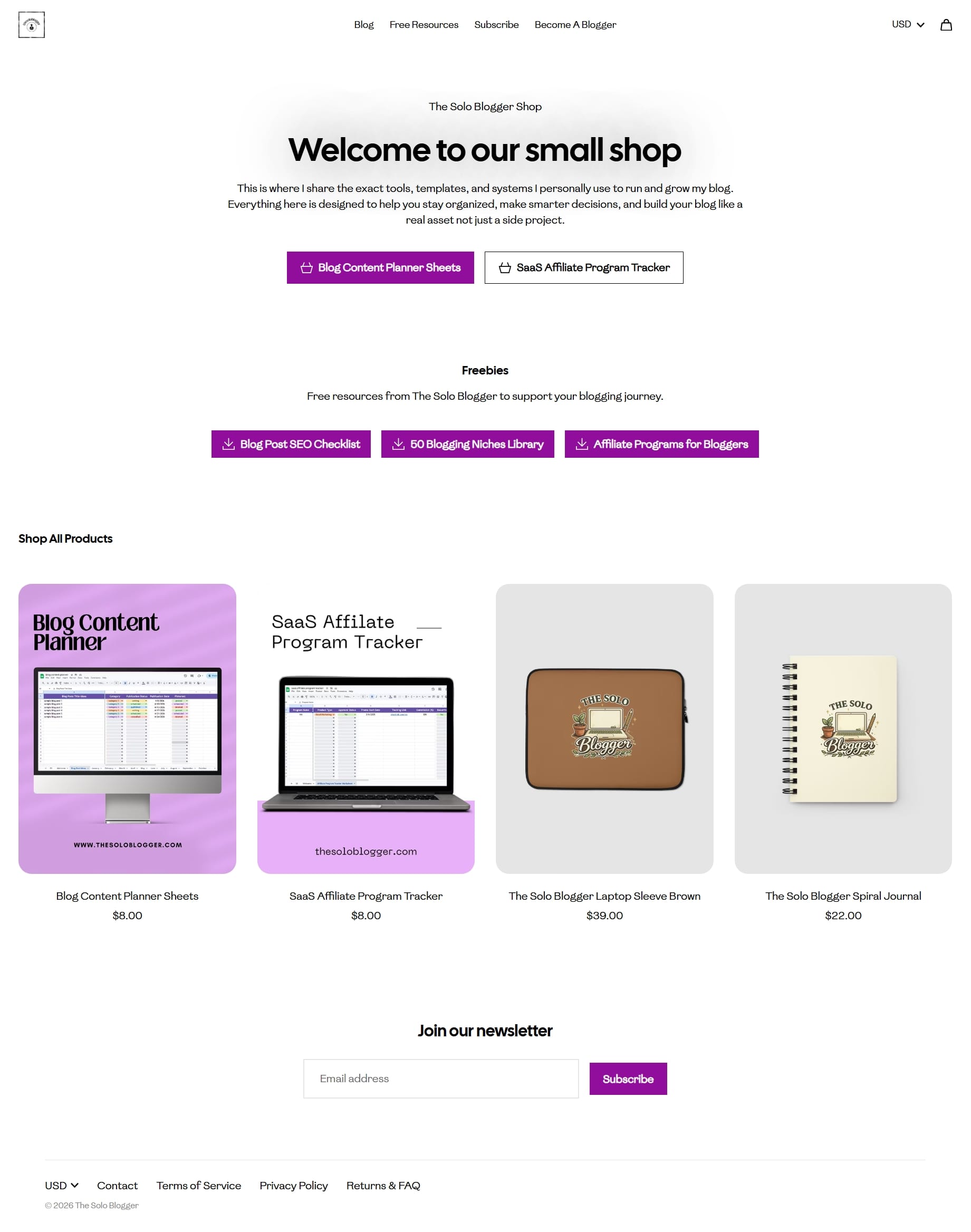
This one is getting really popular among creators and it's a good thing.
Digital products are one of the clearest examples of leveraged work online. You create something once, and it continues to sell without any additional effort beyond distribution.
One thing to clearly note is that digital products are not so easy to sell like most online gurus claim just because they want to sell you a course.
It's hard especially when you sell generic, too popular, boring or irrelevant products with very few interests. The real difference between successful and unsuccessful digital products isn’t format, it’s specificity.
Where there is high demand, there is high profit and so also high competitions. Yours would need to differ in real value and if you don’t have that you will sink.
Great ideas to look at:
- A sponsorship outreach system for small newsletters.
- A content calendar designed specifically for solo creators.
- A pricing calculator for freelance designers.
- A “first 30 days as a blogger” launch system.
- A Notion-based business tracker for side hustlers.
- Influencer outreach database
I like Sellfy for this model because it keeps the process very simple. You can sell ebooks, templates, guides, memberships, courses, downloads and even merchandise. You also get growth features like email marketing, affiliate marketing, upsells, cart abandonment and more without needing a complicated ecommerce setup.
Note that you would still need to promote your products on Pinterest, Threads, Reddit, YouTube, Instagram, Medium and any other channel you know that could work.
You don’t have to start on all platforms at once because it would overwhelm you and don’t forget to use AI tools help you to hefty tasks. You can also consider social media scheduler tools like Tailwind.
When done properly, one useful product can keep earning long after you create it.
4. Faceless YouTube Channels
YouTube is often misunderstood as a personality-driven platform. While that’s true for some creators, it isn't for all.
There’s a large and growing category of channels that never show a face at all. The value comes from structure, narration, editing, and topic selection rather than personal visibility.
These faceless channels behave more like media products than personal brands.
Some strong directions include:
- Documentary-style startup stories
- Breakdowns of failed and successful businesses
- Internet culture and trend analysis
- Sports or entertainment histories
- Finance explainers and money psychology
- AI tools and software tutorials
- Book summaries and idea breakdowns
- Crime and investigative narratives
- Children stories
- Celebrities fancams
The interesting part is that these channels often scale faster than expected because they are easier to replicate in structure once you find a format that works. If you make use of AI tools you get things done 20x faster.
While the rumors about AI generated videos not been monetized on YouTube, it's not actually entirely true. YouTube does not monetize channels with low-value content. So long as your video uses human crafted scripting, good video editing and good commentary, you will get monetized.
Even if you don’t end up making money from YouTube ads, you can use your content as a funnel to a paid newsletter teaching how to create AI-generated videos, affiliate products, your digital products or even get sponsorship from an AI company.
Tools like InVideo AI and Renderforest are perfect for creating AI animated videos (text-to-video, image-to-video and more). If you want high-quality stock videos, Vanilla Gallery is a great library for that.
One tool also worth exploring is VidIQ. It helps creators discover content opportunities, research keywords, analyze competitors, and identify topics that are more likely to gain traction on YouTube.
For many creators, YouTube becomes a powerful traffic source that feeds newsletters, blogs, affiliate offers, and digital products.
5. Directory Websites
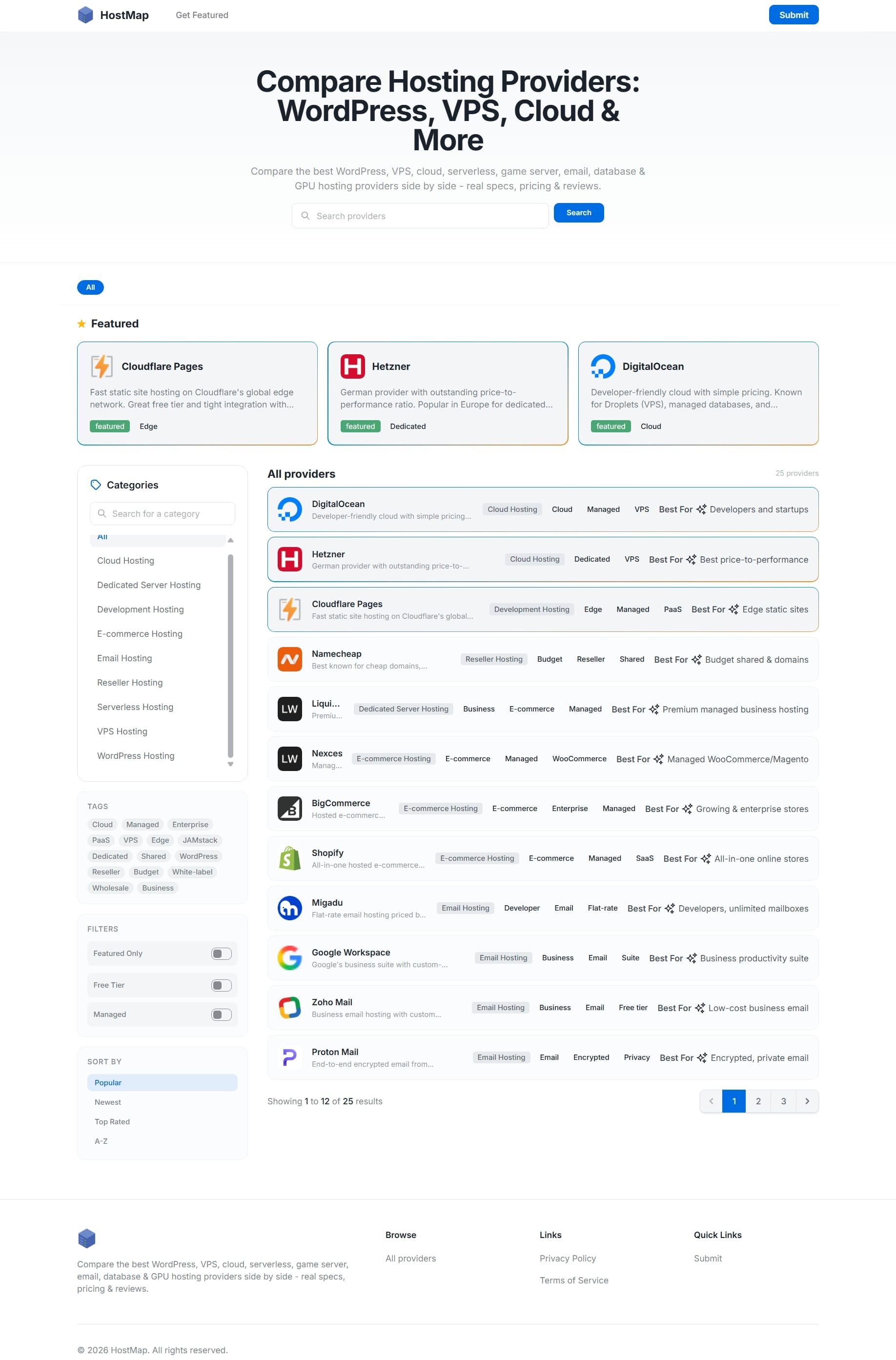
Directories are hidden and not often talked about goldmines. Their value comes from organization.
The internet is overflowing with tools, communities, and resources. What people struggle with is not access, it’s clarity.
A good directory should be clear, save time, easy to navigate, search engine optimized and allow submission (free or paid). Your directory should always be fast, and you should have good branding colors.
Some proven directory ideas include:
- AI tools categorized by use case
- Creator monetization platforms
- Affiliate programs and networks
- Remote work opportunities by niche
- Startup tools and SaaS discovery
- Niche communities and forums
- Scholarships and education resources
- Wellness and mental health tools
- Local business discovery hubs
- Women-led brands and platforms
You might be wondering, how do I create one? Well, there are so many directory website builders and among them are the two best are:
They make it very easy to build structured and beautiful directories without heavy technical work or knowing how to code.
My recommendation
I've personally made use of the two platforms, and I can confidently say Directify beats DirectoryEasy.
It's much easier to use, provides better directory features and has a longer list of beautiful directory templates for you to use. DirectoryEasy has only one template.
You may choose DirectoryEasy because of their lifetime plan which is also okay.
Directories can earn through:
- Paid listings
- Sponsorships
- Memberships
- Ads
- Affiliate income
- Selling your own products
Directories rewards structure, categorization, and long-term thinking.
6. Affiliate Websites
Affiliate websites are often misunderstood because people associate them with aggressive selling or spammy tactics. But the better version is closer to editorial curation.
You’re not pushing products. You’re helping people decide between options. That requires judgment more than persuasion.
Some proven niches include:
- SaaS tools for creators
- Website builders
- Productivity systems
- Skincare and wellness products
- Gaming setups and accessories
- Education platforms and courses
- AI tools and software ecosystems
- Home office setups
- Finance tools and apps
Tool like UseArticle can help affiliate marketers create AI-automated affiliate websites with comparison posts, software recommendations, alternatives articles, review-driven content more efficiently and more.
The biggest advantage of affiliate websites is that they can generate revenue without managing inventory, customer support, or fulfillment.
7. Research and Intelligence Services
This is one of the least visible but most practical business models. Companies constantly need information, but they rarely have time to gather it properly. That gap creates opportunity.
If you naturally enjoy digging, comparing, and organizing information, this can become a serious business.
Examples:
- Competitor research
- Creator databases
- Sponsorship research
- Software comparisons
- Startup market scans
- Outreach lead research
- YouTube creator lists
- Newsletter sponsor research
- Partnership intelligence
Interesting niches:
- SaaS companies
- Crypto research
- Creator economy
- Influencer discovery
- Ecommerce brands
- Affiliate partnerships
8. Print-on-Demand Businesses
Print-on-demand only works when it stops being treated like a “get rich quick” model. The successful version is not random generic T-shirt printing.
People don’t buy products because they need them. They buy them because they signal something about who they are.
Some proven niche directions include:
- Fandom communities
- Anime and gaming culture
- Introvert humor and lifestyle
- Fitness identity groups
- Women empowerment themes
- Nostalgic pop culture references
- Regional pride and identity
- Aesthetic-driven communities
Three platforms worth considering:
- Printify: Handles production and fulfillment.
- Shopify: Best if you want your own brand and storefront.
- Etsy: Still powerful because marketplace traffic already exists.
Each tool serves different stages of the business, from production to storefront to marketplace discovery.
9. Micro SaaS Businesses
Micro SaaS is one of the most misunderstood categories in online business. Everyone imagines large startups. I want you to think of small software solving specific problems.
Examples include:
- Niche calculators
- Content planning tools
- Affiliate tracking systems
- Pricing generators
- Creator dashboards
- Small automation tools
- Workflow simplifiers
Thanks to AI coding tools and no-code platforms, building micro software's is far more accessible than it was a few years ago.
Platforms like Zite, Blink, and Base44 lower the barrier to entry significantly, especially for early-stage experimentation.
What I like about Micro SaaS businesses is the mindset. You build once, improve continuously and solve real problems. For anyone who enjoy systems and product thinking, this can be deeply satisfying and profitable.
Even simple products can generate meaningful recurring revenue when they solve genuine problems.
10. Website Flipping
Think of this as digital real estate. You buy or build websites, improve them, then sell.
A lot of people do this full time. Not because they enjoy selling, but because they enjoy improving things.
Read success stories.
Proven niches:
- Finance blogs
- Sports sites
- Software review websites
- Directories
- Affiliate sites
- Travel content
- Education websites
- Women’s lifestyle blogs
Flippa remains one of the best-known marketplaces for this.
People do buy websites, newsletters, ecommerce stores, SaaS products and domains. Flipping teaches useful skills such as:
- SEO
- Monetization
- Content
- Audience building
- Valuation
In this business model, you are working on systems, not audiences.
To Round Up
To make the most money, you can choose two or three business ideas form the list to start as long as you are willing to put in the effort.
Here's a breakdown:
- You pick a topic to blog about and of course your blog would have a newsletter (free and/or paid).
- You created a digital product that would be useful to your audience, and you also promote affiliate products aligned with your audience goal.
- You can decide to screen record and document your journey and share it on YouTube.
- As you grow, you can launch your print-on-demand store, selling your merchandise to your loyal fans and create a directory full of tools that would help your audience and eventually attract more audience and more revenue.
I believe the internet rewards people who build useful assets, create helpful content, and consistently solve problems for others. Whether you're starting a blog, launching a newsletter, building software, or selling digital products, focus on creating something valuable and give it enough time to compound.