Best WordPress Alternatives
WordPress isn't the only way to start a blog. Explore six alternatives that make publishing easier, from dedicated blogging platforms to newsletter tools and no-code website builders.
WordPress is one of the most flexible platforms for blogging, but it isn't the right fit for everyone. Managing hosting, updates, plugins, themes, and website maintenance can feel like unnecessary work when all you want to do is publish articles.
Fortunately, there are other blogging platforms that make it easier to start and manage a blog without handling as many technical details yourself.
Whether you want a minimalist writing platform, a blog with a built-in newsletter, or a website builder that lets you publish articles alongside your main website, here are six WordPress alternatives worth considering.
1. Ghost

Best for: Independent bloggers, writers, and online publications
Ghost is one of my favorite alternatives to WordPress for bloggers who want a clean publishing experience without relying on a collection of plugins.
It's an open-source publishing platform designed for writers and independent publishers. You can use it to build a traditional blog, an online publication, or a content business supported by email newsletters and paid memberships.
One of Ghost's biggest advantages is that blogging and email newsletters are built into the platform. You can publish articles on your website and deliver them directly to your subscribers without managing a separate newsletter service.
Ghost also supports custom themes, SEO settings, and paid subscriptions, making it a good choice if you want to grow your blog into a business.
You can host Ghost yourself for greater control or pay for Ghost(Pro) to have the platform managed for you.
The main drawback is that Ghost is more focused on publishing than general website building. If you need a highly customized website with a wide variety of plugins and integrations, WordPress offers more flexibility.
Choose Ghost if you want a dedicated blogging platform that combines website publishing, newsletters, and membership features in one place.
2. Beehiiv
Best for: Bloggers who want to grow an email newsletter
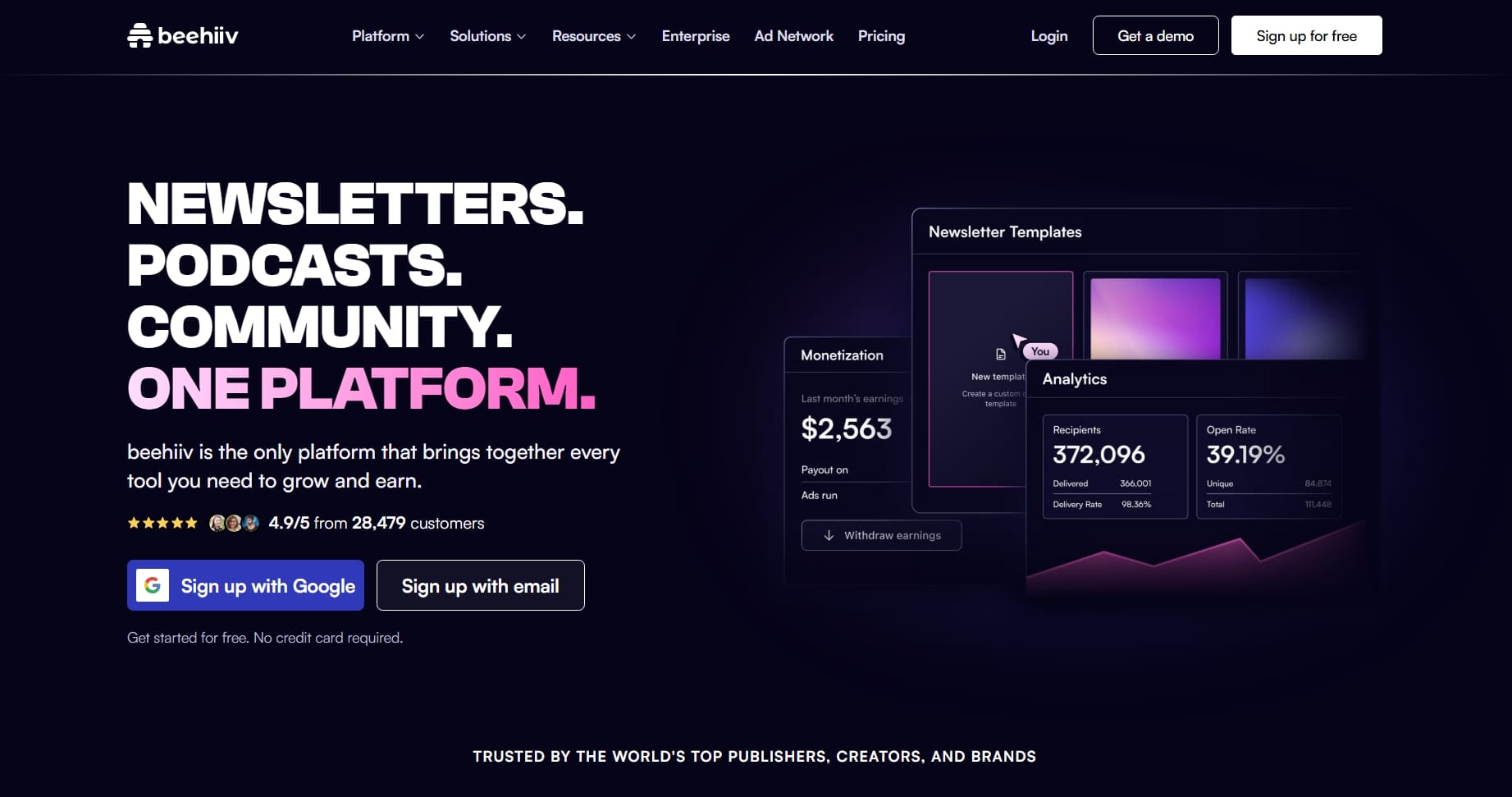
If building an email audience is just as important to you as publishing articles, Beehiiv is worth considering.
Beehiiv is primarily a newsletter publishing platform, but it also includes a website builder that lets you publish content on your own website. This makes it possible to combine a blog and an email newsletter without managing separate publishing systems.
You can publish content on your website, send newsletter editions to subscribers, and use built-in audience growth tools to help more people discover your work.
Beehiiv also offers monetization features, including paid subscriptions, digital products, communities and advertising opportunities on paid plans. These features can be useful if you want to turn your content into a source of income.
Unlike WordPress, where you may need separate plugins and email marketing services to build a similar setup, Beehiiv brings many of these tools together.
However, Beehiiv is more newsletter-focused than a traditional blogging platform. If your main goal is to build a content-heavy blog around search traffic, with extensive control over your website's structure and design, you may prefer Ghost.
Choose beehiiv if you want to build an audience through email and publish articles on a website without piecing together several different tools.
You'll get 14-day free trial plus save 20% of your first three months with my partner link.
3. Feather
Best for: Bloggers who prefer writing in Notion
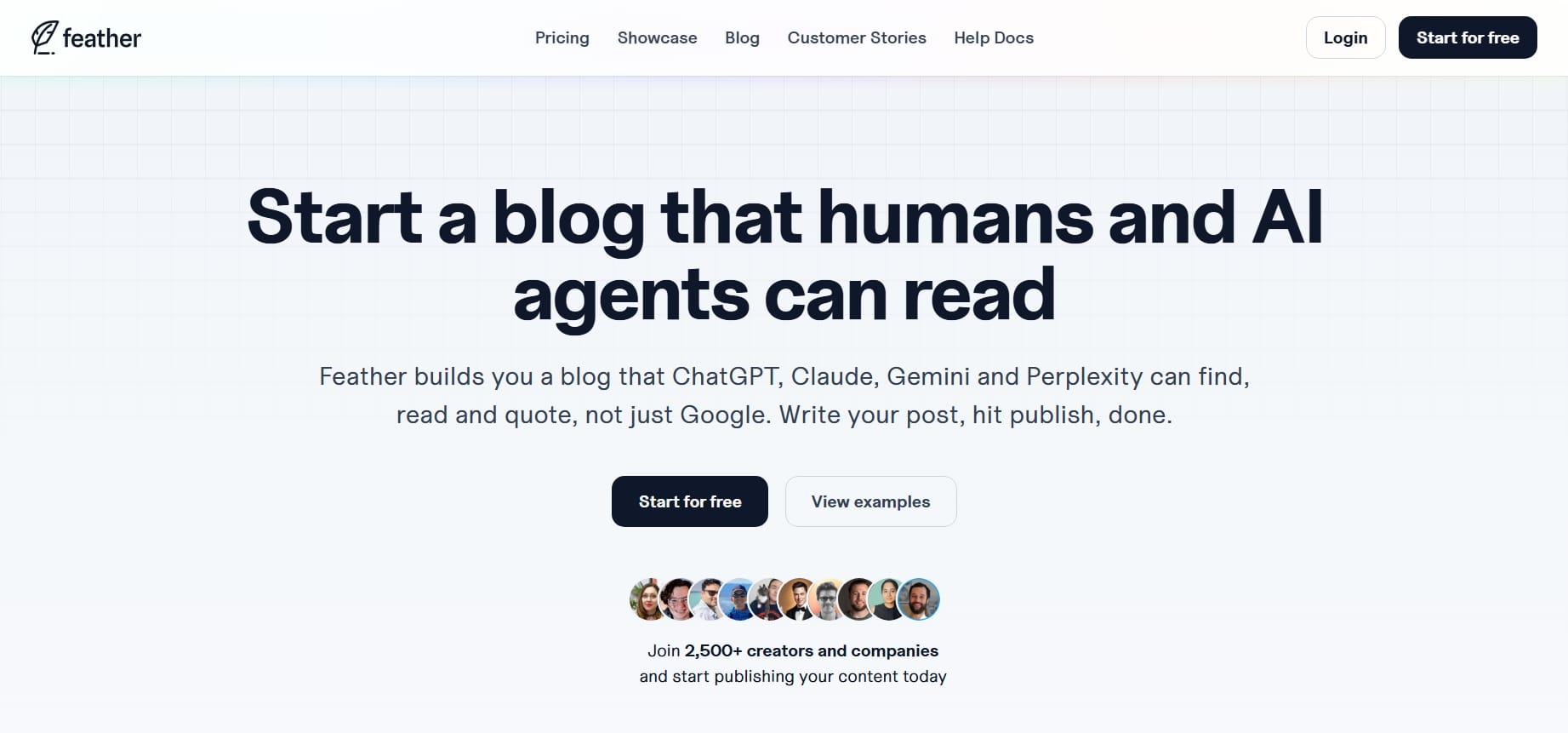
Feather is a blogging platform worth considering if you enjoy using Notion editor.
Instead of writing directly inside a traditional content management system, you can use Notion as your content management system and let Feather publish your pages as articles on your blog.
This makes the writing process feel familiar, especially if you prefer Notion's editor to a more traditional blogging dashboard.
Feather also provides features designed for publishing, including custom domains, SEO settings, sitemaps, RSS feeds, analytics, and customizable blog designs. You can organize your articles with tags and related posts, and collect email subscribers from your website.
Another advantage is that you don't have to manage WordPress plugins, hosting configurations, or routine CMS maintenance.
However, Feather's Notion-based workflow is also its main limitation. If you don't use Notion or want to manage your content entirely within your blogging platform, another option may be a better fit.
The pro side of Feather is, you can run as many blog as you want on one account and plan without any limitations. You'll only pay extra as your web traffic spikes.
Choose Feather if you want a simple, SEO-focused blog and prefer writing and organizing your content in Notion.
4. Hyvor Blogs
Best for: Bloggers who want a simple, dedicated publishing platform
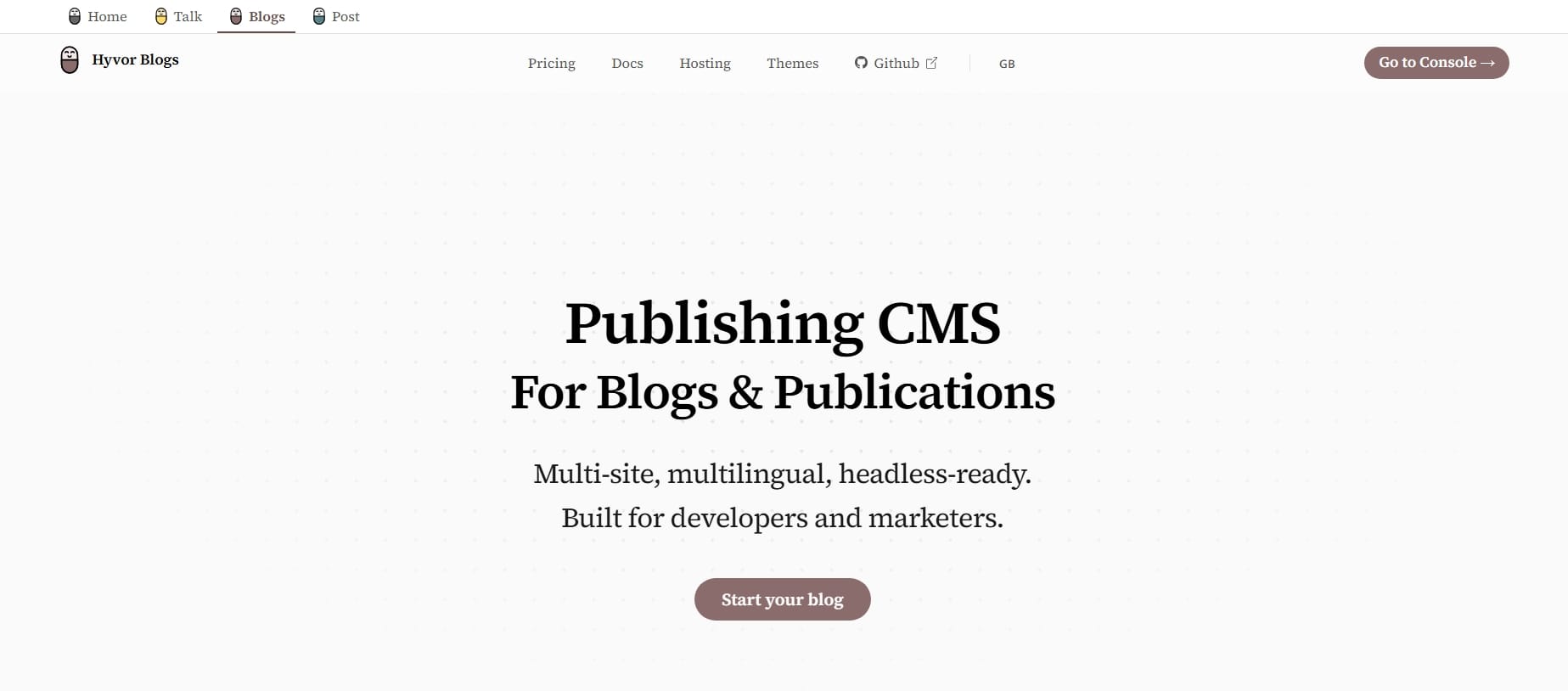
Hyvor Blogs is an alternative to WordPress for people who want to focus on publishing without managing a complicated website.
It provides a dedicated environment for writing and organizing blog posts, with features such as custom domains, themes, SEO tools, multiple authors, and multilingual publishing.
Unlike WordPress, you don't need to search for plugins to add many of the features a typical blog needs. Hyvor Blogs includes built-in tools for comments and newsletters through its Hyvor Talk and Hyvor Post services.
You can also customize your blog's appearance, use your own domain, and export your content if you decide to move to another platform later.
Another interesting feature is that Hyvor Blogs is open-source and can be self-hosted for free if you're comfortable managing your own server. Alternatively, you can use its hosted service without taking on that technical responsibility.
The trade-off is that Hyvor Blogs is focused on blogging rather than being a general-purpose website builder. If you want to build a complex website with many different types of pages and third-party extensions, WordPress may be more suitable.
Choose Hyvor Blogs if you want a straightforward blogging platform with built-in publishing, SEO, comments, and newsletter features.
5. Dorik
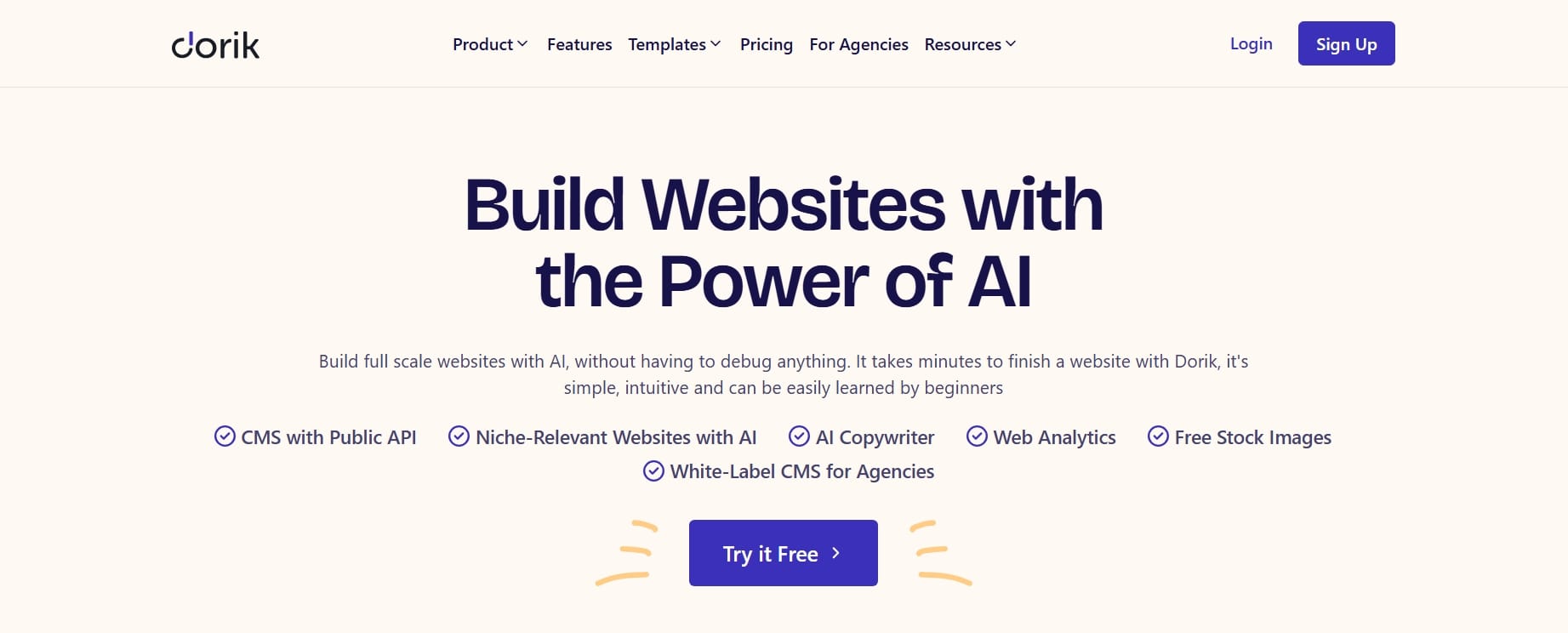
Dorik is a no-code website builder with a built-in content management system and blogging functionality.
Unlike platforms that focus primarily on writing and publishing, Dorik lets you build a broader website around your blog. You can create landing pages, service pages, portfolios, and other website sections alongside your articles.
Its visual website builder makes it possible to customize your site's layout without writing code. The CMS includes blog management tools, post formatting, categories, and SEO-related settings.
Dorik also supports features such as memberships and custom collections, making it useful if your website needs more than a simple list of blog posts.
This can be particularly appealing to freelancers, creators, and small business owners who want their blog to support a larger online presence.
The trade-off is that Dorik isn't as focused exclusively on publishing as Ghost or Hyvor Blogs. And if you eventually need a highly specialized website with extensive third-party integrations, WordPress's larger ecosystem may be more suitable.
Choose Dorik if you want to build a complete website with a blog without dealing with traditional WordPress hosting and plugin management.
Dorik is a no-code WordPress alternative that lets bloggers build modern websites with drag-and-drop tools, templates, and built-in hosting for a fast and easy setup.
6. Quotion
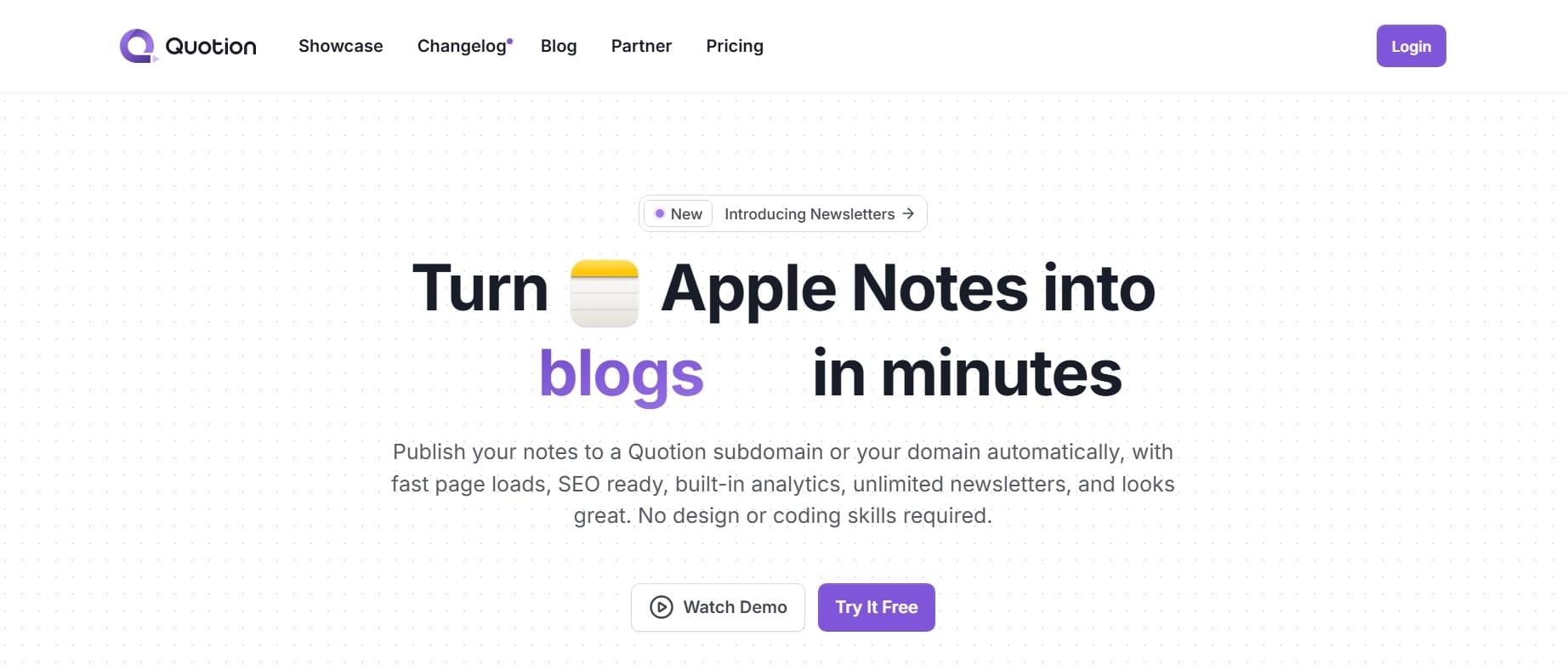
Best for: Apple Notes users who want to publish a blog
Quotion offers a different approach to blogging by letting you turn your Apple Notes into a published website.
Instead of drafting articles in a traditional CMS, you can continue writing in Apple Notes and connect a shared notes folder to Quotion. Your notes can then be published on your blog, with changes syncing automatically.
This makes Quotion an interesting option if you prefer writing in a familiar notes app and don't want to manage a separate content management system.
The platform includes features such as custom domains, SEO settings, website analytics, RSS feeds, newsletters, and design customization. It also supports comments and other publishing features on applicable plans.
Quotion takes care of much of the technical work involved in turning your writing into a website, leaving you free to concentrate on creating content.
The main consideration is that Quotion is built around an Apple Notes-based workflow. If you prefer writing directly in a full-featured blog editor or need a more general-purpose CMS, another platform may be a better choice.
Choose Quotion if you use Apple Notes regularly and want to turn your existing notes and writing into a blog with minimal setup.