Learn All About Affiliate Marketing as a Blogger

Grow your blog smarter with a collection of free premium resources created for serious bloggers and creators.
Affiliate marketing is literally the goldmine of many successful blogs. The concept is very simple: you recommend products, tools, or services that genuinely help your readers, and when someone makes a purchase through your recommendation, you earn a commission.
Unlike display advertising, where you need thousands of visitors to generate meaningful revenue which could be cut down when your visitors use ad blockers, affiliate marketing allows bloggers to monetize trust. A single recommendation can sometimes earn more than hundreds of ad impressions, which is why so many full-time bloggers rely on affiliate income as one of their primary revenue streams.
What makes affiliate marketing particularly attractive is that it creates a win-win situation for everyone involved. Readers discover useful products, companies acquire new customers, and bloggers are rewarded for introducing solutions that solve real problems.
Take The Solo Blogger as an example. I write about starting, growing and monetizing a blog, my readers will naturally need web hosting, email marketing software, SEO tools, content writing tools, analytics platforms, and monetization solutions. Instead of simply mentioning these resources, affiliate marketing allows me to earn a commission whenever my recommendations help someone take action.
However, successful affiliate marketing goes far beyond placing links throughout your articles. The bloggers who generate consistent affiliate revenue understand their audience deeply, create helpful content, build trust over time, and recommend products that genuinely improve their readers' lives or businesses.
In this guide, you'll learn exactly how affiliate marketing works, how to choose the right affiliate programs, the types of content that convert best, how to manage and track your affiliate partnerships, and how to build an affiliate marketing system that can become a significant source of income for your blog.
What Is Affiliate Marketing?
Affiliate marketing is a performance-based marketing model where companies pay commissions to individuals who refer customers to their products or services.
In simple terms, you become a partner for a company. The company gives you a unique tracking link. When someone clicks that link and completes a qualifying action (usually a purchase) you receive a commission.
The process involves four key participants:
The Merchant
The merchant is the company selling a product or service. This could be a web hosting company, email marketing platform, blogging software provider, online course creator, or ecommerce brand.
The Affiliate
The affiliate is you, the blogger.
Your role is to introduce products to people who may benefit from them. You do this through blog posts, reviews, tutorials, email newsletters, resource pages, and other forms of content.
The Customer
The customer is your reader.
They discover your content, learn about a product, and decide whether it's the right solution for their needs.
The Tracking System
Affiliate programs use tracking technology, usually through cookies and unique referral links, to identify which affiliate referred the customer.
Without tracking, companies wouldn't know who should receive the commission. Popular affiliate management software's include: Partnerstack, Dub and Impact.
Why Affiliate Marketing Is So Popular Among Bloggers
There are many ways to monetize a blog, including advertising, sponsorships, memberships, consulting, and selling products. Yet affiliate marketing remains one of the most popular choices among bloggers for several reasons.
- First, you don't need to create your own product. Building a course, writing an ebook, or developing software requires significant effort and maintenance. Affiliate marketing allows you to generate revenue by promoting products that already exist.
- Second, there is no inventory to manage. You don't need to handle customer support, shipping, refunds, or product updates.
- Third, affiliate content can continue generating income long after it's published. A helpful review or tutorial can attract visitors from search engines for years, creating opportunities to earn commissions repeatedly from a single article.
Most importantly, affiliate marketing scales exceptionally well. Whether your blog receives one thousand visitors per month or one million, the fundamental process remains the same.
How Affiliate Marketing Actually Works
For example: A reader lands on my blog after searching for information online. Perhaps they're looking for the best blogging platform, the best email marketing software, or the right SEO tool for their website.
They read my content and discover a recommendation that aligns with their needs. When they click my affiliate link, a tracking cookie is stored in their browser. If they later purchase the product within the cookie period (mostly 30 days to 90 days), the affiliate platform records the sale and attributes it to my account.
After a specified waiting period, usually to account for refunds, the company pays me a commission. The entire process often happens behind the scenes without requiring any additional work from you after the content is published.
This is one of the reasons affiliate marketing is often considered one of the most scalable blogging business models available.
Choosing the Right Affiliate Programs for Your Blog
One of the biggest mistakes new bloggers make is joining every affiliate program they can find. I'm also guilty for that mistake when I started my first blog.
At first glance, it seems logical. More affiliate programs should mean more earning opportunities, right? Not necessarily.
A blogger who recommends three highly relevant tools will often outperform another blogger promoting fifty random products.
When evaluating an affiliate program, start by asking yourself a simple question:
Would I recommend this product even if there were no commission attached? If the answer is no, it's probably not a good fit.
The strongest affiliate recommendations come from genuine experience and confidence in the product. Readers can usually tell the difference between a thoughtful recommendation and a sales pitch.
I recommend Ghost for blogging because to me it's actually the best blogging platform and it's what I personally use. I recommend Beehiiv too because it's a great platform and I've personally made use of it and launch a blog on Beehiiv. And so many other of my recommendations.
Look for Audience Alignment
Your affiliate offers should naturally fit the goals of your readers. For example, my blogging audience will be interested in:
- Blogging platforms
- Web hosting
- SEO software
- Email marketing tools
- Analytics platforms
- Link management tools
- AI writing software
- Course creation platforms
Promoting products that solve immediate problems generally leads to higher conversions because the recommendation feels helpful rather than forced.
Don't Chase Commission Rates Alone
A product offering a 50% commission sounds attractive until you discover that nobody wants to buy it. Meanwhile, a product with a lower commission may convert exceptionally well because people genuinely need it.
The best affiliate programs balance:
- Product quality
- Market demand
- Brand reputation
- Customer satisfaction
- Fair commission structures
Consider Recurring Commissions
Some affiliate programs pay once. Others pay monthly for 12 months and lifetime commissions. These recurring commissions can become incredibly powerful over time.
Imagine recommending a software tool that pays $20 per month per referral. Ten active referrals might generate $200 monthly. One hundred active referrals could generate $2,000 monthly.
Without publishing any additional content. This is one reason many bloggers actively seek out SaaS affiliate programs.
The Types of Content That Generate Affiliate Revenue
Product Reviews
Reviews remain one of the most popular affiliate content formats. People searching for reviews are often close to making a purchase decision, making them highly valuable visitors.
A strong review should cover:
- Features
- Benefits
- Pricing
- Pros and cons
- Use cases
- Alternatives
- Personal experiences
The goal isn't to convince someone to buy. The goal is to help them make an informed decision.
Comparison Articles
Comparison articles perform exceptionally well because they target readers who are already evaluating solutions.
Examples include:
- Ghost vs WordPress
- Beehiiv vs Substack
- Shopify vs WooCommerce
- ConvertKit vs Beehiiv
These readers have already identified their problem. They're simply trying to determine which solution fits best.
Tutorials and Guides
Tutorial content often converts surprisingly well.
For example:
- How to Start a Blog
- How to Build an Email List
- How to Improve Blog SEO
- How to Launch a Newsletter
As you walk readers through a process, you naturally introduce the tools that help accomplish each step. This creates context around your recommendations.
Resource/Recommendation Pages
Resource or recommendation pages are among the most underrated affiliate assets. These pages contain the tools, software, services, and resources you personally recommend.
Many successful bloggers maintain a dedicated resources page because visitors actively seek out trusted recommendations.
Alternatives Articles
A lot of people frequently search for alternatives when a tool becomes too expensive, lacks a feature, or no longer fits their needs.
Examples include:
Alternative-focused content often attracts readers with strong commercial intent.
Building Trust Before You Build Revenue
Affiliate marketing ultimately depends on trust.
- Without trust, people won't click.
- Without trust, people won't buy.
- And without trust, affiliate income becomes nearly impossible to sustain.
The most successful affiliate bloggers don't view readers as commissions. They view readers as people. This mindset changes everything.
- It encourages honest recommendations.
- It encourages transparency.
- It encourages long-term thinking.
Sometimes the best recommendation is telling someone not to buy a product. Over time, trust compounds and your audience begin to view you as a reliable source of guidance. And that's when affiliate marketing becomes significantly more effective.
Branding and Tracking Affiliate Links
As your affiliate business grows, link management becomes increasingly important.
Why Branded Links Matter
Raw affiliate links are often long, ugly, and difficult to remember.
This doesn't inspire much confidence and makes it hard for your readers to support you when they want to make a purchase with your link.
Branded links improve:
- User trust
- Click-through rates
- Link organization
- Analytics visibility
Using Dub for Affiliate Marketing
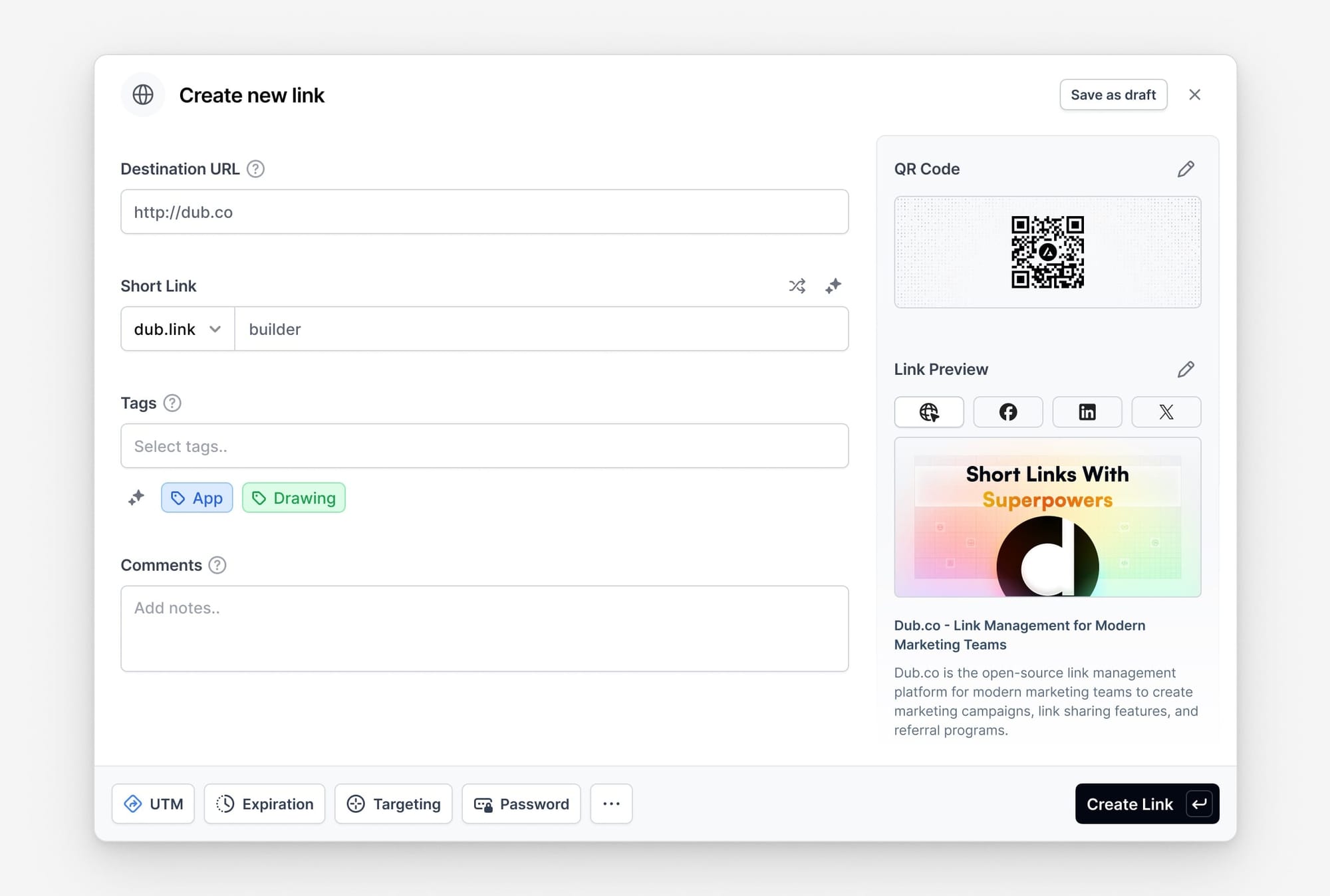
One of my favorite tools for affiliate marketers is Dub. Dub allows you to create branded links, track clicks, monitor performance, and manage affiliate campaigns from a centralized dashboard.
For bloggers using Ghost, Beehiiv, Feather, or other non-WordPress platforms, Dub provides a professional solution for affiliate link management without relying on plugins like PrettyLinks.
Dub has a free plan that supports three custom domains and tracks 1,000 clicks per month with real time analytics, QR codes and link tags.
How SEO and Affiliate Marketing Work So Well Together
Search engine traffic is one of the most powerful drivers of affiliate revenue. Unlike social media traffic, which often disappears quickly, search traffic can continue arriving for years.
A well-optimized article can generate visitors every day without requiring constant promotion. The best affiliate keywords typically fall into categories such as reviews, comparisons, alternatives, best tools, how-to guides and product recommendation as discussed earlier.
When your content appears at the right moment, affiliate recommendations become far more effective.
This is why many successful bloggers focus heavily on SEO as part of their affiliate marketing strategy. Organic traffic and affiliate marketing complement each other remarkably well. Together, they create a system that can continue generating results long after content is published.
How Email Marketing Can Increase Your Affiliate Revenue
Many bloggers focus heavily on traffic and SEO while overlooking one of the most valuable assets they can build: an email list.
Traffic comes and goes. Search rankings change. Social media algorithms evolve. But an email list is something you own.
When someone joins your email list, they're giving you permission to continue the conversation beyond a single blog post. This creates opportunities to build familiarity, trust, and credibility over time.
And trust is what drives affiliate sales.
Someone who discovers your blog through Google may be visiting for the first time. An email subscriber, however, has chosen to hear from you regularly. They've raised their hand and expressed interest in your content.
As a result, email subscribers are often more likely to:
- Read your recommendations
- Click your links
- Explore tools you suggest
- Purchase products that solve their problems
This doesn't mean every email should contain affiliate links.
The most effective email marketers focus on delivering value first and recommendations second.
For example, you might:
- Recommend your favorite blogging platform in a newsletter
- Share a tool that helped improve your SEO workflow
- Introduce an email marketing platform you're currently using
- Highlight a software deal your audience may appreciate
When recommendations are relevant and timely, they feel helpful rather than promotional.
Common Affiliate Marketing Mistakes Bloggers Make
Affiliate marketing can be incredibly rewarding, but there are several mistakes that consistently hold bloggers back. Fortunately, most of them are avoidable.
- Joining Too Many Affiliate Programs: New bloggers often sign up for every affiliate program they encounter. Which result to a collection of random links with no clear strategy. Instead of promoting dozens of products, focus on a small number of tools that genuinely align with your audience and content.
- Promoting Products You Don't Understand: Readers trust recommendations that come from experience. If you've never used a product, it becomes much harder to explain its strengths, weaknesses, and ideal use cases. Whenever possible, prioritize products you've personally tested or researched thoroughly.
- Ignoring Search Intent: Some bloggers write content they want to publish rather than content people are actively searching for. Someone searching for best blogging platforms is already looking for solutions. Meeting readers at that stage often leads to stronger results.
- Focusing Only on Commissions: As said earlier, high commissions can be attractive but recommending poor products for larger payouts is rarely a sustainable strategy. Once trust is lost, rebuilding it can be difficult.
- Not Tracking Performance: You can't improve what you don't measure. If you have no idea which affiliate links get clicks, which products convert best, which articles generate commissions and which partnerships are worth prioritizing. You won't be able to focus your efforts where they matter most.
How Much Money Can Bloggers Make With Affiliate Marketing?
This is one of the most common questions in blogging.
And the honest answer is: It depends.
Affiliate income varies significantly based on factors such as:
- Niche
- Traffic
- Content quality
- Audience trust
- Product selection
- SEO performance
Some bloggers earn enough to cover their hosting expenses. Others generate a few hundred dollars each month. And some build six-figure affiliate businesses.
The difference isn't usually luck. It's often the result of creating valuable content consistently over a long period of time. Affiliate marketing is like every other income stream, it rewards patience.
Introducing My Free Affiliate Programs for Bloggers Directory
If you're looking for affiliate programs to join, I've created a free resource that can save you hours of research.
The Affiliate Programs for Bloggers Directory contains a curated collection of affiliate opportunities relevant to bloggers, creators, publishers, and online entrepreneurs.
Instead of searching endlessly for programs to promote, you'll have a growing list of opportunities in one place.
Whether you're interested in blogging tools, SEO software, email marketing platforms, creator tools, or business services, the directory provides a helpful starting point.
The SaaS Affiliate Program Tracker
Finding affiliate programs is only part of the equation. Managing them is where things become challenging.
That's why I created the SaaS Affiliate Program Tracker which I personally make use of.
The tracker is designed to help bloggers and affiliate marketers organize and collect their partnerships links in a structured and efficient way.
Inside, you’ll be able to organize every program in one place, from program names and types to approval status, promo dates, and tracking links. No more digging through emails or dashboards to find what you need.
More importantly, this tracker helps you think strategically. You can monitor commissions, cookie durations, and current status, while also identifying what’s actually working by tracking your main traffic sources and top-performing content.
If affiliate marketing becomes a meaningful part of your blogging strategy, having a dedicated tracking system can save considerable time and frustration.
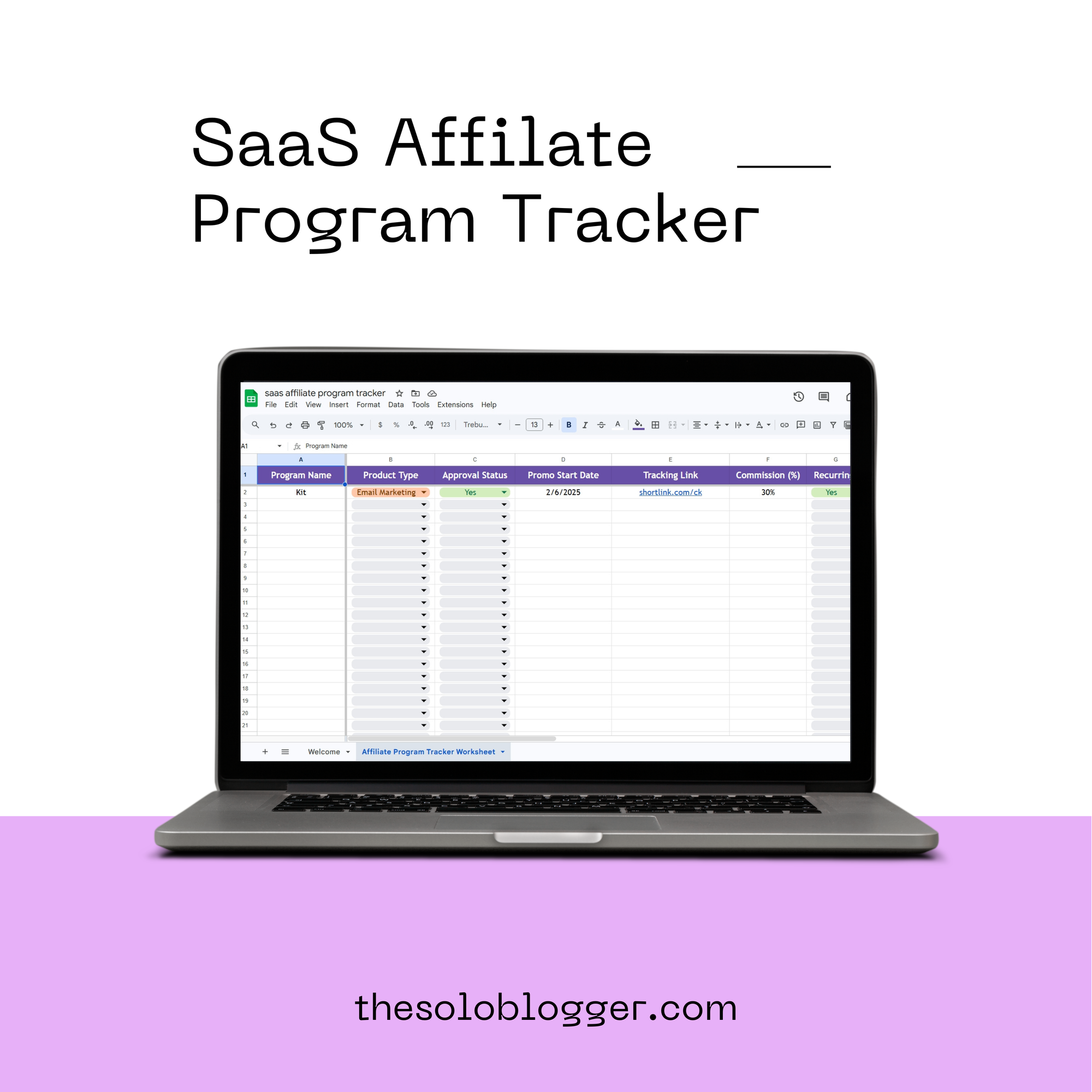
SaaS Affiliate Program Tracker
This is the exact tracker I personally use to manage and grow my SaaS affiliate income without losing track of opportunities, links, or performance. It’s built for bloggers who want to move beyond scattered spreadsheets and start treating affiliate marketing like a real revenue stream.
Frequently Asked Questions
Do I Need a Large Audience to Start Affiliate Marketing?
No. You can start affiliate marketing before you have a large audience.
How Many Affiliate Programs Should Beginners Join?
Start with a handful of highly relevant programs. It's usually better to promote five excellent products than fifty average ones.
Is Affiliate Marketing Passive Income?
Not entirely. Content must be created, updated, optimized, and maintained.
However, affiliate content can continue generating revenue long after publication, making it one of the more scalable blogging business models.
Should I Disclose Affiliate Relationships?
Absolutely. Transparency builds trust and helps readers understand that you may earn a commission from certain recommendations.
Can Affiliate Marketing Work Alongside Ads and Digital Products?
Yes. I'd advise you to combine affiliate marketing with advertising, sponsorships, memberships, courses, coaching, newsletters, and digital products. That way you have multiple sources of income.
To Conclude About Affiliate Marketing
Affiliate marketing remains one of the most powerful ways for bloggers to monetize their content because it aligns incentives for everyone involved.
- Readers discover useful solutions.
- Companies acquire new customers.
- And bloggers are rewarded for making valuable recommendations.
Focus on helping readers make better decisions, recommend products you genuinely believe in. And most importantly, think long term.
Do that well, and affiliate marketing can become one of the most valuable assets your blog ever builds.