My Recommended Blogging Tools & Resources
If you're building a blog, you'll quickly discover that there are hundreds of tools promising to make blogging easier, faster, and more profitable.
The truth is that you don't need dozens of subscriptions to succeed. You simply need the right tools at the right stage of your blogging journey.
Below are the platforms, services, and resources I personally recommend for bloggers. Whether you're starting your first blog, growing your traffic, building an email list, or monetizing your audience, these recommendations can help you move forward with more confidence.
Ghost
Best for: Building a professional blog and newsletter business
If you're serious about blogging and want an alternative to WordPress, Ghost is my favorite blogging platform. It combines blogging, newsletters, memberships, and SEO tools into one streamlined platform.
Ghost is particularly appealing for creators who want a clean writing experience without dealing with plugins, updates, or technical complexity.
I moved The Solo Blogger to Ghost because it provides a fast, modern publishing experience that keeps the focus on content rather than website maintenance.
Outrank
Best for: Creating SEO-focused blog content with AI
Writing consistently is one of the biggest challenges most bloggers face.
Outrank helps simplify content creation by generating SEO-focused blog articles, content recommendations, and optimization suggestions. It can significantly speed up the research and drafting process while helping you identify opportunities to rank in search engines.
If you are trying to publish more content without sacrificing quality, Outrank can become a valuable part of their workflow.
Kit
Best for: Building and monetizing an email list
It should be common now that every blogger should start building an email list from day one.
Kit makes it exceptionally easy to create opt-in forms, landing pages, automated email sequences, and newsletters. It also offers the best free plan features letting you collect 10,000 subscribers on its free plan.
Whether you're collecting subscribers, delivering freebies, or promoting products, Kit helps you stay connected with your audience beyond search engines and social media. If blogging is your home, your email list is your most valuable asset.
Dub
Best for: Managing and tracking affiliate links
If you notice the affiliate links on this blog are branded (example: https://go.thesoloblogger.com/dub instead of https://refer.dub.co/thesoloblogger) and so many are other blogs.
Dub allows you to create branded links, monitor clicks, organize affiliate partnerships, and track performance from one dashboard.
Instead of sharing long and messy affiliate URLs, you can create professional branded links that are easier to trust, easier to manage, and easier to analyze.
It's one of my favorite tools for affiliate marketers and bloggers who want a cleaner workflow. The best part? It's free and you get to connect your domain on the free plan.
Beehiiv
Best for: Newsletter-first creators
Beehiiv is a powerful newsletter platform designed for creators who want to grow an audience primarily through email.
You get newsletter publishing tools, blogging capability, subscriber management, monetization tools, referral programs, and audience growth features into a single platform.
Tailwind
Best for: Pinterest marketing and content distribution
Creating great content is only half the battle. People need to discover it.
Tailwind helps bloggers schedule, manage, and optimize their Pinterest marketing efforts. Since Pinterest remains one of the best traffic sources for many bloggers, Tailwind can save hours of manual work while helping your content reach a wider audience. It's a valuable growth tool.
Moz
Best for: SEO research and content optimization
SEO remains one of the most effective ways to grow a blog. Moz is one of the most respectable names in the SEO industry, it offers keyword research, site audits, rank tracking, backlink analysis, and educational SEO resources that help bloggers and website owners improve their search visibility.
Whether you're learning SEO for the first time or refining an existing strategy, Moz provides tools that can help you attract more organic traffic.
Shopify
Best for: Selling products online
As your blog audience grows, you may eventually want to sell something. Shopify makes it easy to sell both physical and digital products through a professional online store.
With Shopify you can sell ebooks, templates, printables, merchandise, memberships, and physical products.
If monetization is part of your long-term plan, Shopify provides a reliable foundation for ecommerce.
Termly
Best for: Creating legal pages for your blog
Many bloggers overlook the legal side of running a website. Termly helps you generate important legal documents such as privacy policies, terms of use pages, disclaimers, and cookie policies.
Having proper legal pages not only improves professionalism but can also help ensure compliance with privacy regulations and advertising requirements.
Namecheap
Best for: Purchasing a domain name
Every blog needs a home. Namecheap is one of the easiest and most affordable places to register a domain name. I've used it for years and appreciate its straightforward pricing, user-friendly dashboard, and reliable domain management tools.
Your domain is one of the first investments you'll make as a blogger, and it's worth choosing a provider you can trust.
Fiverr
Best for: Outsourcing specialized tasks
You don't have to do everything yourself. Fiverr connects bloggers with freelancers who can help with graphic design, website development, content editing, video creation, branding, and countless other services.
As your blog grows, outsourcing certain tasks can free up time and allow you to focus on creating content and serving your audience.
The Solo Blogger Blogging Resources
In addition to software tools, I've created several resources designed specifically for bloggers. These are the templates, systems, and libraries I wish I had when I started.
Free Resources:






Paid Resources:
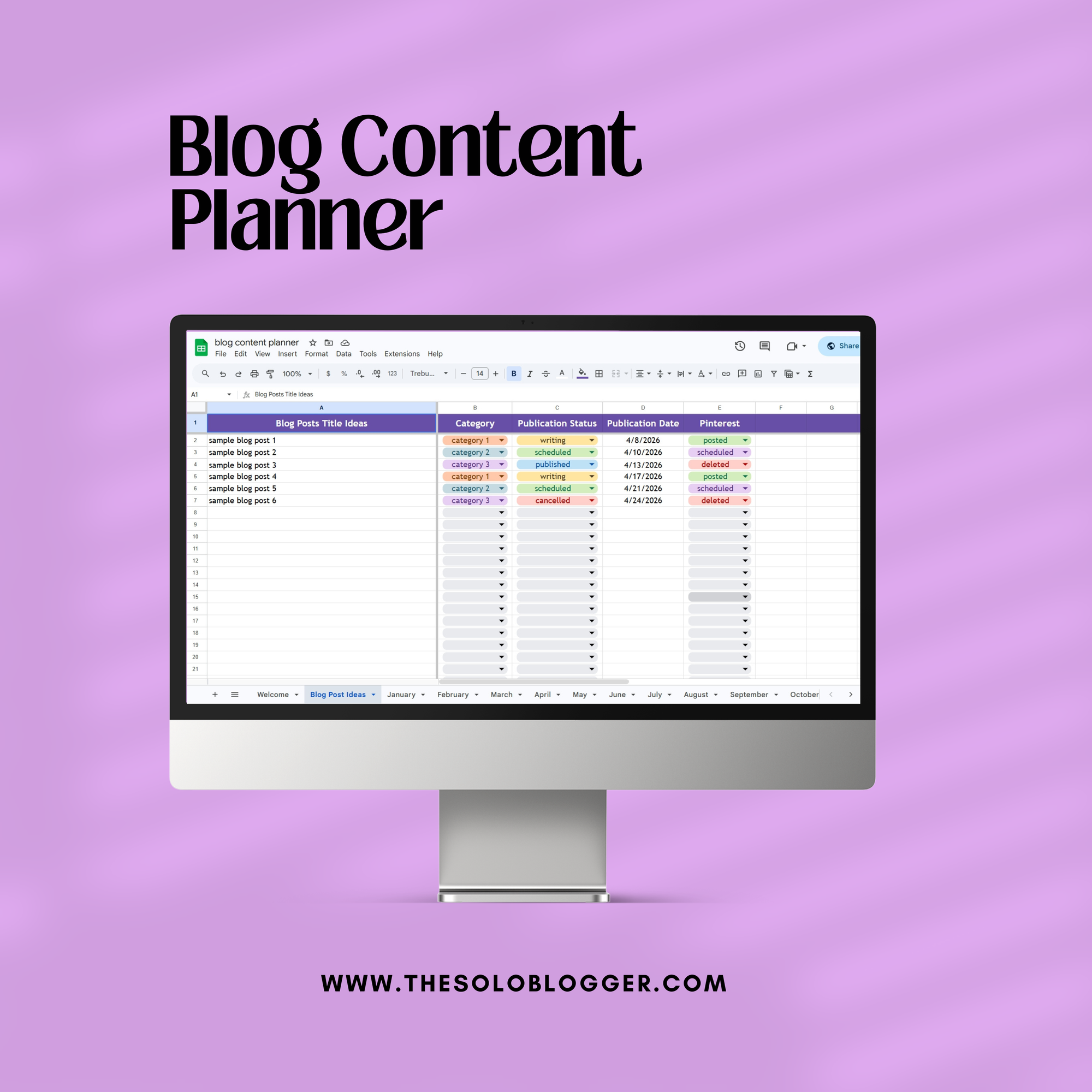
Blog Content Planner
This is the exact content planner I personally use to stay consistent, organized, and intentional with my blog growth. It’s designed for bloggers who want clarity across their content, not scattered ideas and missed publishing dates.
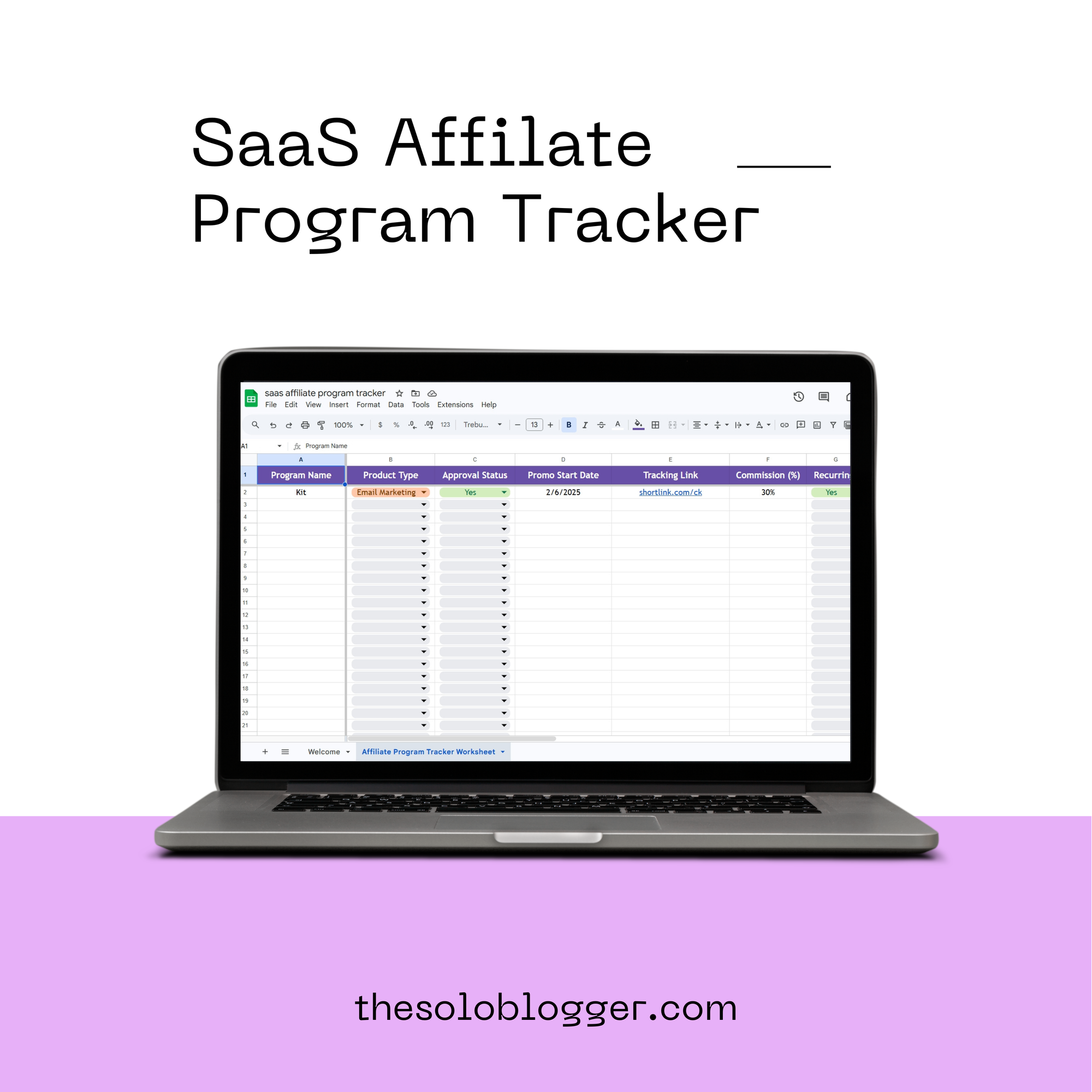
SaaS Affiliate Program Tracker
This is the exact tracker I personally use to manage and grow my SaaS affiliate income without losing track of opportunities, links, or performance. It’s built for bloggers who want to move beyond scattered spreadsheets and start treating affiliate marketing like a real revenue stream.
Recommended Reading
 Faye
Faye
 Faye
Faye
 Faye
Faye
 Faye
Faye