How to Choose the Best Blogging Platform as a Beginner (What Actually Matters in 2026)
Today, there are a lot of blogging platforms promising to help you launch your website in minutes and everyone advertising themselves as the "best blogging platform."
The problem is that the best platform for one person isn't necessarily the best platform for another.
A hobby blogger has different needs than someone building a blogging business. A writer who values simplicity may not need advanced customization, while a content creator planning to sell products will want integrations, analytics, and monetization tools from day one.
Choosing the right platform isn't about finding the one with the longest feature list, it's about choosing the platform that supports your goals today while giving you room to grow tomorrow.
In this guide, I'll walk through the most important features to compare before committing to a blogging platform and share the platforms I'd personally recommend based on different needs.
My Top Recommendations
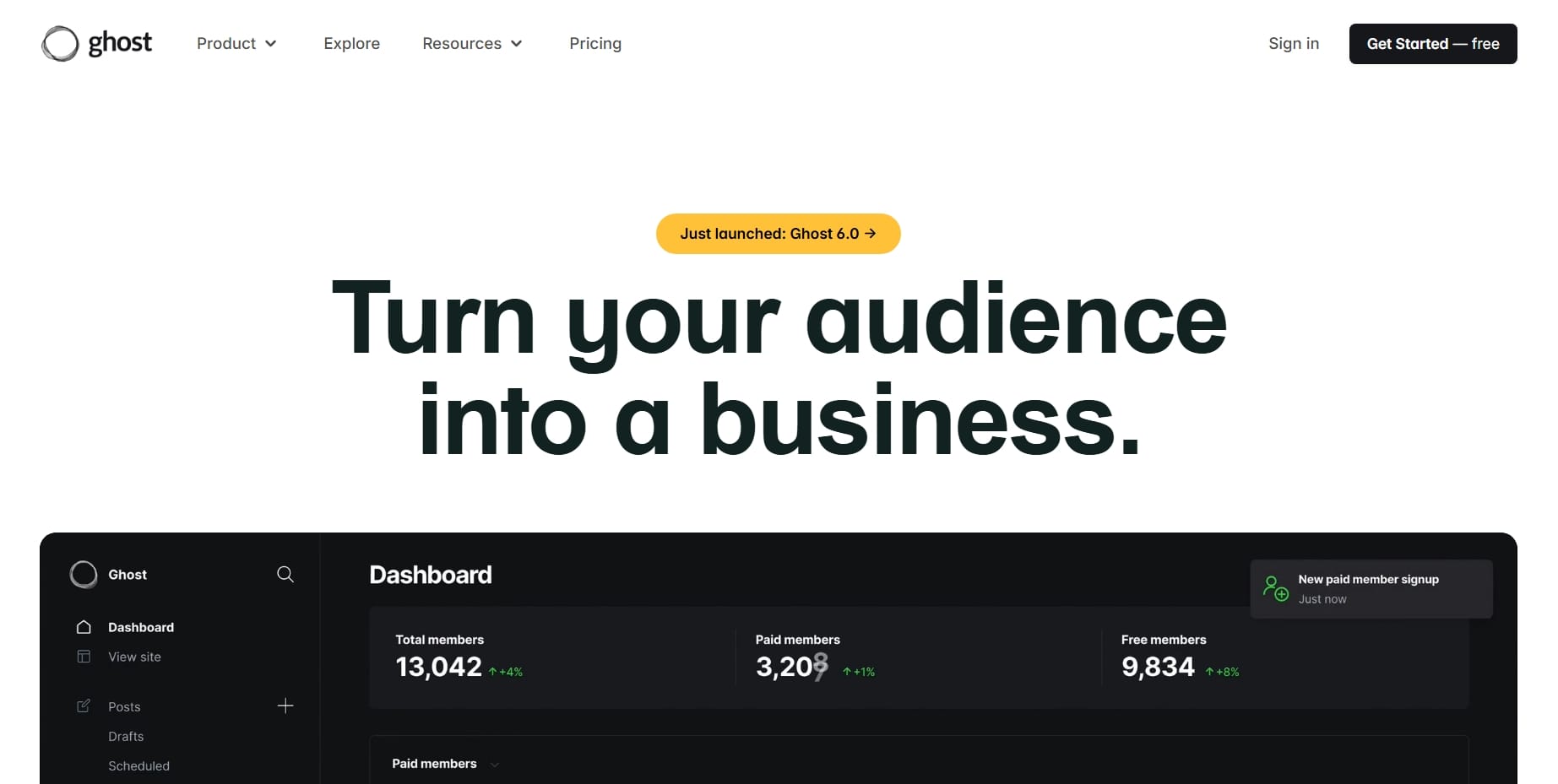
🥇 Best Overall: Ghost
If I could only recommend one blogging platform, it would be Ghost. It offers the best balance of ease of use, built-in SEO, beautiful themes, newsletters, memberships, monetization, customization, and long-term scalability. Whether you're starting a personal blog or building a blogging business, Ghost is a platform you won't quickly outgrow.
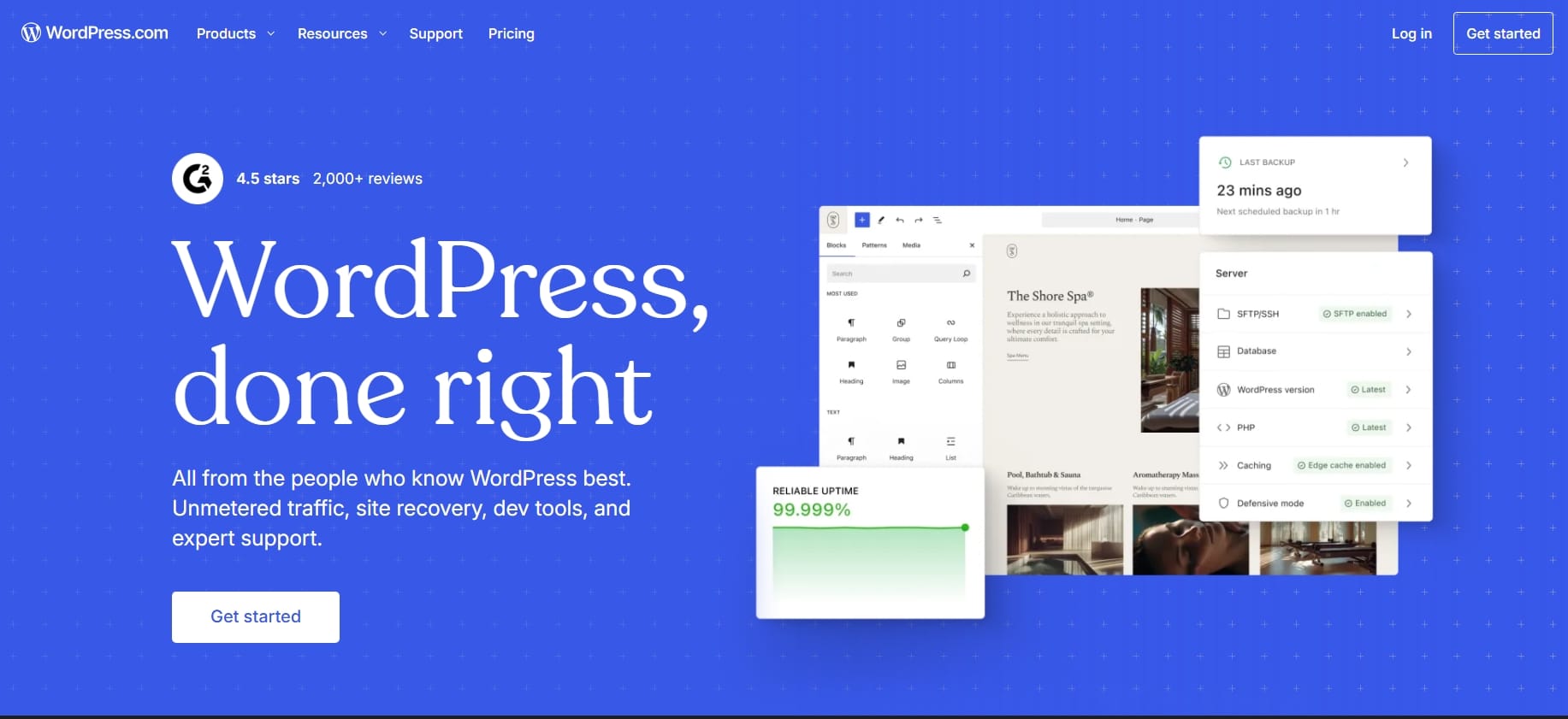
🥈 Best Affordable Option: WordPress.com
WordPress.com is one of the best choices for beginners who want an affordable platform without worrying about hosting or maintenance. It includes managed hosting, modern themes, solid SEO features, and enough flexibility to grow your blog over time.
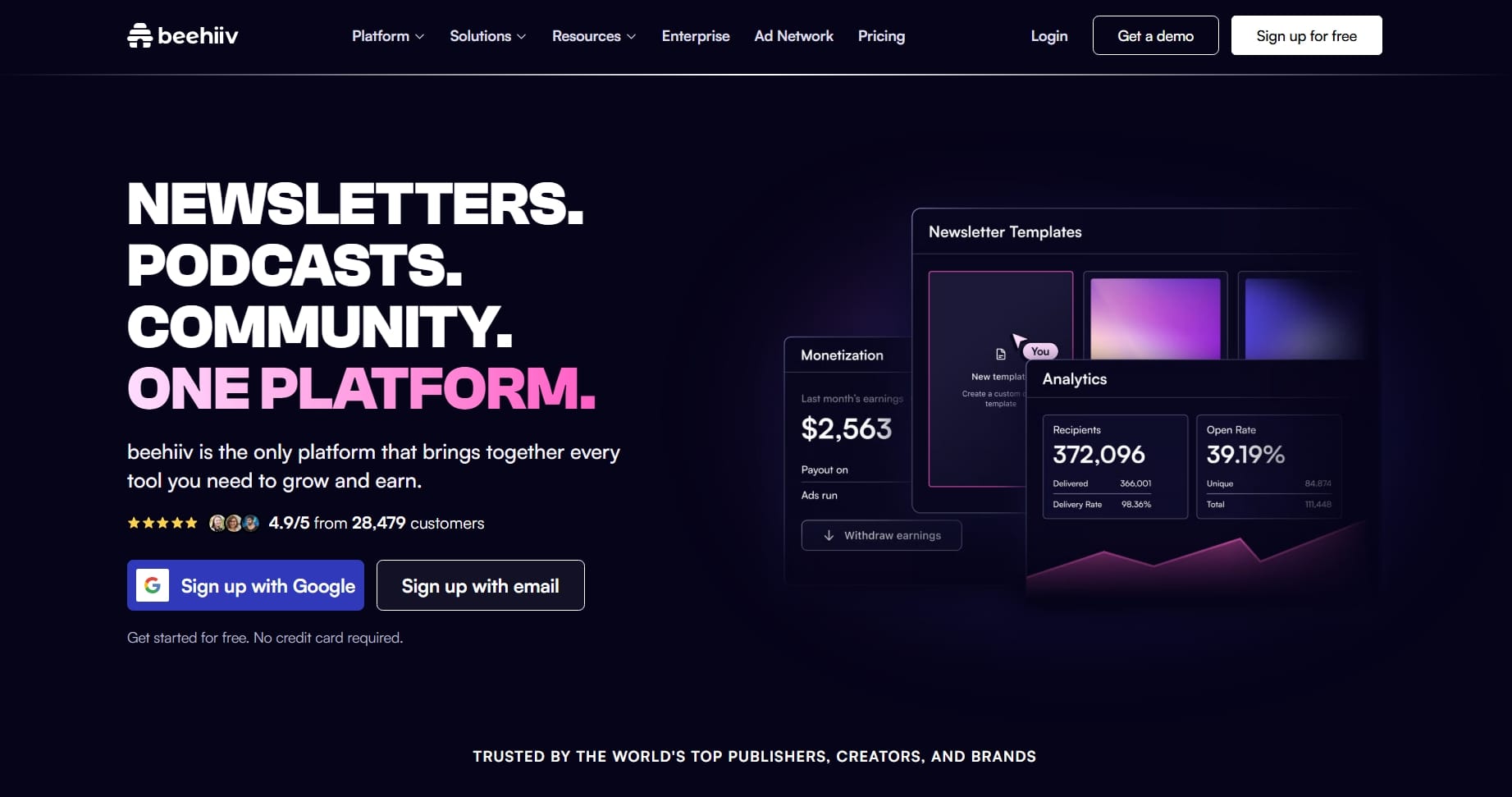
🥉 Best Free Option: Beehiiv
Beehiiv If you're looking for the best free blogging platform, beehiiv is hard to beat. Its free plan lets you create up to three publications, connect a custom domain, and includes built-in newsletter features that many other free platforms reserve for paid plans.
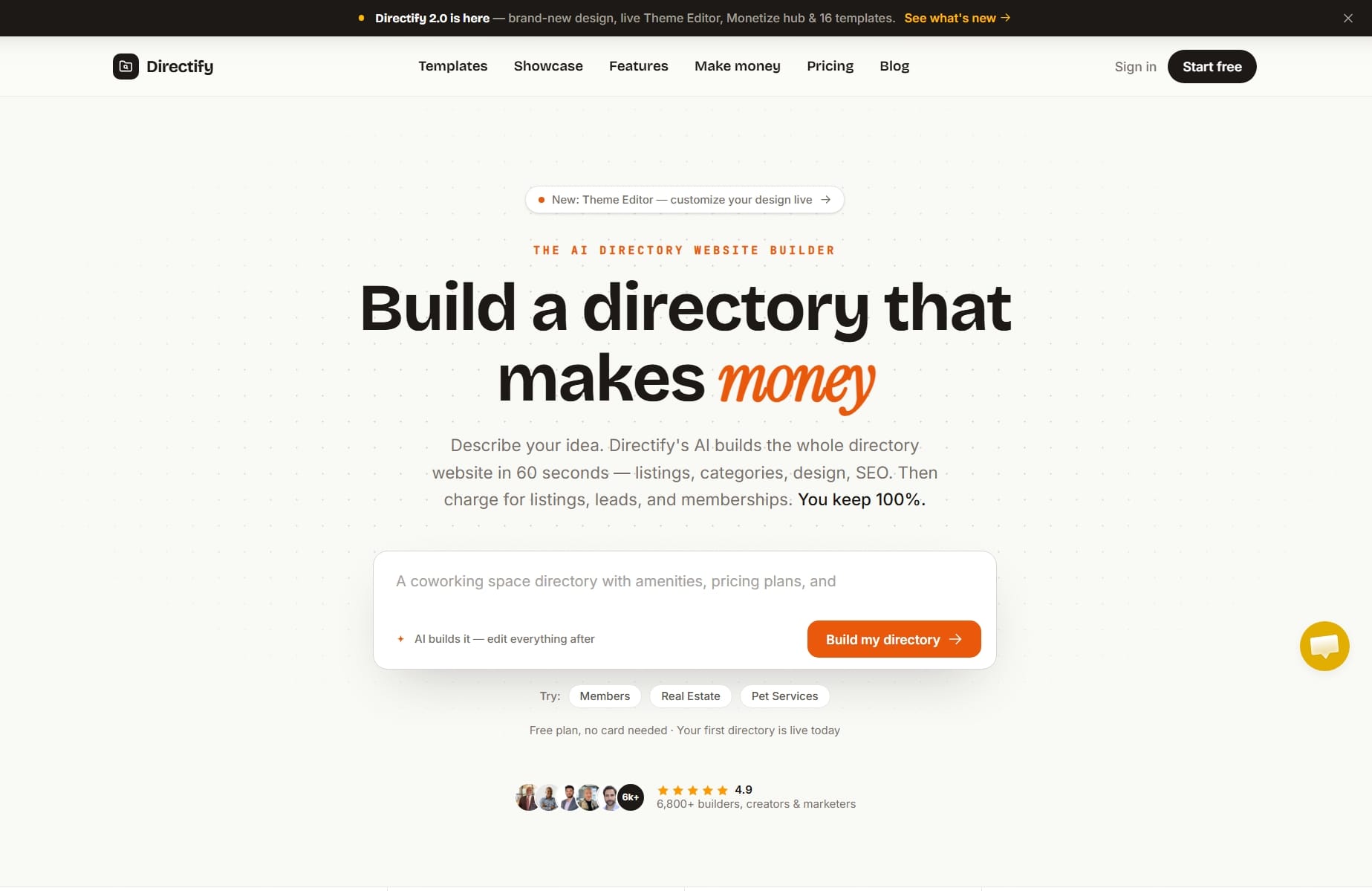
🏅 Best for Directory Blogs: Directify
Directify is an excellent choice if your website combines blogging with a directory. Whether you're building a collection of tools, startup listings, affiliate resources, or curated websites, Directify makes it easy to create a directory-style homepage alongside your blog.
Quick Comparison
| Platform | Best For | Ease of Use | SEO | Monetization | Customization | Starting Price |
|---|---|---|---|---|---|---|
| Ghost | Overall Best | ⭐⭐⭐⭐⭐ | ⭐⭐⭐⭐⭐ | ⭐⭐⭐⭐⭐ | ⭐⭐⭐⭐⭐ | $15/month |
| WordPress.com | Affordable Blogging | ⭐⭐⭐⭐☆ | ⭐⭐⭐⭐⭐ | ⭐⭐⭐⭐⭐ | ⭐⭐⭐⭐⭐ | $4/month (Free Plan Available) |
| Beehiiv | Best Free Option | ⭐⭐⭐⭐⭐ | ⭐⭐⭐⭐☆ | ⭐⭐⭐⭐⭐ | ⭐⭐⭐⭐☆ | $43/month For 3 Blogs (Free Plan Available) |
| Directify | Directory Blogs | ⭐⭐⭐⭐⭐ | ⭐⭐⭐⭐⭐ | ⭐⭐⭐⭐⭐ | ⭐⭐⭐⭐⭐ | $10/month (Free Plan Available) |
Best Blogging Platforms at a Glance
| Feature | Ghost | WordPress.com | beehiiv | Directify |
|---|---|---|---|---|
| Ease of Use | ⭐⭐⭐⭐⭐ | ⭐⭐⭐⭐☆ | ⭐⭐⭐⭐⭐ | ⭐⭐⭐⭐⭐ |
| SEO Features | ⭐⭐⭐⭐⭐ | ⭐⭐⭐⭐⭐ | ⭐⭐⭐⭐⭐ | ⭐⭐⭐⭐⭐ |
| Content Export | ⭐⭐⭐⭐⭐ | ⭐⭐⭐⭐⭐ | ⭐⭐⭐⭐⭐ | ⭐⭐⭐⭐⭐ |
| Customization | ⭐⭐⭐⭐⭐ | ⭐⭐⭐⭐⭐ | ⭐⭐⭐⭐⭐ | ⭐⭐⭐⭐⭐ |
| Growth Features | ⭐⭐⭐⭐⭐ | ⭐⭐⭐⭐⭐ | ⭐⭐⭐⭐⭐ | ⭐⭐⭐⭐⭐ |
| Writing Experience | ⭐⭐⭐⭐⭐ | ⭐⭐⭐⭐⭐ | ⭐⭐⭐⭐⭐ | ⭐⭐⭐⭐⭐ |
| Monetization | ⭐⭐⭐⭐⭐ | ⭐⭐⭐⭐⭐ | ⭐⭐⭐⭐⭐ | ⭐⭐⭐⭐⭐ |
| Dashboard | ⭐⭐⭐⭐⭐ | ⭐⭐⭐⭐☆ | ⭐⭐⭐⭐⭐ | ⭐⭐⭐⭐⭐ |
| In-Built Analytics | ⭐⭐⭐⭐⭐ | ⭐⭐⭐⭐⭐ | ⭐⭐⭐⭐⭐ | ⭐⭐⭐⭐⭐ |
| Theme Design | ⭐⭐⭐⭐⭐ | ⭐⭐⭐⭐⭐ | ⭐⭐⭐⭐⭐ | ⭐⭐⭐⭐⭐ |
| Affordability | ⭐⭐⭐⭐☆ | ⭐⭐⭐⭐⭐ | ⭐⭐⭐⭐⭐ | ⭐⭐⭐⭐☆ |
| Readability | ⭐⭐⭐⭐⭐ | ⭐⭐⭐⭐⭐ | ⭐⭐⭐⭐⭐ | ⭐⭐⭐⭐⭐ |
| Hosting Included | ✅ | ✅ | ✅ | ✅ |
| Post Scheduling | ✅ | ✅ | ✅ | ✅ |
| Integrations | ⭐⭐⭐⭐⭐ | ⭐⭐⭐⭐☆ | ⭐⭐⭐⭐☆ | ⭐⭐⭐⭐☆ |
What Should You Look for in a Blogging Platform?
1. Ease of Use
A blogging platform should make publishing enjoyable, not frustrating.
When you're writing regularly, you'll spend more time inside your dashboard than anywhere else. If the interface feels stuffy or confusing, creating content becomes slower and less enjoyable.
Look for a platform with a clean navigation, and an editor that lets you focus on writing instead of figuring out where everything is or watching tutorials.
2. SEO Features
SEO is one of the biggest reasons blog posts continue to generate traffic years after they're published.
Your platform should make SEO straightforward by supporting customizable titles, meta descriptions, clean URLs, XML sitemaps, image optimization, canonical URLs, and structured content.
Some platforms require plugins for these features or don't even include any integration at all. The easier it is to optimize your articles, the easier it becomes to attract readers from search engines.
3. Content Export?
This is one feature many beginners overlook (I also did when I was building my first blog).
Imagine spending months or even years building your blog only to discover you can't move your content elsewhere.
Before choosing a platform, make sure it allows you to export your content if you ever decide to migrate. Owning your content gives you flexibility and peace of mind.
4. Customization
Every blog eventually develops its own identity.
Your platform should let you customize your homepage, navigation, colors, favicon, typography, and overall layout without making simple changes unnecessarily difficult.
The level of customization you need depends on your goals, but it's always nice to have great customization.
5. Growth Features
A good blogging platform shouldn't just help you publish. It should help you grow.
Look for built-in features like newsletters, memberships, subscriptions, email capture and audience management. These tools become valuable as your readership expands.
6. Writing Experience
Features like Markdown support, slash commands, drag-and-drop media, drafts, autosave, and collaborative editing all contribute to a smoother writing experience.
7. Dashboard
You should be able to find your posts, analytics, comments, settings, and pages with great ease. The simpler the dashboard, the easier it becomes to manage your website.
8. Monetization
Many bloggers don't think about making money until months after launching their website. That's why I always recommend choosing a platform that already supports monetization or can easily integrate with the tools you'll need later.
Look for features like memberships, paid newsletters, digital product support, affiliate marketing compatibility, subscriptions, advertising integrations, payment processors, and eCommerce tools.
Even if you don't plan to monetize immediately, having those options available means you won't need to migrate your blog as it grows.
9. In-Built Analytics
Whether your platform includes built-in analytics or integrates with Google Analytics, you should be able to track visitors, popular posts, traffic sources, and reader engagement.
These insights help you make smarter publishing decisions.
While external analytics platforms are great, but I personally prefer blogging platforms and website builders that comes with built-in analytics.
10. Theme Design
A good blogging platform should offer modern, responsive themes that look great on desktop and mobile devices. Your design influences first impressions, credibility, and even how long visitors stay on your website.
11. Affordability
Price matters, especially when you're just starting and it's very important not to only compare monthly subscriptions.
Also consider hosting, premium themes, plugins, transaction fees, email marketing costs, and future upgrades.
A more expensive platform most times includes features that save money elsewhere.
12. Readability
Choose a platform with readable fonts, proper spacing, excellent mobile responsiveness, and layouts designed for long-form articles.
Readers are far more likely to finish an article that's comfortable to read.
13. Hosting
Managed hosting removes many technical responsibilities.
Choose platforms that handles hosting, security, updates, backups, and performance for you.
14. Scheduling
Publishing consistently becomes much easier when you can schedule posts in advance.
15. Integrations
As your blog grows, you'll likely connect additional tools.
Look for integrations with email marketing platforms, analytics services, automation tools, payment providers, social media schedulers, and eCommerce software.
Good integrations make your workflow significantly more efficient.
So, Which Platform Should You Choose?
Ultimately, the best blogging platform is the one that matches your goals, budget, and publishing style.
The platform you choose today doesn't have to be the one you use forever, but making a thoughtful decision now can save you time, money, and frustration later.
Frequently Asked Questions
How do I choose the best blogging platform?
Start by thinking about your long-term goals. Consider factors such as ease of use, SEO features, customization, monetization options, pricing, export tools, integrations, and how much room the platform gives you to grow. The best platform is the one that supports both your current needs and your future plans.
Which blogging platform is best for beginners?
Should I choose a free or paid blogging platform?
Free plans are ideal for learning the basics and testing ideas. However, if you're serious about building a professional blog, upgrading to a paid plan gives you a custom domain, better branding, additional features, and more opportunities to monetize your content.
What features should every blogging platform have?
At a minimum, your blogging platform should offer a user-friendly editor, good SEO tools, responsive themes, analytics, content scheduling, export options, integrations with other tools, and reliable hosting. If you plan to make money from your blog, built-in monetization features are another important consideration.
Can I move my blog to another platform later?
Yes. Most modern blogging platforms allow you to export your content, although the migration process varies. Choosing a platform with strong export tools makes it much easier to switch in the future if your needs change.
Which blogging platform do you recommend overall?
Ghost is my overall recommendation because it offers an excellent balance of simplicity, performance, built-in SEO, customization, memberships, newsletters, and monetization features. It works well for both beginners who want to grow and experienced bloggers looking for a long-term platform.