Top 10 Blogging Platforms
1. Ghost
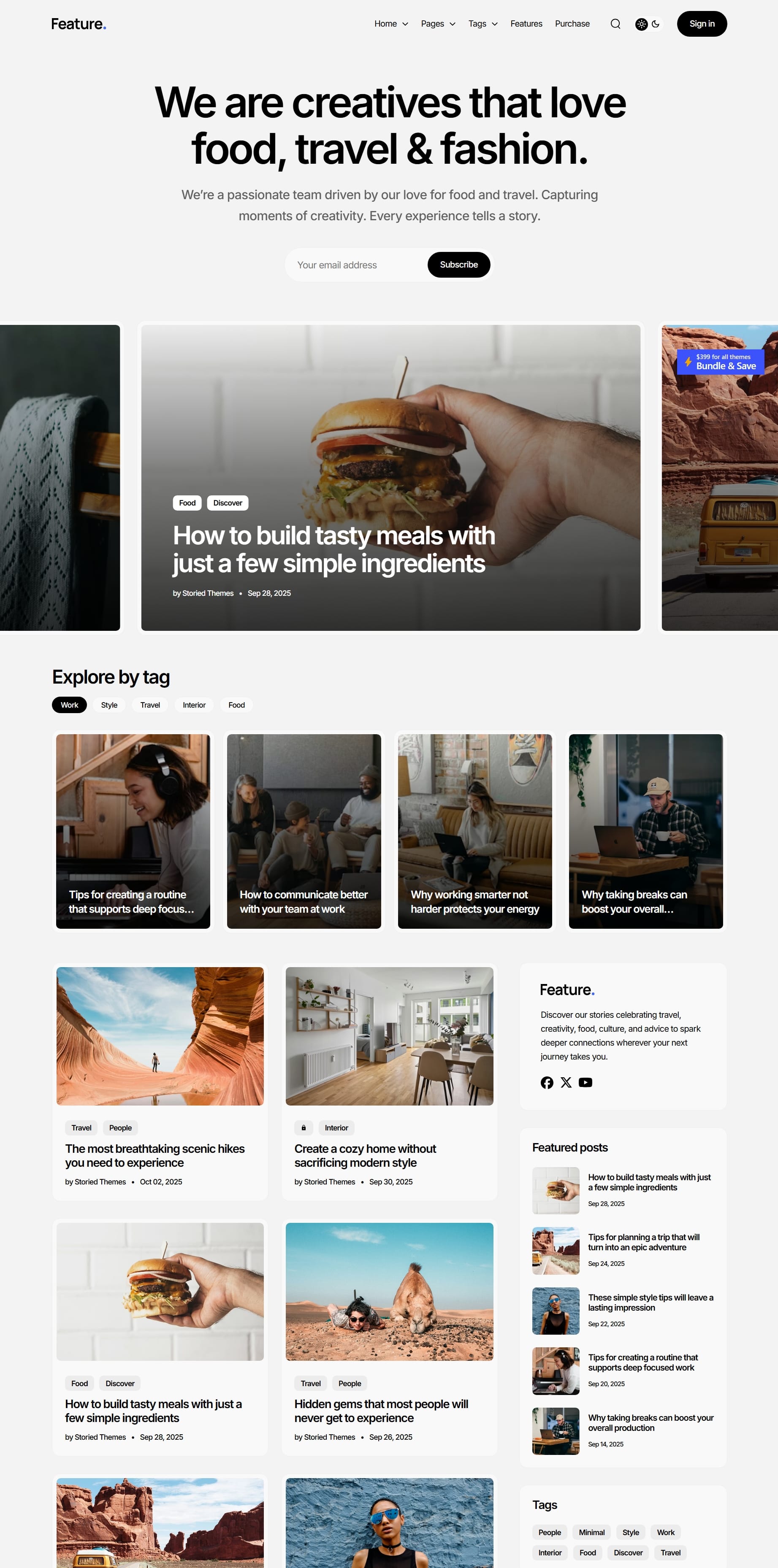
Ghost is a powerful publishing platform built for serious bloggers, independent publishers, and creators who want full ownership of their content, combined with a fast, clean writing experience and built-in monetization through memberships and newsletters.
Ghost focuses heavily on performance, SEO, and minimal design so your content loads quickly and feels premium. It also includes native email newsletter functionality, meaning you don’t need extra tools to start building an audience through email. Best for creators who want a long-term blogging business.
PS: This blog runs on Ghost.
2. Beehiiv
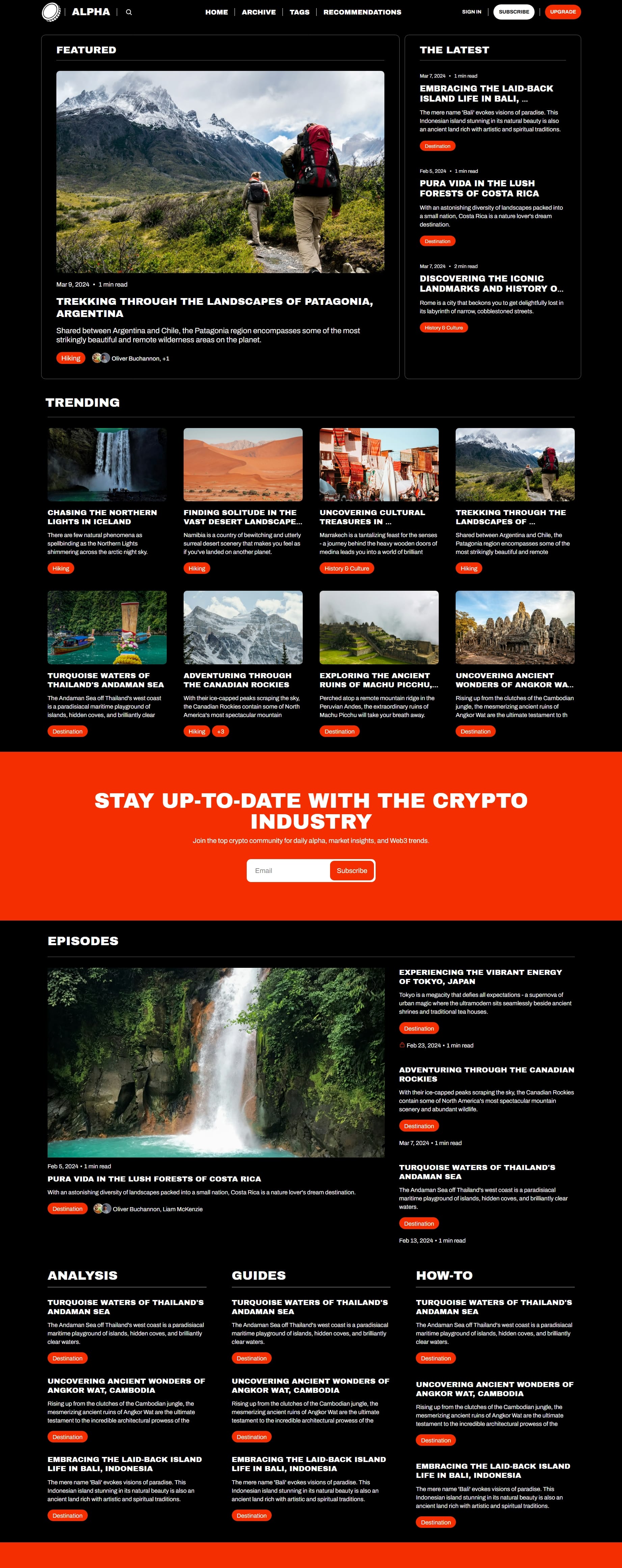
Beehiiv is a newsletter-first blogging platform designed for creators who want to build media brands, grow audiences through referrals, and monetize content through subscriptions and advertising. It combines blogging, email marketing, audience analytics and products selling into one ecosystem, removing the need for multiple tools.
Beehiiv also offers built-in growth features like recommendation networks and various monetization options that help bloggers scale from zero to thousands of subscribers efficiently. It is especially powerful for creators who treat blogging as a business rather than a hobby.
3. WordPress.com

WordPress.com is a hosted version of WordPress that allows users to build blogs quickly without worrying about hosting, maintenance, or technical setup. It provides themes, built-in security, SEO tools, AI tools and upgrade paths for monetization, making it suitable for beginners and growing bloggers alike.
Unlike self-hosted WordPress, everything is managed for you, which makes it easier to focus purely on writing and publishing. It’s a strong option for users who want simplicity with room to scale.
Quick Note: WordPress.com now supports premium themes and plugins on all their paid plans including free domain for one year starting at $48/year (billed annually).
4. Feather
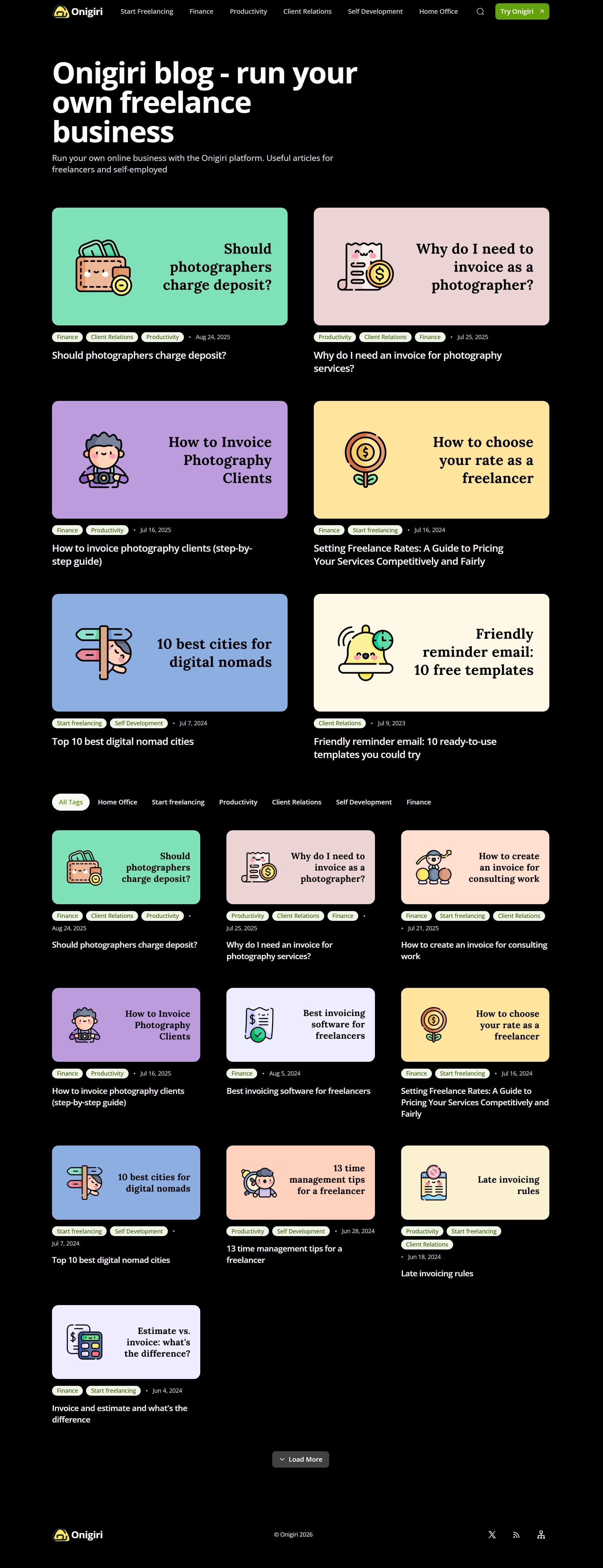
Feather is a modern blogging platform that turns Notion pages into fully functional blogs, making it ideal for startups and creators who already enjoy writing inside Notion and want a simple way to publish content online.
It removes the technical complexity of traditional CMS platforms while still offering SEO-friendly structure, custom domains, and fast page loading. Feather is especially useful for solopreneurs, startup founders, and content creators who want a functional blog without managing hosting.
Feather is the most affordable option since it supports unlimited blogs and unlimited custom domain support with powerful SEO features.
5. Hyvor Blogs
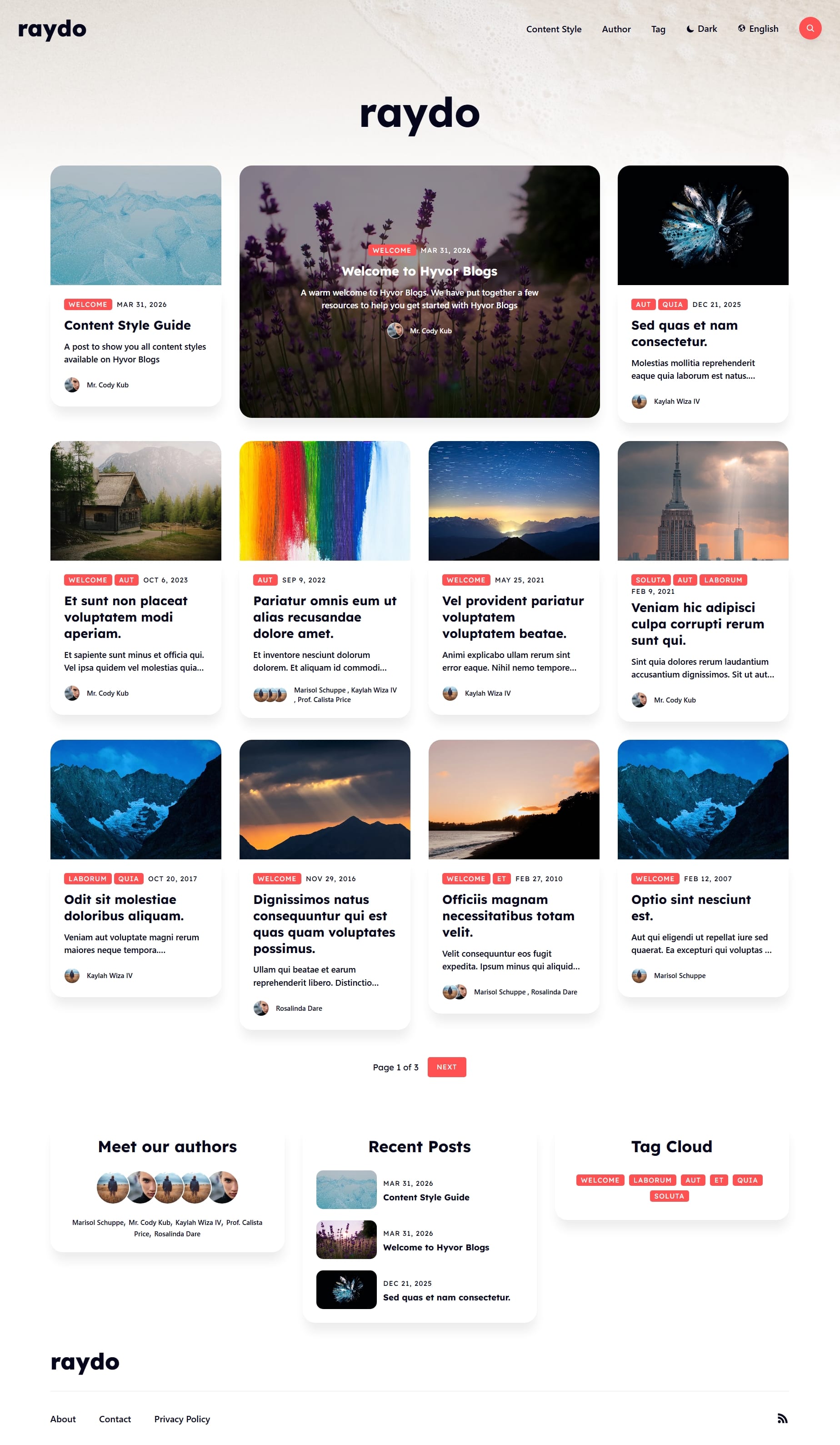
Hyvor Blog is a privacy-first blogging platform designed for writers who want full control, clean performance, and independence from ad-heavy ecosystems. It provides a distraction-free writing environment, custom domains, and built-in analytics without tracking-heavy systems.
Particularly appealing for technical writers, startups and minimalist bloggers who prefer simplicity, speed, and data privacy without sacrificing essential blogging features like SEO tools and customization.
6. Bullet.so
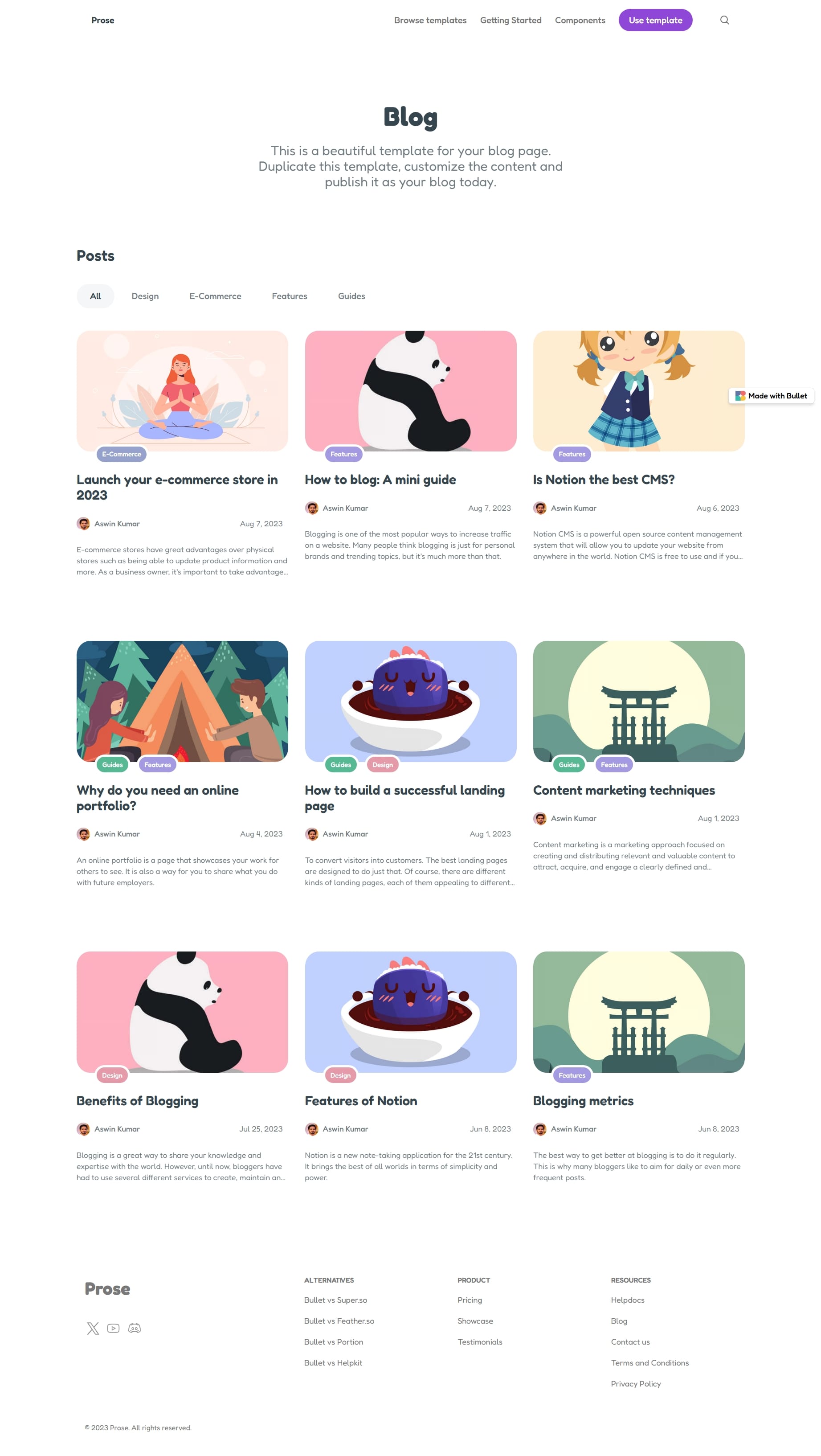
Bullet.so is an AI-powered website builder that turns your Notion pages into a fast, SEO-optimized blog or website in minutes similar to Feather. It handles design, hosting, and publishing, no coding or technical setup required.
With its AI styling feature, you simply describe the look you want, and Bullet builds it for you instantly. It's a strong option for bloggers and creators who already work in Notion and want a professional looking site.
7. Super
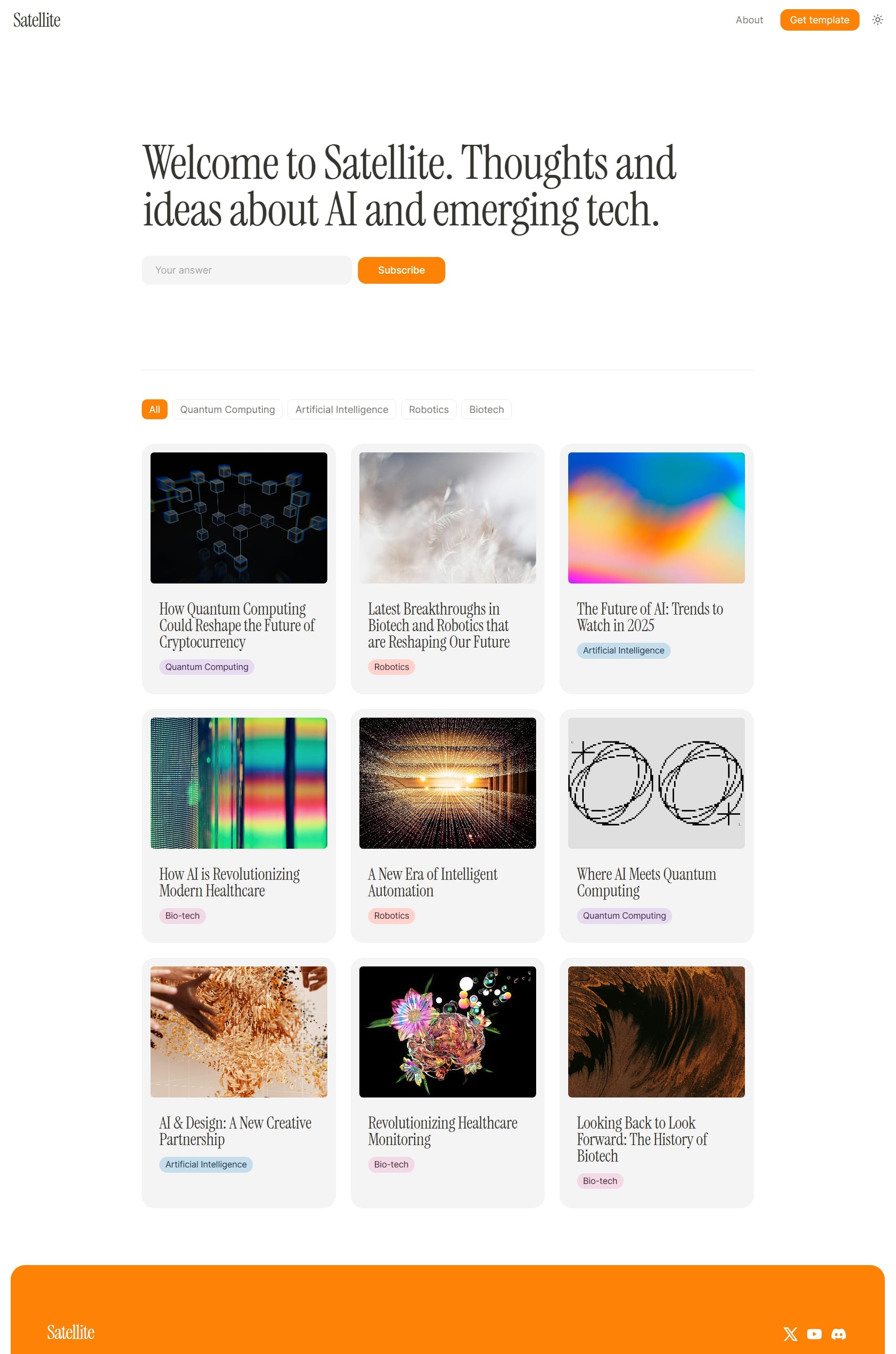
Super.so is also quite similar to Feather and Bullet. It is a website builder that transforms your Notion pages into a fully customized, high-performance blog or site. Any updates you make in Notion are automatically reflected on your site, making it one of the easiest ways to manage a blog.
8. Quotion
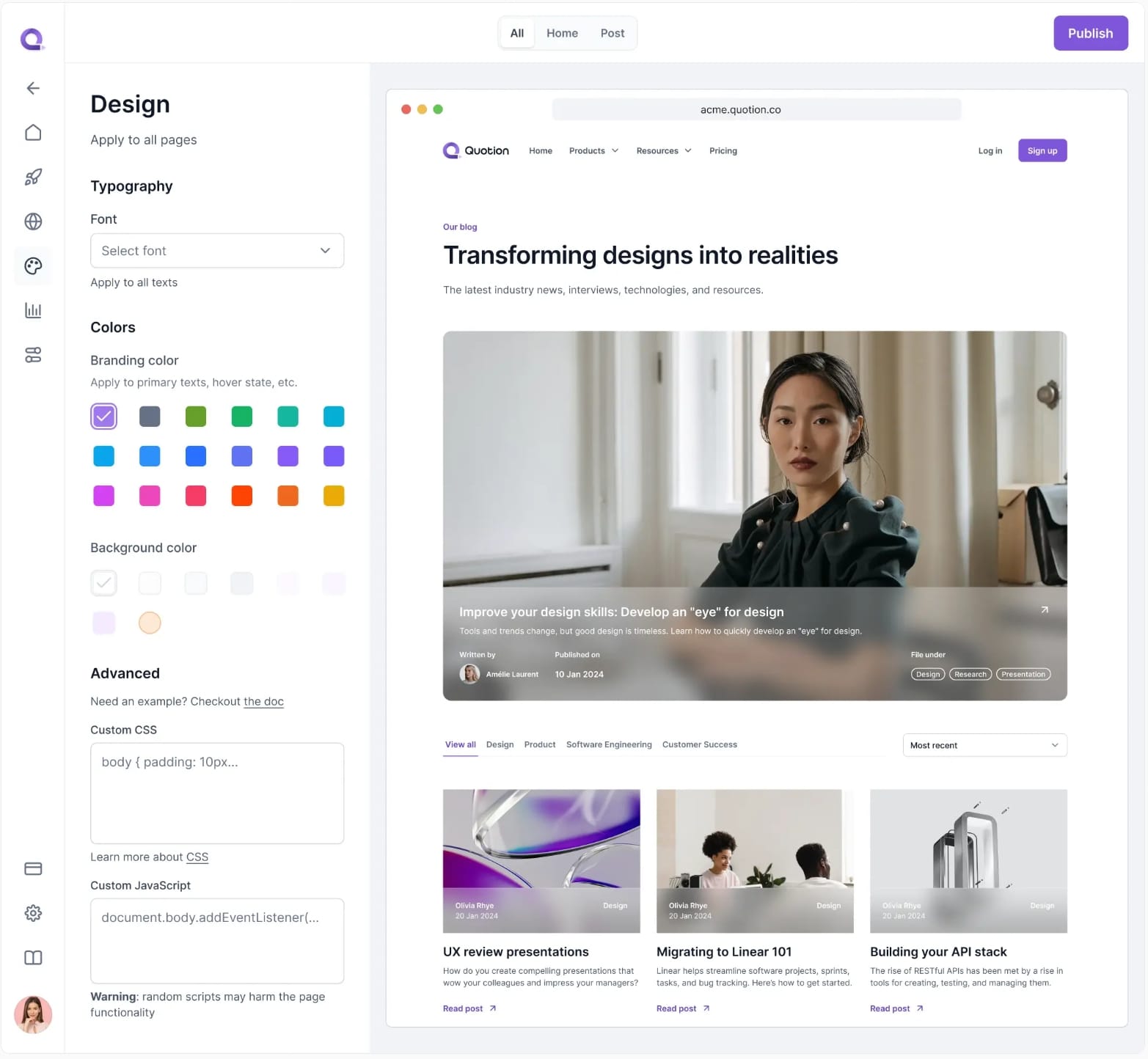
Quotion is a minimal writing-focused platform designed for bloggers who value simplicity and distraction-free publishing.
It turns your Apple notes into blogs, newsletters, portfolios and portals in minutes, making it best suited for writers who want to publish quickly, maintain a personal blog, or share ideas without the overhead of traditional blogging platforms.
9. Systeme.io
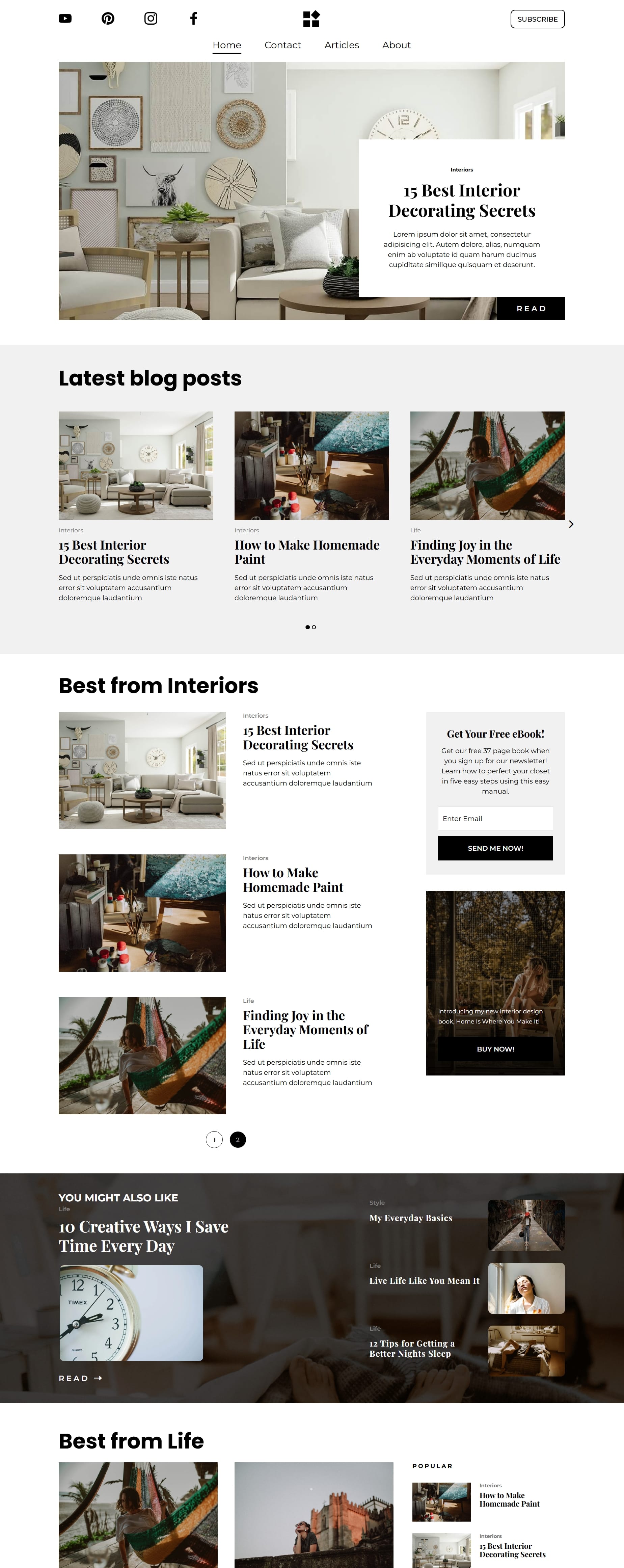
Systeme.io is an all-in-one business platform that combines blogging with email marketing, sales funnels, online courses, and automation tools. It was designed for creators who want to monetize their blog from day one without relying on multiple tools.
With built-in landing pages, funnels, and digital product support, Systeme.io is ideal for bloggers who treat their content as the foundation of a full online business ecosystem.
10. Dorik

Dorik is a no-code website builder that also supports blogging, making it ideal for anyone who want to build landing pages, portfolios, and blogs in one place. It provides modern templates, fast hosting, and a drag-and-drop editor that simplifies website creation.
Dorik is especially useful for freelancers, personal brands, and small businesses that want a professional blog without dealing with complex backend systems or plugins.
Get practical blogging tips, platform guides, traffic strategies, and smart tools delivered straight to your inbox to help you grow your blog faster.
I created a Blog Content planner using sheets if you're interested and also a SaaS Affiliate Program Tracker where you can track all your affiliate programs, link, commission and more.
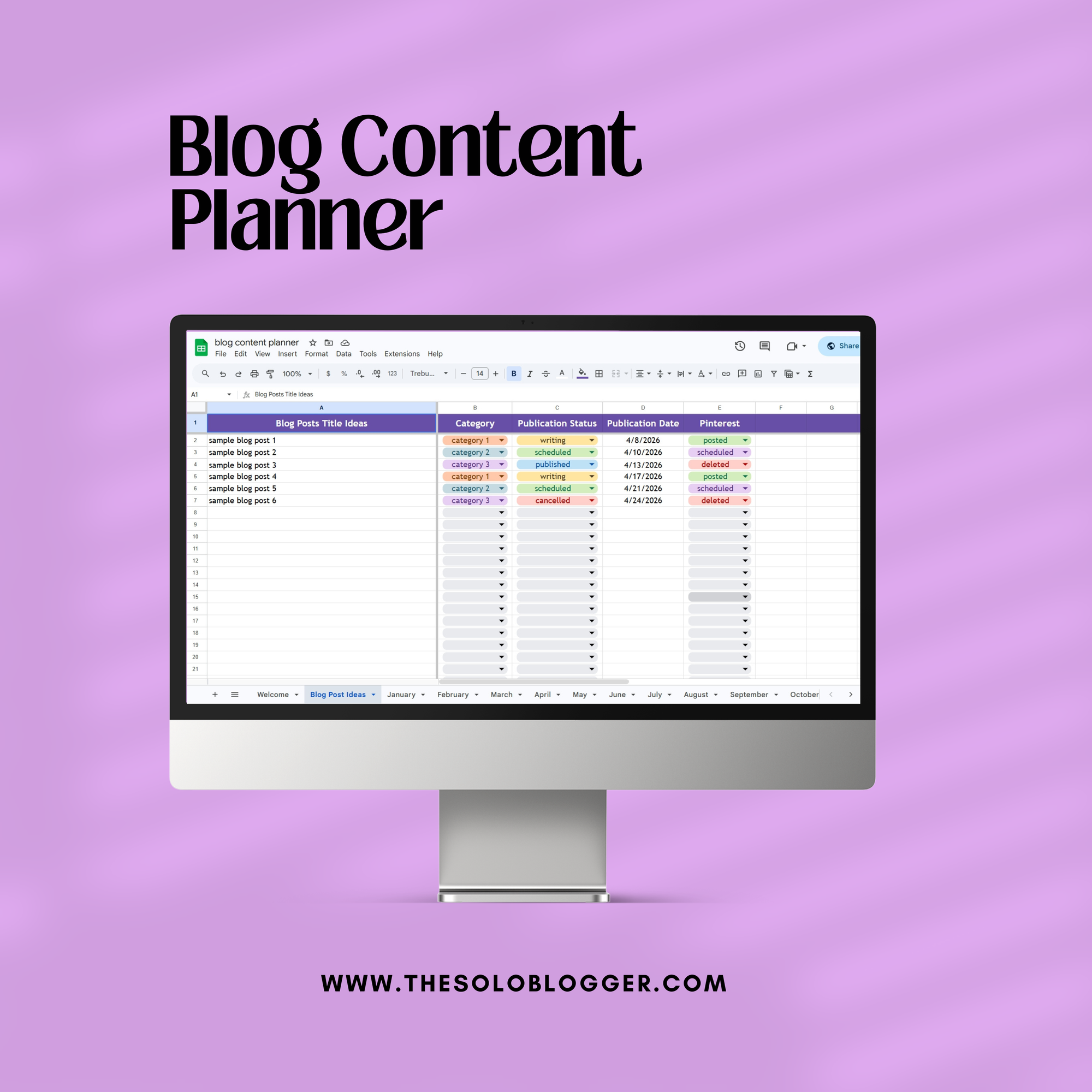
Blog Content Planner
This is the exact content planner I personally use to stay consistent, organized, and intentional with my blog growth. It’s designed for bloggers who want clarity across their content, not scattered ideas and missed publishing dates.
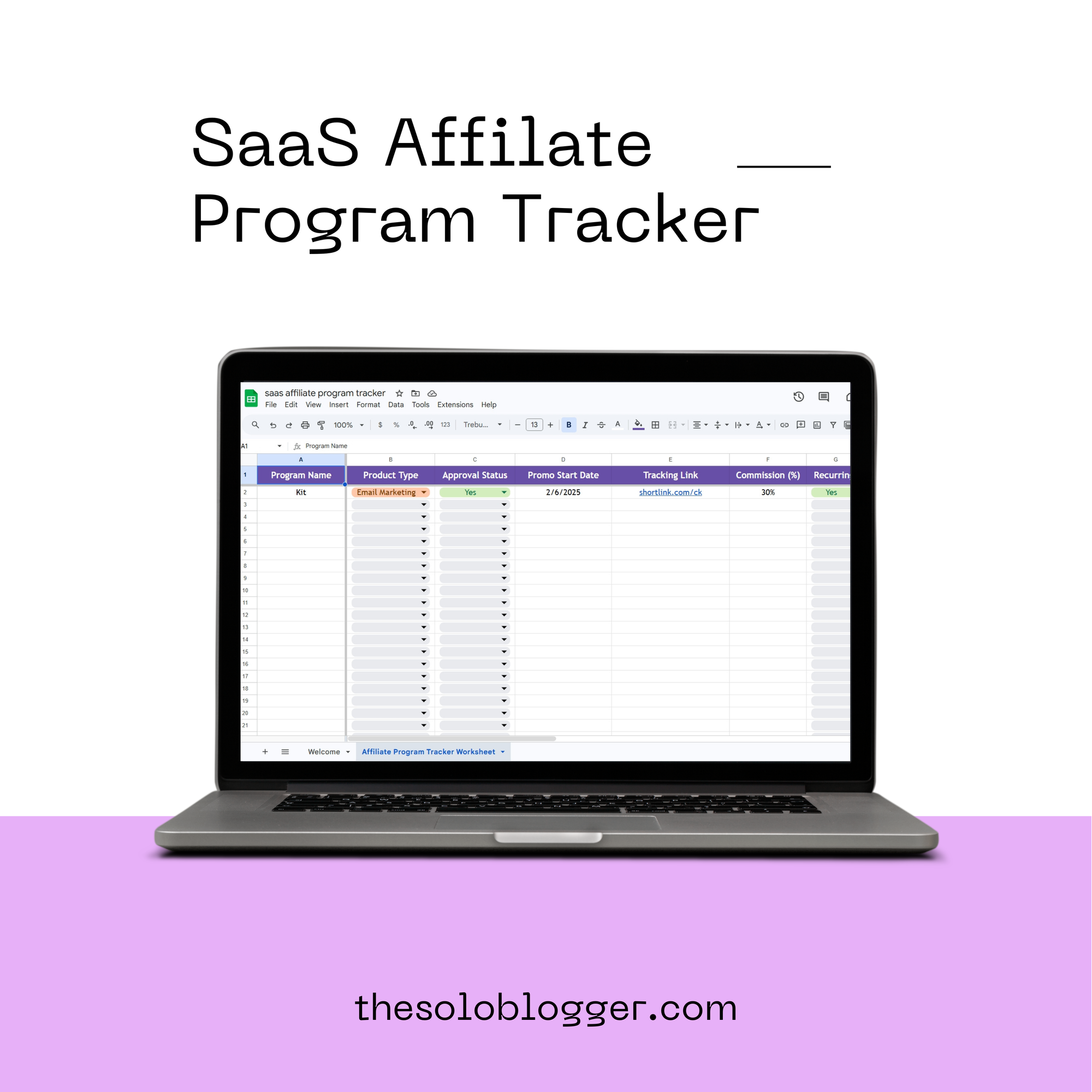
SaaS Affiliate Program Tracker
This is the exact tracker I personally use to manage and grow my SaaS affiliate income without losing track of opportunities, links, or performance. It’s built for bloggers who want to move beyond scattered spreadsheets and start treating affiliate marketing like a real revenue stream.