15 Hidden Blogging Platforms No One Talks About

Most people who want to start a blog immediately end up in the same place: WordPress, Medium, Substack, blah blah blah. While those platforms are good, they are also only a small slice of what’s actually possible in today’s blogging ecosystem.
What very few beginners realize is that there is a growing category of modern, “hidden” blogging platforms that are lighter, faster, more design-focused, or built specifically for creators, newsletters, or developer-friendly publishing.
These platforms don’t always dominate Google search results or YouTube tutorials, but many of them are quietly powering big blogs, indie media brands, SaaS content hubs, and newsletter businesses.
Let's explore some of the most underrated blogging platforms in 2026, what makes each one unique, and the key features that actually matter if you’re building a serious content business.
1. Feather
Feather is a minimalist blogging tool that transforms Notion pages into fast, SEO-friendly blogs. It is especially popular among startups, SaaS and creators who already use Notion as their writing workspace and want a simple way to publish without learning complex website builders.
Notion editor is one of the best editors out there and a lot of Startups and new bloggers use Feather to host their blogs.
Key Features:
- Built on top of Notion content
- Fast, lightweight blog hosting
- SEO-friendly structure and metadata control
- Custom domain support
- Simple design with clean layouts
- No coding required
- Automatic syncing from Notion updates
- Advanced analytics
- Newsletter in-built
- Create unlimited number of blogs on unlimited number of domains
Feather is ideal if you want a writing-to-publishing workflow without dealing with traditional CMS complexity.
2. Hyvor Blogs
Hyvor Blogs is a privacy-first blogging platform designed for simplicity, speed, and clean publishing.
It focuses heavily on performance and minimal setup while still giving users full control over their blog structure.
Key Features:
- Fully hosted blogging platform
- Custom domain support
- SEO optimization tools built-in
- Minimal and distraction-free writing interface
- Fast page loading speeds
- No ads or platform branding on paid plans
- Built-in analytics
3. Buttondown
Buttondown is primarily an email-first publishing platform, but it effectively functions as a lightweight blogging system. Instead of regular blog posts, your content is distributed via newsletters that can also be published publicly as blog entries.
Key Features:
- Newsletter-first publishing system
- Simple blog-like archive of posts
- Minimal writing interface
- Custom domain support
- Email automation and scheduling
- Subscriber tagging and segmentation
- Markdown-based writing
Buttondown is perfect for creators who want to build an audience through email rather than SEO-first blogging.
4. Quotion
Quotion is a simple, distraction-free publishing platform designed for writers who want fast, clean content creation without technical complexity. It turns your Apple notes into blogs, newsletters, portfolios and portals in minutes.
Key Features:
- Extremely minimal writing environment
- Clean blog templates
- Fast publishing workflow
- Custom domains support
- Lightweight design for performance
- Focus on writing experience over customization
- Simple SEO controls
Quotion is ideal for writers who care more about content than design systems.
5. Hashnode
Hashnode is one of the most popular developer-focused blogging platforms in the world. It combines blogging with community distribution, making it easier for technical content to get discovered.
Key Features:
- Free custom domain support
- Built-in developer community
- SEO-optimized structure
- Markdown-based editor
- Automatic GitHub integration
- Fast indexing on search engines
- Newsletter features for subscribers
Hashnode is especially powerful for developers and technical bloggers who want built-in distribution.
6. Umso
Umso is an AI-powered website builder that also supports blogging functionality. It is designed for startups and creators who want to launch websites quickly without technical setup.
Key Features:
- AI-generated website creation
- Built-in blogging system
- Drag-and-drop customization
- Custom domain support
- SEO optimization tools
- Landing page + blog integration
- Fast deployment
- Free plan available
Umso is best suited for startup-style blogs or marketing-focused websites.
7. Super
Super turns Notion pages into fully functional websites and blogs. It is similar in concept to Feather just that you can build more than blogs.
Key Features:
- Notion-based publishing system
- Custom branding and layouts
- SEO control options
- Fast performance hosting
- Simple setup with no coding
- Multi-page website support
- Clean minimalist design system
Super is popular among creators, freelancers, and indie founders.
8. Beehiiv
Beehiiv is one of the fastest-growing newsletter platforms and also functions as a blog + newsletter hybrid.
Key Features:
- Newsletter-first publishing system
- Built-in referral growth tools
- Monetization options (ads + subscriptions)
- Custom website/blog pages
- Advanced analytics dashboard
- Audience segmentation tools
- Easy migration from other platforms
- Custom domain support on free plan
Beehiiv is designed for creators who want to build media businesses around email audiences.
9. Ghost
Ghost is a very powerful modern publishing platform focused on membership-based content and newsletters. It powers a lot of big blogs (this blog is hosted on Ghost) and it's actually one of my top recommended blogging platforms.
Key Features:
- Clean, fast publishing interface
- Membership and subscription system
- Built-in email newsletters
- SEO-friendly architecture
- Fully open-source platform
- Custom themes and design flexibility
- Native monetization tools
Ghost is often used by professional bloggers, independent media brands, and subscription-based publications.
10. Publii + Netlify
Publii combined with Netlify creates a powerful static blogging setup. This approach is different from traditional CMS systems because your blog is generated as static files and hosted for extremely fast performance.
Key Features:
- Offline content creation (Publii)
- Static site generation
- Extremely fast website performance
- Netlify hosting with CDN delivery
- High security (no database vulnerabilities)
- Custom themes and layouts
- Full ownership of files
This setup is ideal for technical users who want maximum speed and control.
11. Zenblog + Webstudio
Zenblog is a content management system, when combined with Webstudio it offers a hybrid approach to blogging and visual website design.
Key Features:
- CMS-powered blogging system (Zenblog)
- Visual web design interface (Webstudio)
- Custom layouts and components
- SEO optimization tools
- Fast performance architecture
- Flexible content structure
- No-code + developer-friendly balance
This combination is designed for creators who want design freedom without fully coding everything.
12. Lots Blog
Lots Blog is a minimalist blogging platform focused on simplicity and fast publishing.
Key Features:
- Extremely simple writing interface
- Clean blog design system
- Fast setup with no technical steps
- Custom domain support
- Lightweight performance
- Focus on writing over customization
It is ideal for writers who want a distraction-free environment.
13. Justblogged
Justblogged is designed for quick publishing with minimal setup and no learning curve.
Key Features:
- One-click blog creation
- Minimal dashboard
- Simple article publishing flow
- Custom domain support
- SEO-friendly structure
- Fast hosting environment
14. QuickCreator
QuickCreator is an AI-assisted blogging platform designed to help users generate SEO-optimized content quickly.
Key Features:
- AI blog writing assistance
- SEO optimization suggestions
- Built-in blog hosting
- Keyword targeting tools
- Content structuring templates
- Fast publishing workflow
- Marketing-focused features
It is useful for creators who want speed and AI support in content production.
15. InBlog
InBlog is a lightweight, modern blogging CMS focused on simplicity and content-first publishing.
Key Features:
- Clean CMS interface
- Fast blog performance
- SEO-friendly structure
- Custom domain support
- Minimal learning curve
- Markdown or editor-based writing
- Simple deployment system
InBlog is best for creators who want a traditional blog feel but with modern simplicity.
In Conclusion
What becomes clear when you look at all these platforms is that blogging in 2026 is no longer limited to a few major tools. Instead, the ecosystem has split into different categories:
- SEO-focused platforms (Ghost, WordPress alternatives)
- Newsletter-first platforms (Beehiiv, Buttondown)
- Notion-based publishing tools (Feather, Super)
- AI-assisted builders (QuickCreator, Umso)
- Minimalist writing platforms (Quotion, Lots Blog)
- Developer/static setups (Publii + Netlify)
The “best” platform is no longer universal. It depends entirely on how you want to write, publish, and grow your audience. If you understand this landscape, you’re no longer just choosing a blogging tool, you’re choosing a content business model.
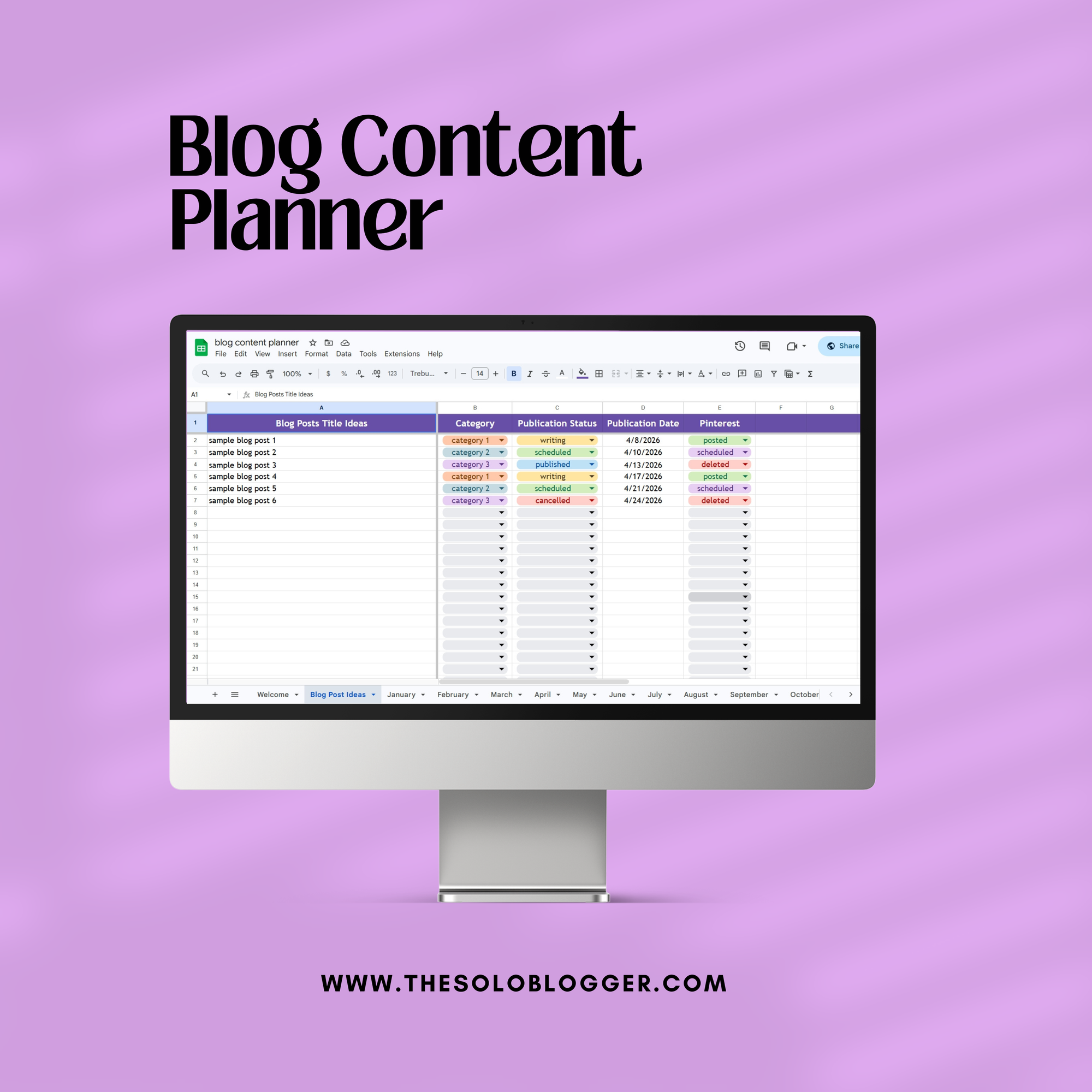
Blog Content Planner
This is the exact content planner I personally use to stay consistent, organized, and intentional with my blog growth. It’s designed for bloggers who want clarity across their content, not scattered ideas and missed publishing dates.
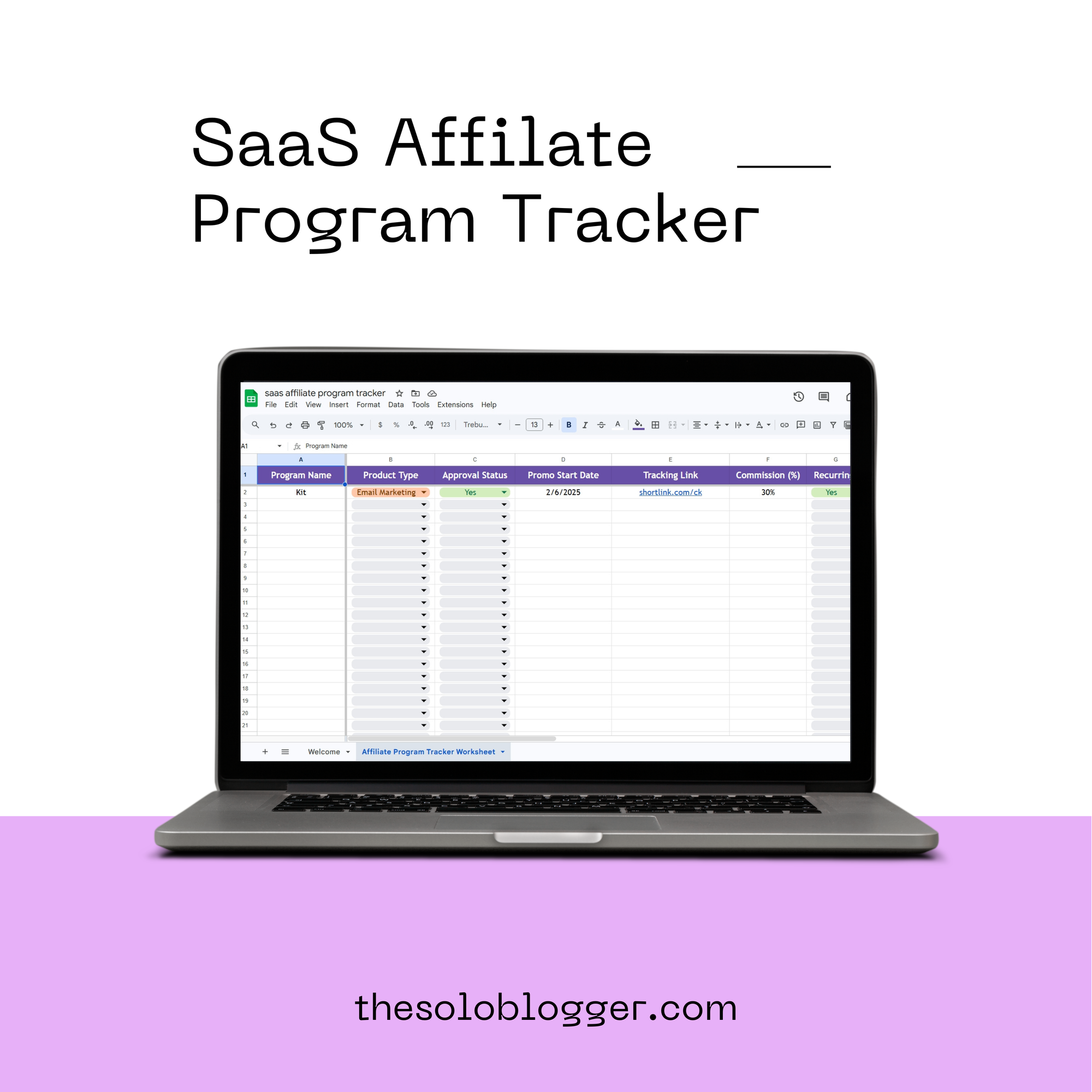
SaaS Affiliate Program Tracker
This is the exact tracker I personally use to manage and grow my SaaS affiliate income without losing track of opportunities, links, or performance. It’s built for bloggers who want to move beyond scattered spreadsheets and start treating affiliate marketing like a real revenue stream.