10 Best Ecommerce Tools for Bloggers Selling Products Online in 2026
Want a fast, beautiful blog without the tech stress? Ghost is the platform I personally use and recommend. It's built for independent bloggers, it comes with everything you need and nothing you don't. Read my Ghost review.
If you’re looking for the best list of ecommerce tools for your blogging business or general online business, you’ve come to the right place.
The best ecommerce tools should provide what you need to create, manage, sell, and grow your business without making the process unnecessarily complicated.
For a long time, bloggers have been taught that income mainly comes from display advertising and affiliate marketing. While both are still incredibly valuable, there is now a much bigger opportunity which is owning and selling your own products.
Instead of depending on commissions or waiting for ad networks to generate revenue, you can increasingly build direct business around the audience you already have.
I have personally experimented with many of these tools while building blogs, websites, digital products, and helping businesses create systems around audience monetization, and one thing I can confidently say is this.
There is no single best ecommerce platform.
The better question is understanding which platform fits the kind of business you actually want to build.
So, in this guide, I want to walk through some of the best ecommerce tools I believe bloggers and creators should make use of in 2026.
1. Sellfy
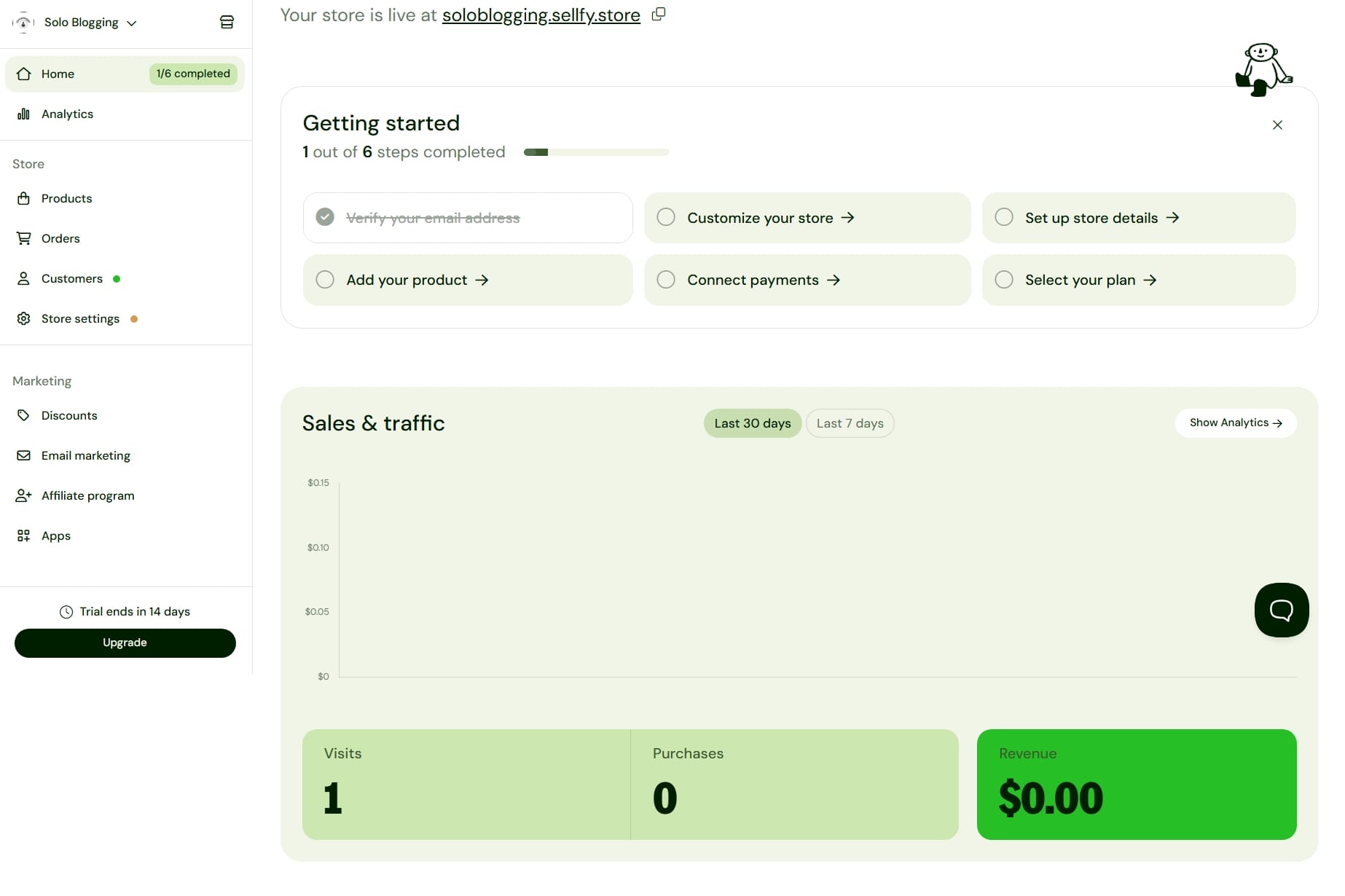
Sellfy is literally the easiest ecommerce tool you can find online. You can literally setup your store in minutes and go live.
You can sell ebooks, templates, design files, digital downloads, memberships, video products, merchandise and subscription products.
Sellfy also comes with built-in powerful marketing features such as upsells, cart abandonment, email marketing, affiliate marketing, discounts and more. That alone replaces and saves you cost on external tools.
Sellfy is also very affordable and the best alternative for creators making use of Podia. And unlike Podia, they don't take a percentage cut of earnings.
2. Shopify
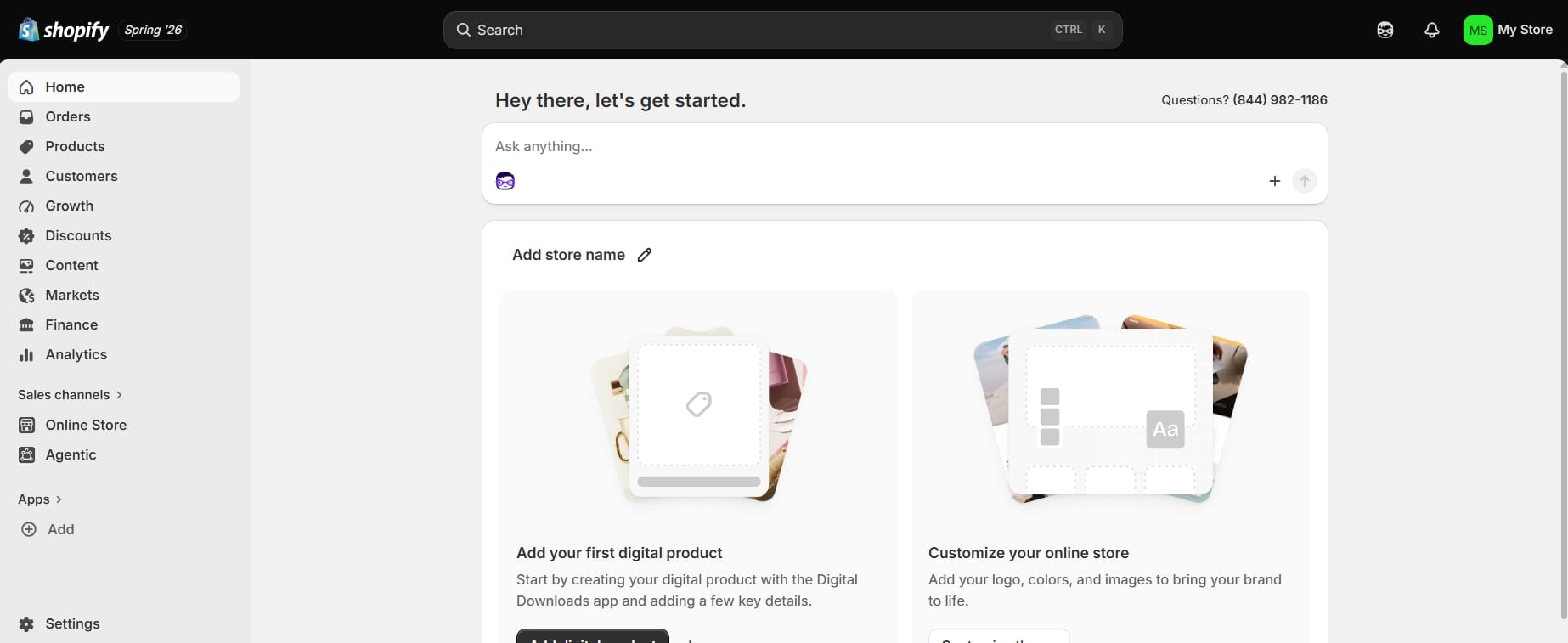
When most people think about ecommerce software, Shopify is usually the first platform that comes to mind. And honestly, its reputation exists for a reason.
Shopify is one of the strongest ecommerce ecosystems in the world. It gives you enormous control over your customer journey.
And it's also very affordable. You get a 3-day free trial, then you're charged $1/month for your first three months before you start paying.
3. Payhip
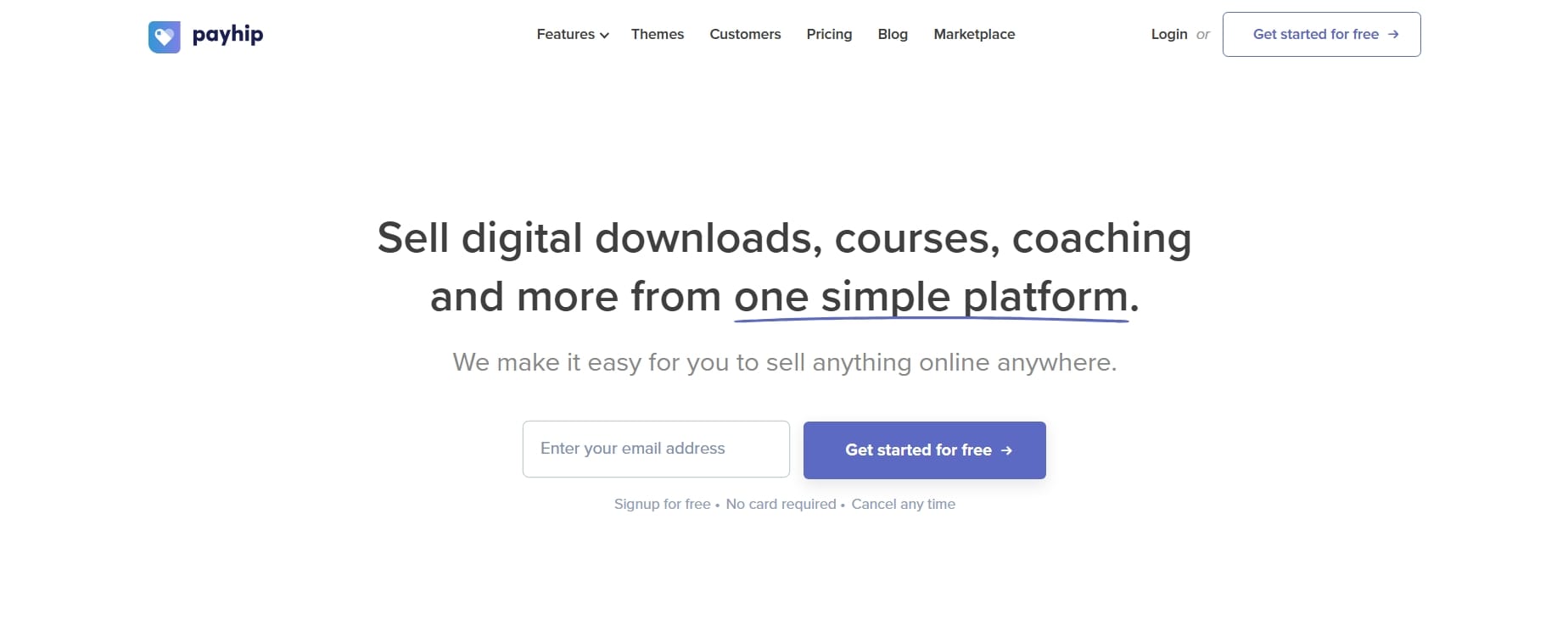
Payhip is also a very good ecommerce software. It's great if you don't have money to invest in platform fees.
Payhip offers a forever free plan that gives you access to all of their features. You can sell ebooks, courses, coaching, memberships and physical products, they only take a 5% fee (Stripe and PayPal fee not included) on every sale you make. Their store builder is also very easy to use.
A disadvantage of Payhip is that their store themes are not so beautiful and your customers receives emails with Payhip name and domain not from your Brand name and domain. If you don't mind, then it should be fine.
4. WooCommerce
If you already have blog on WordPress, WooCommerce is the best ecommerce plugin for selling both digital and physical products.
You get full control over your storefront design, checkout experiences. And you control how products are displayed.
The cons of using WooCommerce, however, is complexity. There are more settings to manage, more moving parts to understand, and more technical decisions to make.
5. Kit
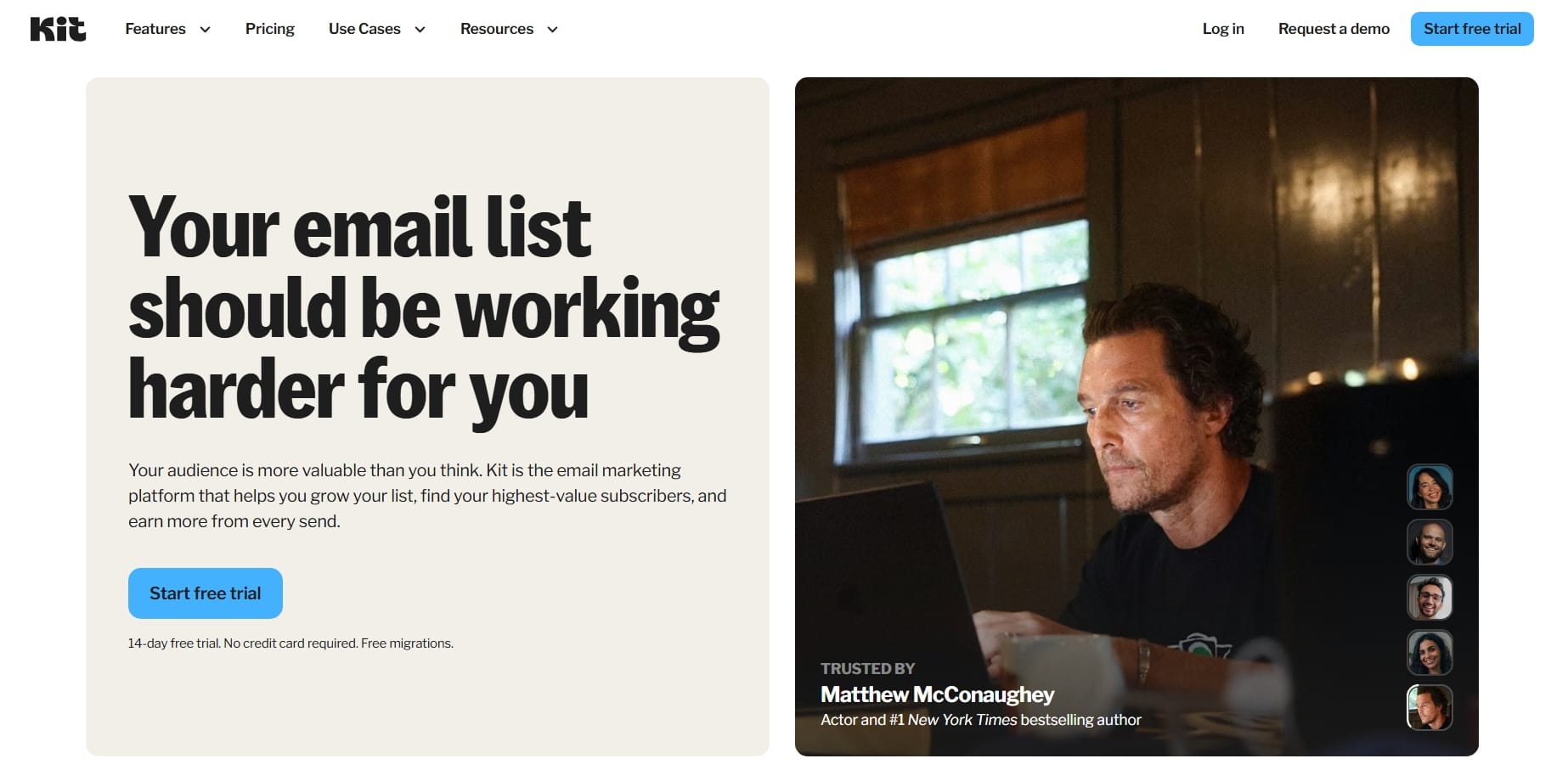
Kit is an email marketing tool, but it allows bloggers and creators to monetize their audience beyond audience relationships.
You can sell digital downloads, premium templates and run paid newsletter even on their free plan. Their free plan also supports up to 10,000 subscribers with one email sequence and other free automation tools.
I particularly like how naturally Kit fits into blogging.
- Someone reads your blog post.
- They subscribe to your newsletter.
- You nurture the relationship gradually.
- Then eventually they become customers.
6. Beehiiv
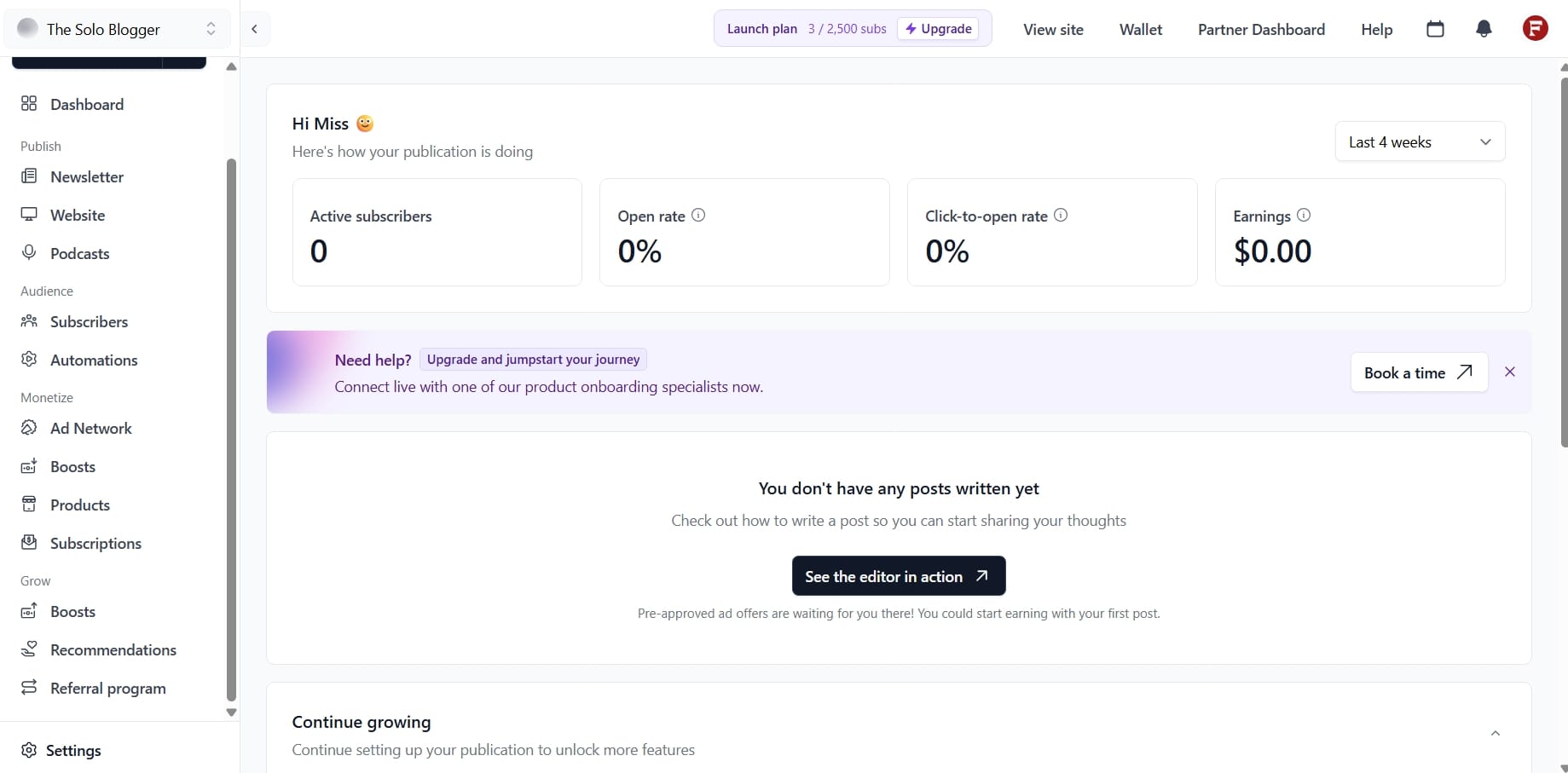
If you're yet to start your blog and you want one platform that covers web hosting, newsletter, powerful SEO, beautiful themes, advanced web and email analytics, powerful automation, podcasts and powerful growth and monetization features.
Beehiiv will actively help you grow your audience through recommendation systems, referral systems, sponsorship opportunities, boosts and ad network.
You can also sell digital products like ebooks, printables, guides, workbook, appointments and subscriptions.
Get 20% your first 3 months on Beehiiv plus free trial.
7. Systeme
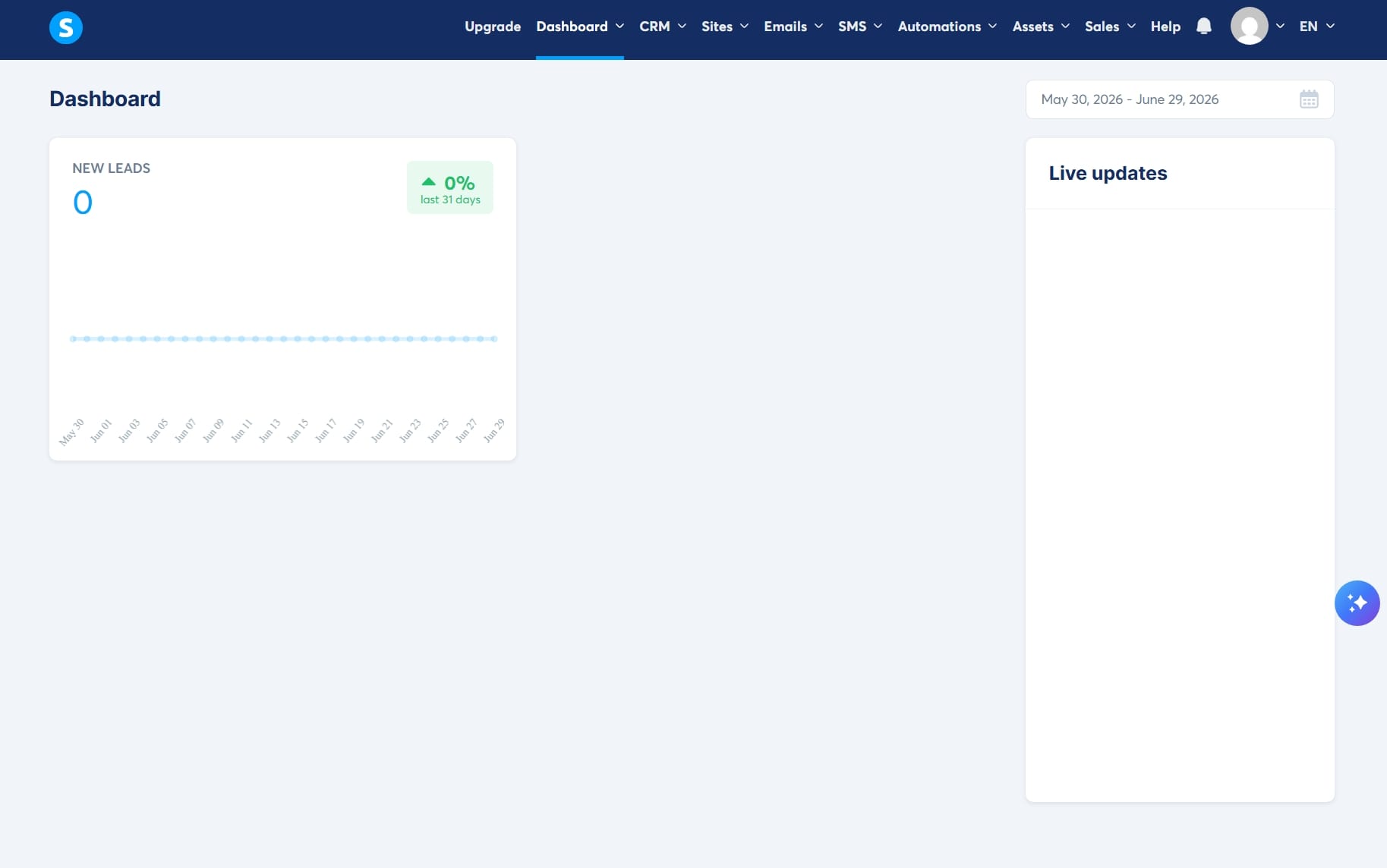
Systeme covers course hosting, landing pages, checkout systems, email automation, membership systems, and affiliate management inside one platform.
If you want an affordable platform capable of handling multiple responsibilities, Systeme is a very attractive option.
The only downside about System is that the user dashboard is not visually appealing and a bit confusing at least to me. Their web builder and funnel builder is also a bit complicated, and beginners may find it hard navigating through the platform.
8. ClickFunnels
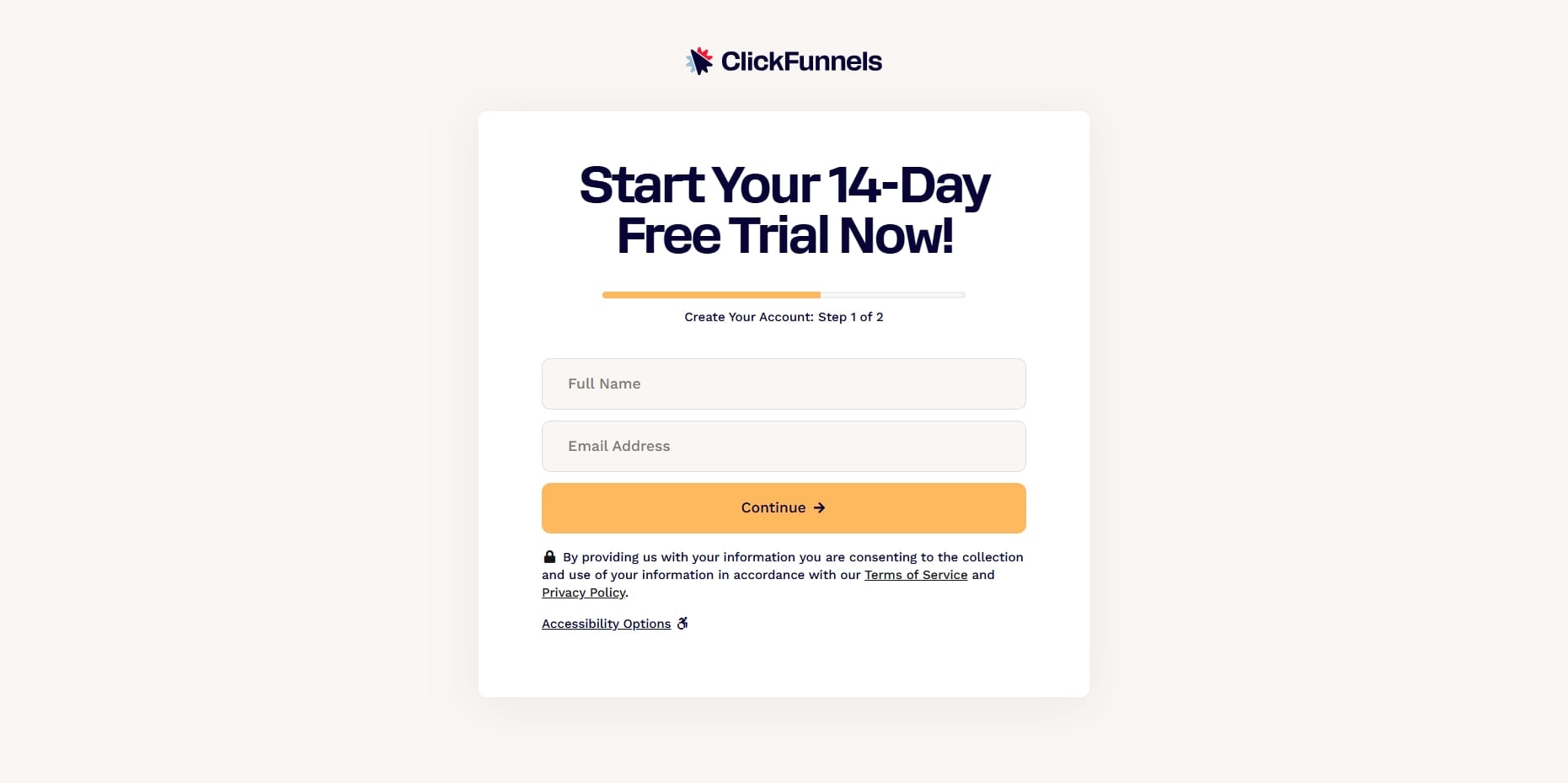
Most ecommerce software helps you sell products, ClickFunnels focuses heavily on maximizing the chances that visitors actually buy.
ClickFunnels is extremely popular among creators selling high-ticket offers, premium courses, webinars, coaching programs, and educational products where customer value is significantly higher.
I usually tell people not to think of ClickFunnels as a simple store builder. It is more like a sales machine designed to guide visitors through carefully structured buying journeys.
The downside, of course, is cost. It is not really a platform I would recommend to beginners. But if your business depends heavily on advanced funnels and optimized customer journeys, ClickFunnels becomes incredibly powerful especially when every customer represents substantial revenue.
9. GetResponse
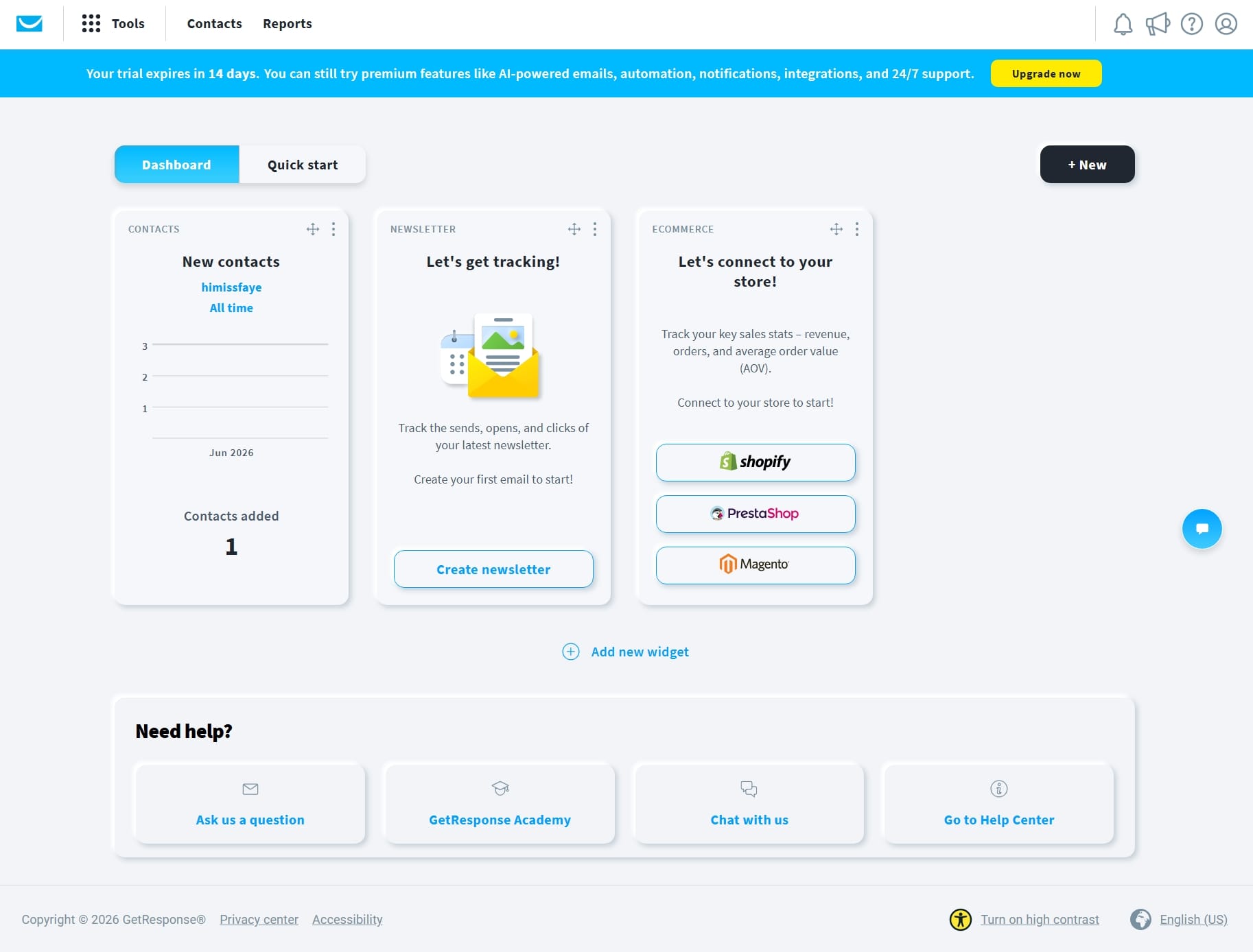
If you plan to monetize your blog through teaching, coaching, workshops, or premium knowledge products, GetResponse offers quite a lot for you.
GetResponse is also an email marketing software like Kit and Beehiiv. It's also very powerful and supports paid content subscription, webinars, courses and paid ads.
You can create beautiful website and landing pages using GetResponse as well as powerful conversion funnels.
10. Passion
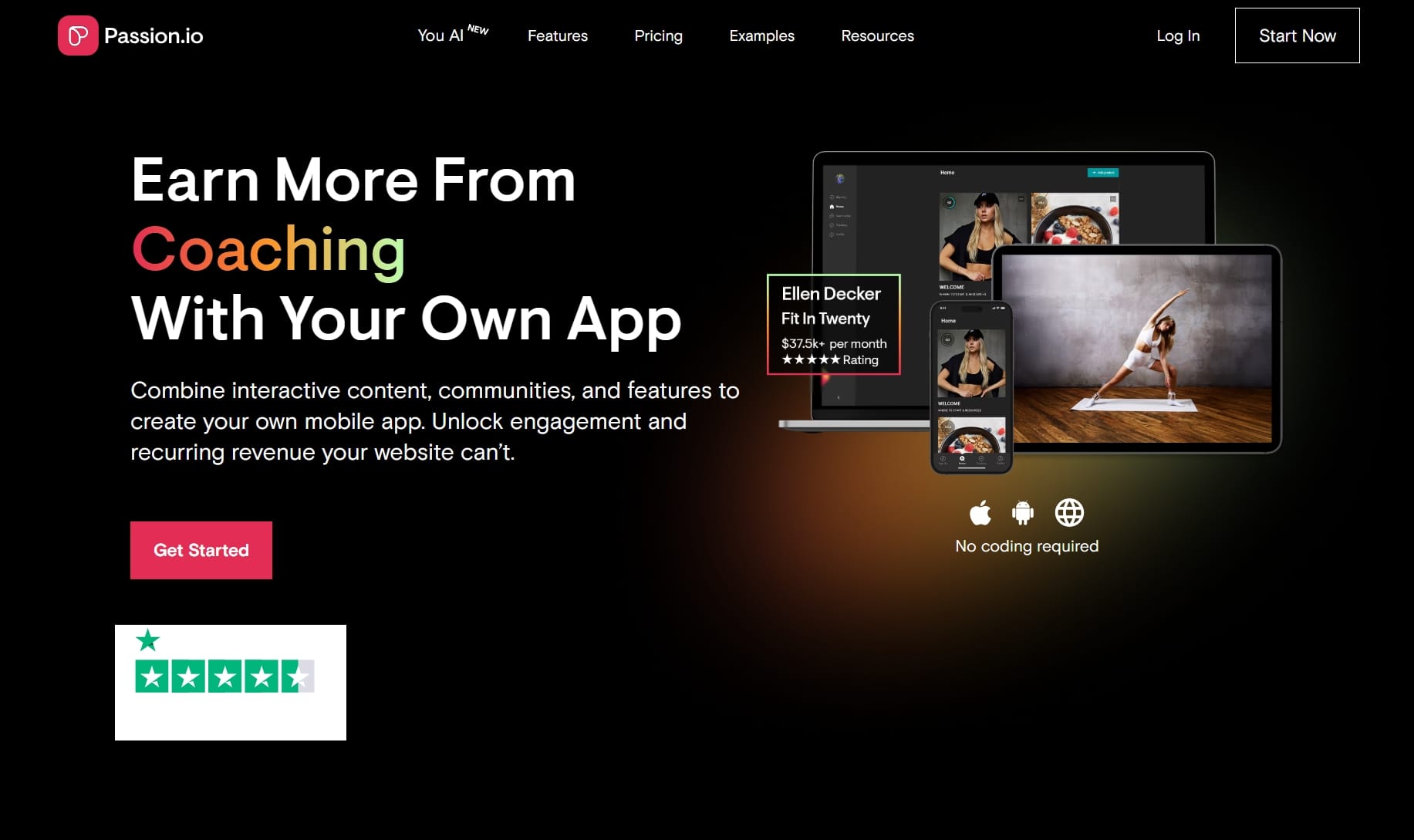
With the rise of no-code platforms, you are no longer limited to courses, and downloadable products. If you're interested in packaging your expertise into your own app, Passion will help you do that.
Passion allows creators to build app-based businesses without needing any bit of coding knowledge. So instead of selling a static PDF or recorded course, you can build an interactive products people engage with daily.
Imagine building habit tracking apps, coaching apps, educational apps, subscription apps, fitness apps, or community-based products directly around your expertise.
Passion may not fit everyone, but it opens possibilities many bloggers do not usually consider.
Which Ecommerce Platform Should You Actually Choose?
The truth is that the perfect platform does not exist. The right platform depends entirely on the kind of business you want to build.
- If your focus is digital products and simplicity, then choose Sellfy.
- If you are building a serious ecommerce brand, Shopify remains extremely difficult to beat.
- If your business depends heavily on audience relationships, Beehiiv is very powerful.
- If education, webinars, and courses are central to your strategy, GetResponse and ClickFunnels are hardly beatable.
- And if your long-term vision involves building app-based businesses, Passion is very great.
The platform you choose should always serve the business and never build the business around the platform.
One of the biggest changes happening in blogging right now is that blogs are no longer simply content websites.
They are becoming business engines.
- A blog today can become a store.
- A membership platform.
- A course business.
- A software company.
- A newsletter business.
- A consulting brand.
- An ecommerce brand.
And this is exactly why choosing the right tools matters so much.
You won't most likely make the most money from your blog solely from ads and affiliate marketing. The richest people in this world sell something valuable to the right audience.
So, build products around the audience you already own.
Frequently Asked Questions
Do I need a large audience before selling products on my blog?
Not necessarily, and this is one of the biggest misconceptions many bloggers have.
A smaller audience that trusts you can often outperform a larger audience with weak engagement. If you are solving a specific problem and your readers find your content genuinely helpful, you can begin selling products much earlier than most people think.
In many cases, even a few hundred loyal readers can generate your first sales.
Should bloggers choose an all-in-one ecommerce platform or combine multiple specialized tools?
This usually depends on how you prefer running your business. All-in-one platforms can reduce complexity because everything sits under one dashboard.
However, specialized tools often perform better in their specific category. For example, pairing Kit for email marketing with Sellfy for digital products may provide more flexibility than relying on one platform trying to do everything.
What happens if I outgrow the ecommerce platform I initially choose?
This happens more often than people expect.
Switching ecommerce platform is possible but also hectic and time consuming that's why it's very important to choose the right tool from start.
Is it better to sell directly on my blog or use a separate ecommerce storefront?
In most cases, using both works best. Your blog acts as the traffic engine while your ecommerce platform handles transactions.
Selling directly through your blog creates a more seamless experience, especially when product recommendations naturally connect with the content readers are already consuming.
However, separate storefront platforms often provide stronger checkout systems, better product management, and cleaner customer experiences.
How important are transaction fees when choosing an ecommerce platform?
Fees matter, but they should rarely be the first factor when making a decision.
A platform charging slightly higher fees but converting customers better can often outperform a cheaper platform that doesn't. Always look beyond pricing alone.
Should I prioritize affiliate marketing first or build my own products immediately?
There is no universal answer, but I generally think affiliate marketing helps creators understand audience behavior before building products themselves.
By promoting other tools first, you begin learning what people click, what problems they care about, and what solutions they actively spend money on.
This insight becomes incredibly valuable later when creating products of your own because you are building around proven demand rather than assumptions.
What is the biggest mistake bloggers make when choosing ecommerce software?
The biggest mistake is choosing software based on popularity instead of business model.
Don't jump toward platforms simply because other bloggers recommend them without asking whether the tool actually fits your own business.
A blogger selling a simple ebook has completely different needs from another building a physical ecommerce brand or a premium course business.
The platform should always support the business you are building, not the other way around.