No-Code Directory Website Builders with Built-In Blog
Want to build a directory website and publish content from the same platform? Explore the options available, what to look for, and how to choose a builder that fits your directory idea.
If you want to build a directory website with a blog, choosing the right platform can save you a lot of work.
A directory isn't just a collection of listings anymore. Many successful directory sites also use blog content to attract Google traffic, educate visitors, promote listings, and build an audience around a specific niche.
Below, I've put together a list of directory website builders worth considering, including dedicated directory platforms and more flexible website builders that can be used to create directory-style websites.
Best Directory Website Builders
The best choice depends on whether your priority is the directory itself, blogging and SEO, design flexibility, monetization, or how quickly you want to get your site online.
1. Directify
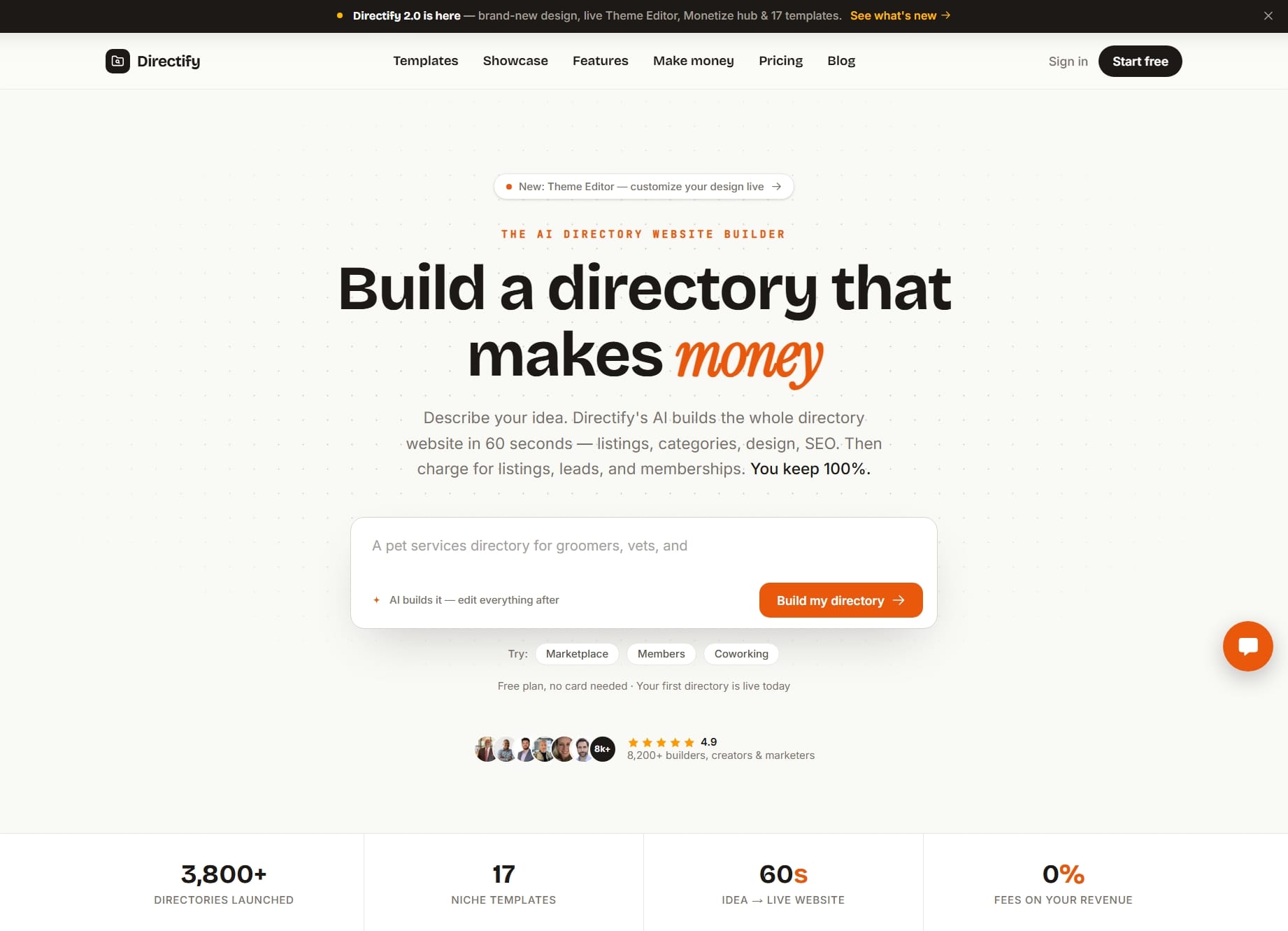
Directify is built around the idea of creating directory websites without having to build the entire system from scratch.
It's particularly interesting if your goal is to combine a directory homepage with useful content and a blog rather than creating a basic listing database.
You can use a directory to organize businesses, products, services, resources, tools, locations, or other types of listings, while your blog gives you another way to attract visitors through search.
2. Listable
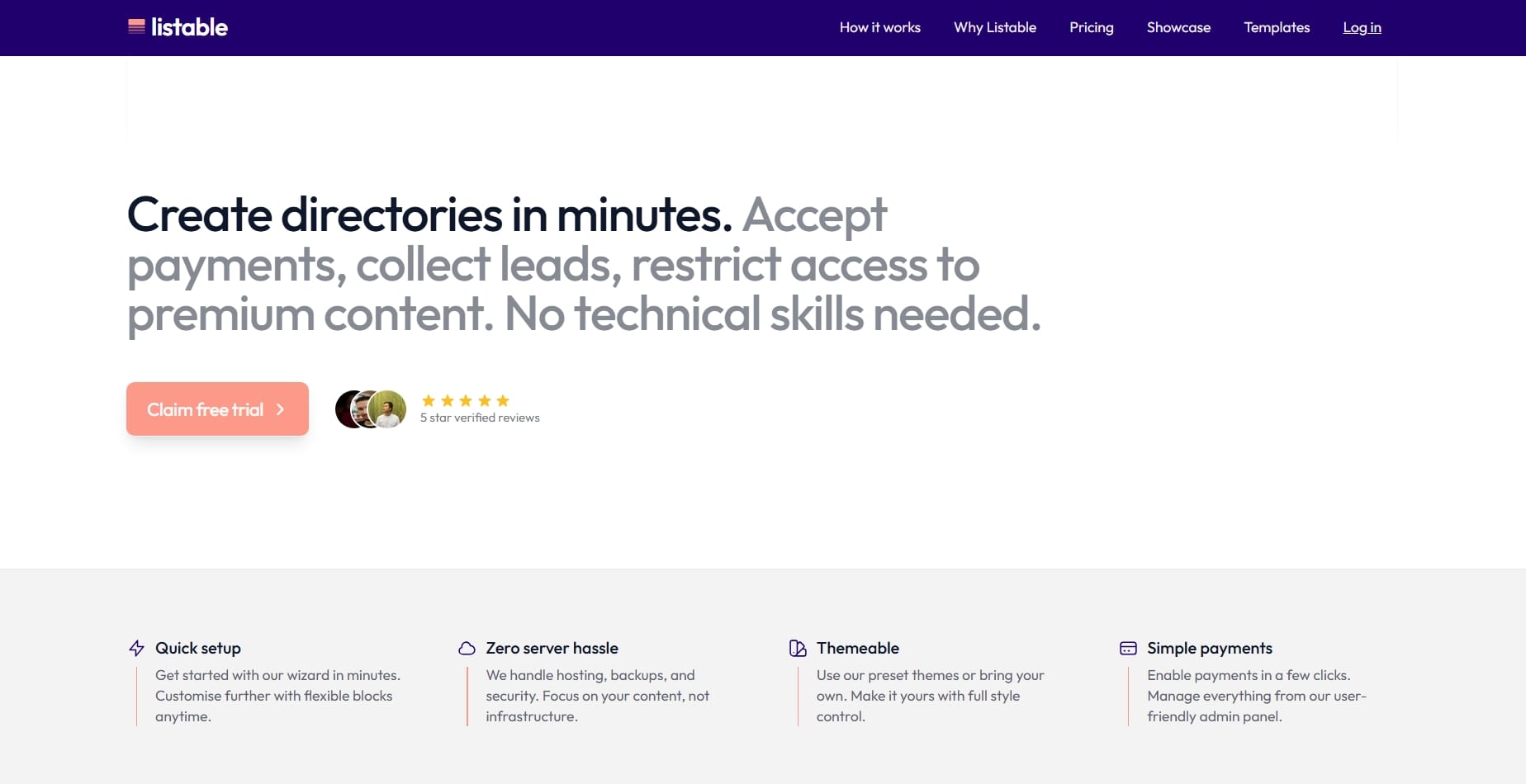
Listable is designed around websites where listings are the main attraction.
That makes it worth considering for projects such as local business directories, service directories, resource websites, job-style listings, and other websites where visitors need to browse or discover entries.
A blog can add another layer to the website by allowing you to publish guides, industry content, reviews, interviews, and other useful articles.
3. DirectoryEasy
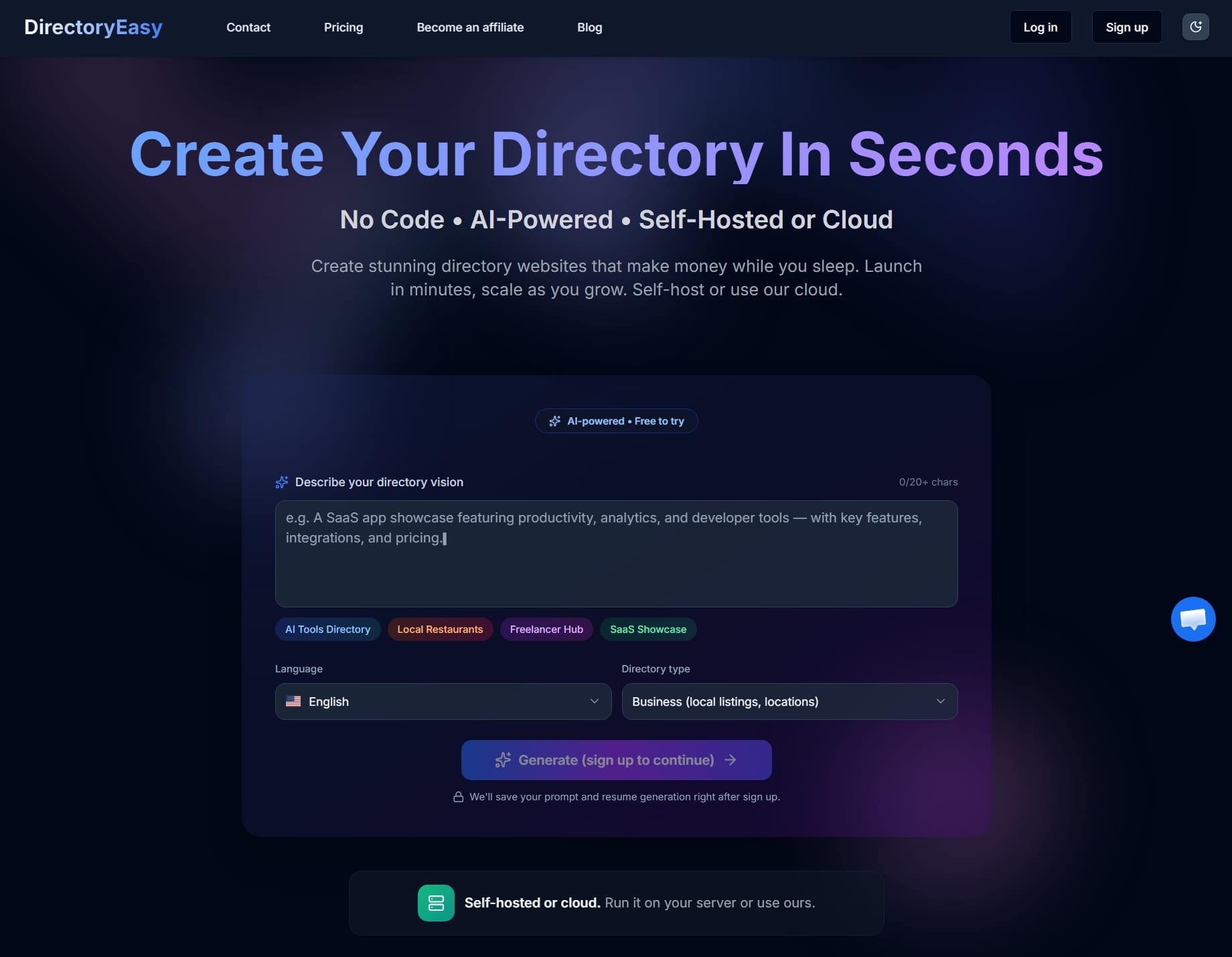
DirectoryEasy is another option for creating directory websites without developing the entire platform yourself.
The concept is straightforward: create a website where visitors can discover businesses, services, organizations, products, or other listings in a structured format.
For a directory owner, having content alongside listings can be particularly useful. Your blog can cover topics related to the businesses or resources in your directory and create additional entry points from search engines.
4. MakeADir
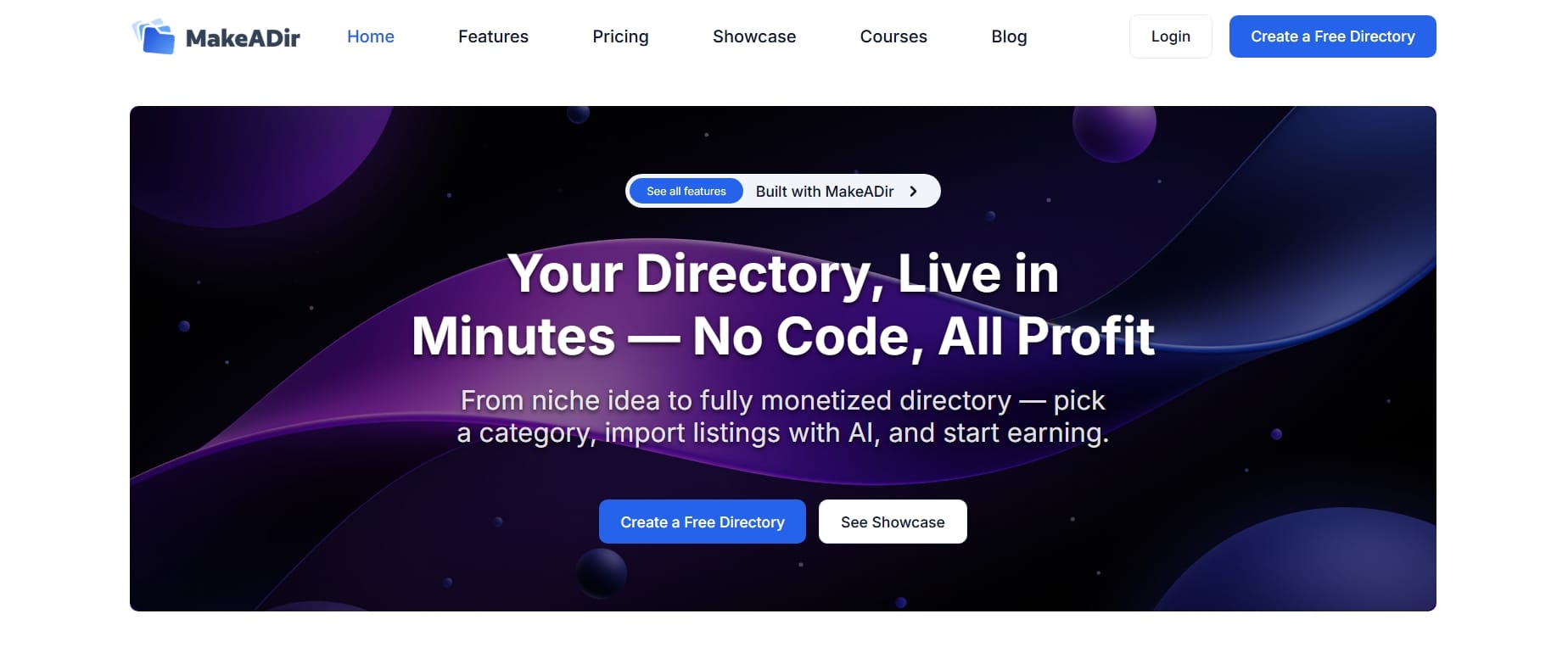
MakeADir focuses specifically on helping users create directory websites.
Instead of trying to turn a normal blogging platform into a directory, you get a platform designed around the directory use case.
That can make sense if your main product is the directory itself and the blog is there to support it with additional content.
You could use blog posts to cover your niche, highlight listings, publish resources, answer common questions, or target informational search queries.
5. Unicorn Platform
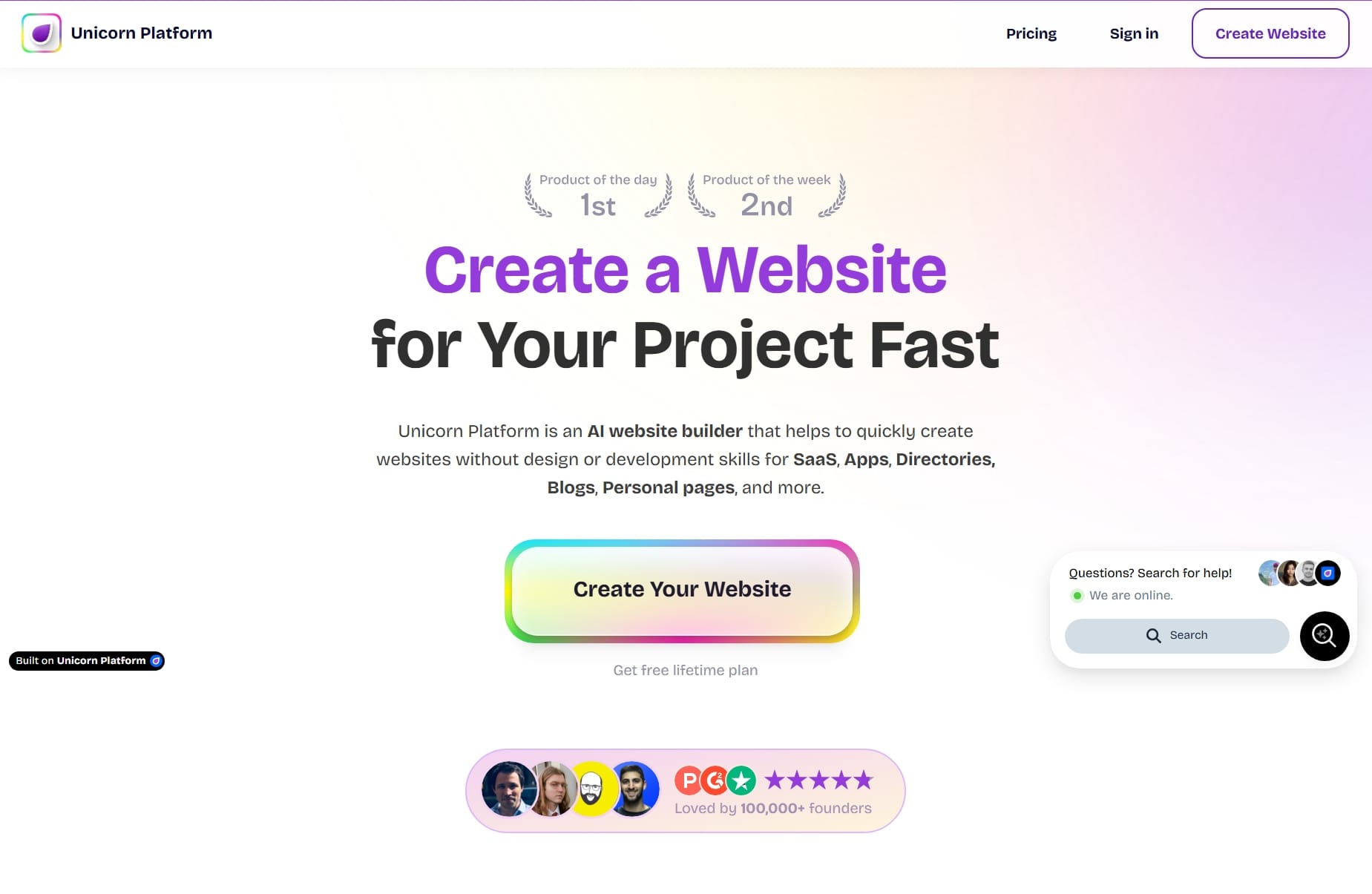
Unicorn Platform is a no-code website builder that can be useful for simpler directory projects and content-driven websites.
It's not solely a directory platform, which can actually be an advantage for certain projects. If your directory needs more of a landing-page or startup-style presentation, a flexible website builder can give you more freedom over how the site is presented.
You can also use content to support the directory and target additional search terms.
6. Ycode
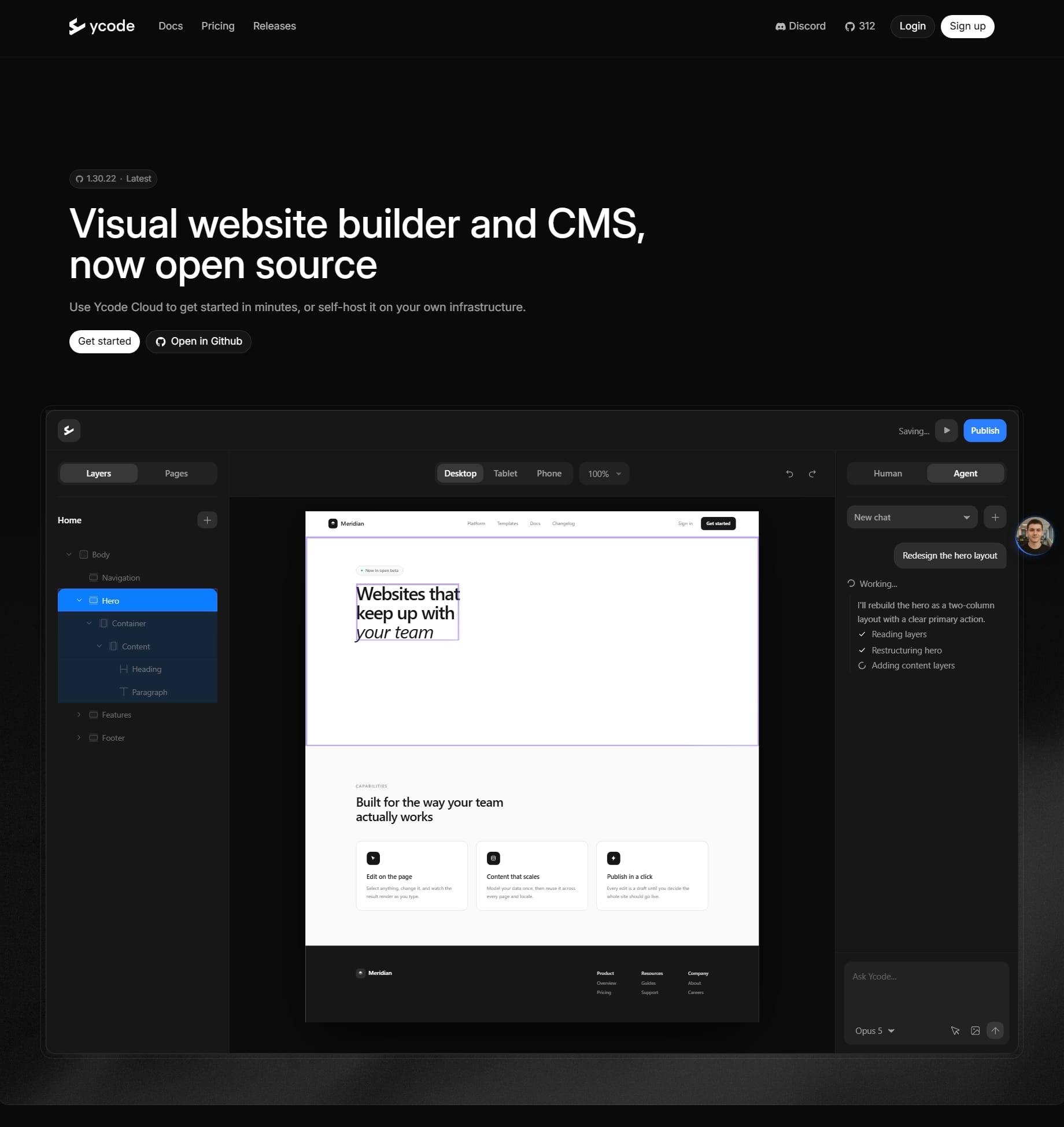
Ycode is a visual no-code website builder that gives you more control over the design and structure of a website.
This makes it interesting if you're building a directory where design and branding matter as much as the listings.
Rather than being limited to a traditional directory layout, you can create a more customized website experience around your directory content.
A blog can then be used as part of the overall content strategy.
7. SpreadSimple
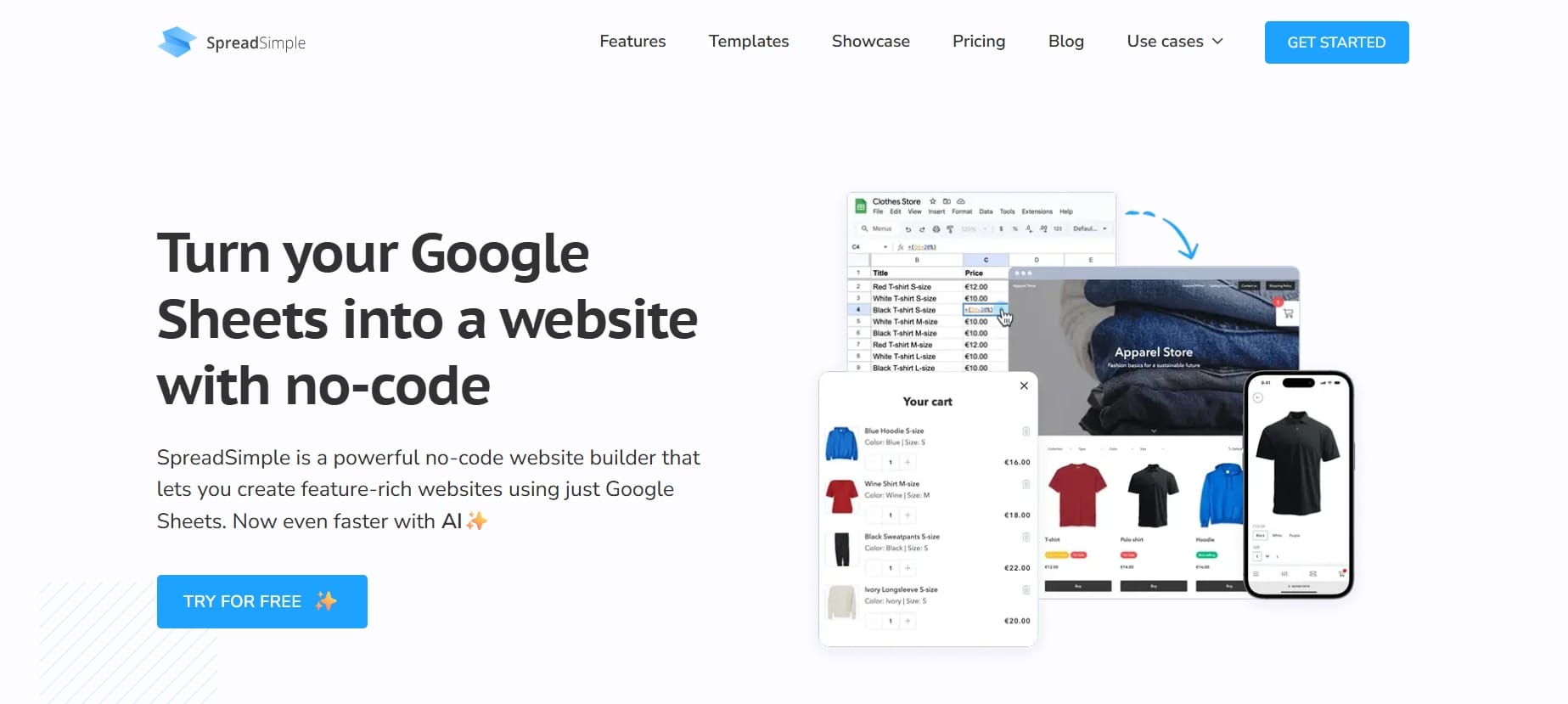
SpreadSimple takes a different approach to building websites.
The platform can turn Google Sheets data into websites, making it particularly interesting for projects where your listings already exist in a spreadsheet.
For example, you could maintain information about businesses, products, tools, services, or resources in a spreadsheet and use that data to power your website.
That approach can be useful when your directory contains a large amount of structured information that needs regular updating.
8. Dorik
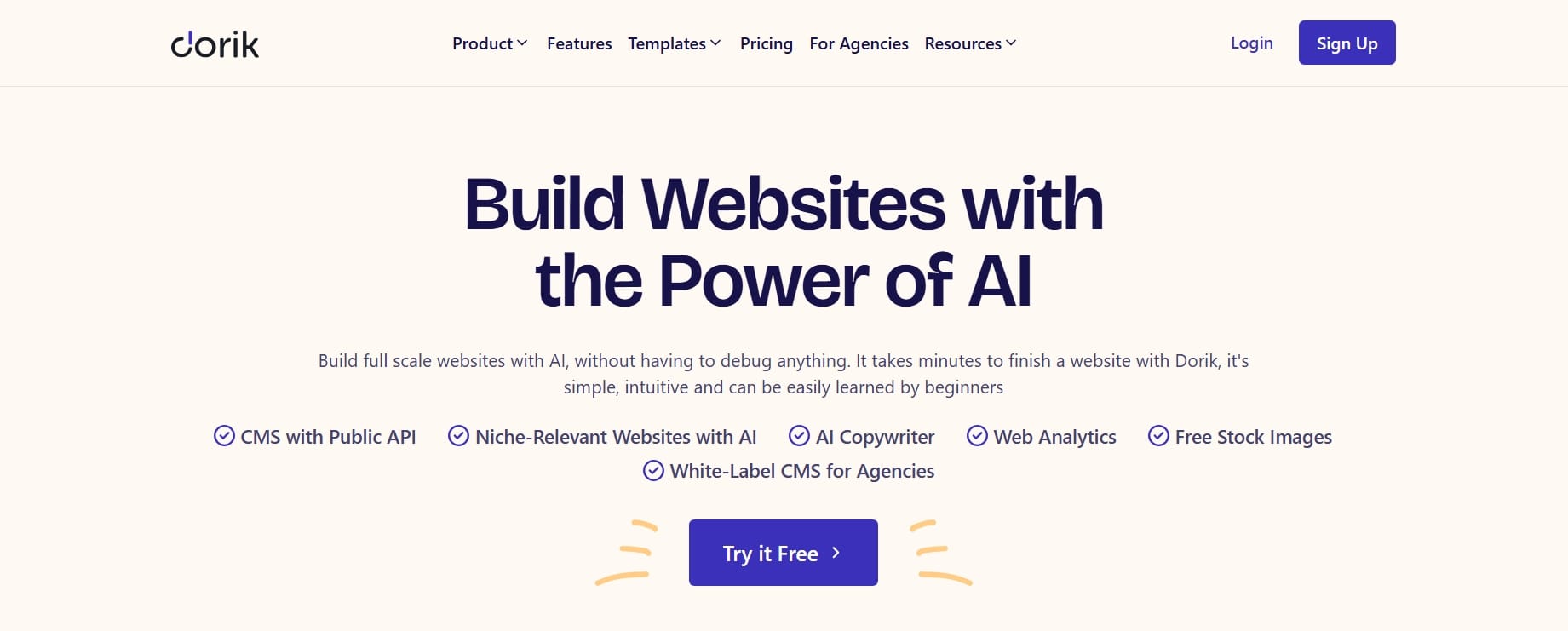
Dorik is a no-code website builder that can be used for websites, landing pages, blogs, and other online projects.
Because it isn't limited to one specific website format, you can use it to create a more traditional website around your directory.
This can be useful if you want your directory to have multiple content sections rather than simply displaying a list of businesses or resources.
For example, your website could have a homepage, directory, individual listing pages, blog, about page, contact page, and other supporting content.
Why Build a Directory Website With a Blog?
A directory and a blog work extremely well together. Your directory provides the structured content, while your blog gives you room to publish articles that attract people who aren't necessarily searching for a directory yet.
For example, imagine you create a directory of marketing tools. Your directory could contain:
- SEO tools
- Email marketing platforms
- Social media tools
- Analytics software
- Content tools
Your blog could then publish articles such as:
- Best SEO Tools for Small Businesses
- How to Choose an Email Marketing Platform
- Free Marketing Tools Worth Trying
- SEO Tools for Bloggers
- Marketing Software Comparison Guides
Those articles can introduce new visitors to your website and send interested readers into your directory.
What to Look for in a Directory Website Builder
Not every directory website builder is built for the same purpose. Before choosing one, consider the following.
Search and Filtering
A directory with hundreds or thousands of listings needs a good discovery experience.
Visitors should be able to find what they're looking for without scrolling through endless pages.
Depending on your niche, useful features can include:
- Search
- Categories
- Locations
- Filters
- Tags
- Sorting
- Featured listings
SEO
SEO is particularly valuable for directory websites because you can potentially target both listing-related searches and informational searches.
Look for control over important elements such as page titles, meta descriptions, URLs, headings, indexing, and structured content.
Blog Features
If SEO and content marketing are part of your strategy, don't treat blogging as an afterthought.
Look for a platform that makes it easy to:
- Publish articles
- Organize posts
- Add images
- Create SEO-friendly URLs
- Edit titles and descriptions
- Link articles to directory listings
- Build internal links
Monetization
If you're building the directory as a business, check how the platform handles monetization. Great monetization models include:
- Paid listings
- Featured listings
- Sponsored placements
- Subscription plans
- Advertising
- Affiliate links
- Lead generation
The right monetization model depends heavily on the type of directory you're building.
Design Flexibility
Choose a builder that gives you enough control over the experience you want to create. You may want a modern homepage, featured listings, editorial content, category pages, landing pages, and a professional blog.
Directory Website Builders Comparison
| Feature | Directify | DirectoryEasy | Listable | MakeADir | Unicorn Platform | Ycode | SpreadSimple | Dorik |
|---|---|---|---|---|---|---|---|---|
| Directory-focused | ⭐⭐⭐⭐⭐ | ⭐⭐⭐⭐⭐ | ⭐⭐⭐⭐⭐ | ⭐⭐⭐⭐⭐ | ⭐⭐⭐☆☆ | ⭐⭐⭐☆☆ | ⭐⭐⭐⭐☆ | ⭐⭐⭐☆☆ |
| Blog/content | ⭐⭐⭐⭐⭐ | ⭐⭐⭐⭐☆ | ⭐⭐⭐⭐☆ | ⭐⭐⭐⭐☆ | ⭐⭐⭐⭐☆ | ⭐⭐⭐⭐☆ | ⭐⭐⭐⭐☆ | ⭐⭐⭐⭐⭐ |
| Design flexibility | ⭐⭐⭐⭐☆ | ⭐⭐⭐⭐☆ | ⭐⭐⭐⭐☆ | ⭐⭐⭐⭐☆ | ⭐⭐⭐⭐⭐ | ⭐⭐⭐⭐⭐ | ⭐⭐⭐⭐☆ | ⭐⭐⭐⭐⭐ |
| No-code | ✅ | ✅ | ✅ | ✅ | ✅ | ✅ | ✅ | ✅ |
| SEO potential | ⭐⭐⭐⭐⭐ | ⭐⭐⭐⭐☆ | ⭐⭐⭐⭐☆ | ⭐⭐⭐⭐☆ | ⭐⭐⭐⭐☆ | ⭐⭐⭐⭐⭐ | ⭐⭐⭐⭐☆ | ⭐⭐⭐⭐⭐ |
| Best use | Directory + blog | Directory site | Listing site | Directory site | Simple directory | Custom directory | Data-driven directory | Website + directory |
Features and platform capabilities can change over time, so check each builder's current documentation and pricing before choosing one.
What Can You Build With a Directory Website Builder?
The directory model works for far more than business listings. You could build:
- Local business directories
- SaaS directories
- AI tool directories
- Job directories
- Freelancer directories
- Agency directories
- Restaurant directories
- Hotel directories
- Real estate directories
- Event directories
- Product directories
- Resource directories
- Niche websites
- Membership directories
- Service directories
- Creator directories
- Blog and website directories
The more specific the niche, the easier it can be to build a website around a clear audience and purpose.
Before Choosing One,
Think about what you want your site to become six months or a year from now, not just what you need to launch it today.
If you want to me to pick for you, I'd advise you to build your directory using Directify.
I've personally used the platform, and what stands out to me is how well it brings together the features you'd actually want when building and growing a directory website. It includes strong SEO features, built-in blogging, and multiple monetization options, alongside the core directory functionality.
You can see the full range of features on the Directify Features page.
Another reason I recommend Directify is the ongoing work behind the platform. The owner is actively improving it and continues to add to and refine the product rather than simply leaving it as it is.